



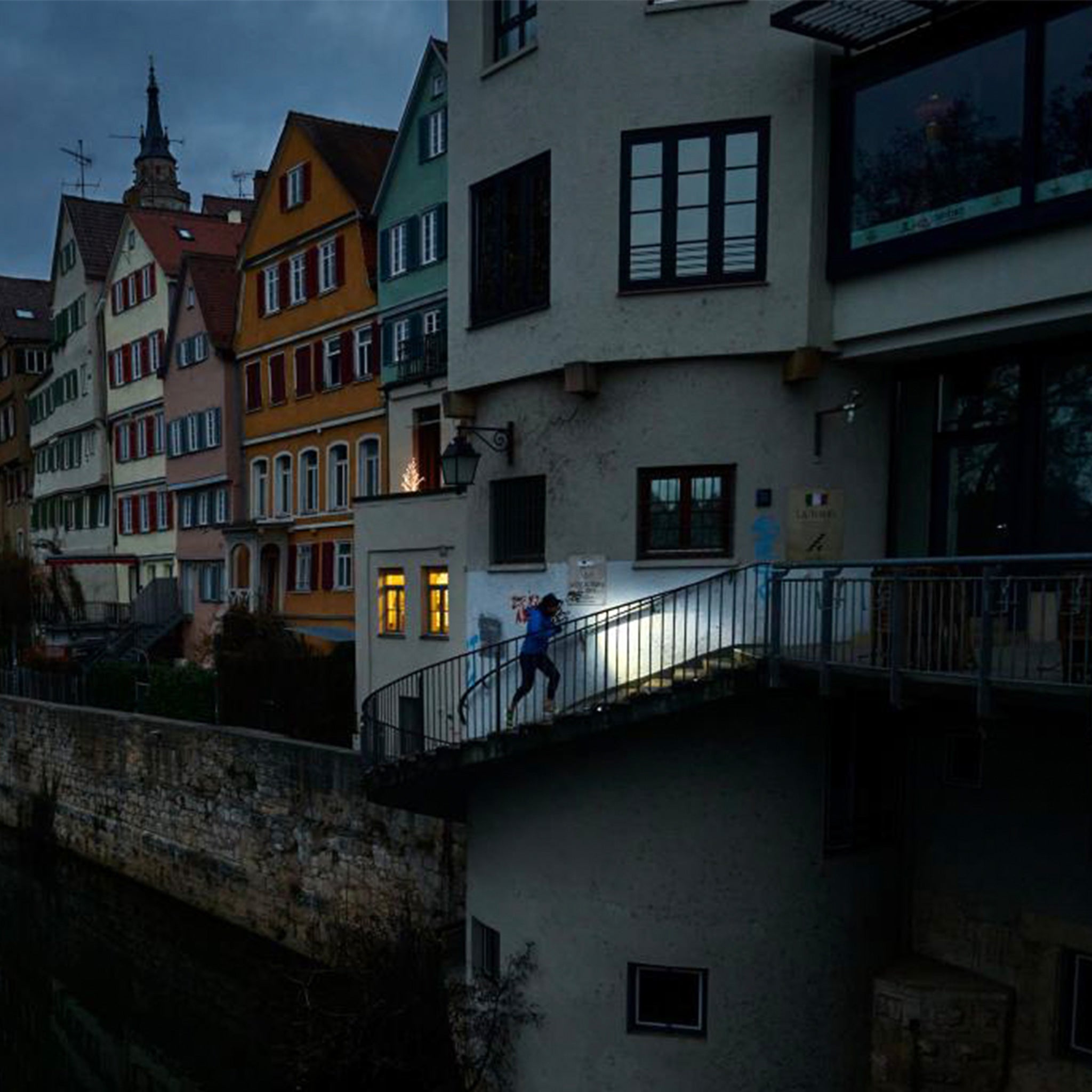
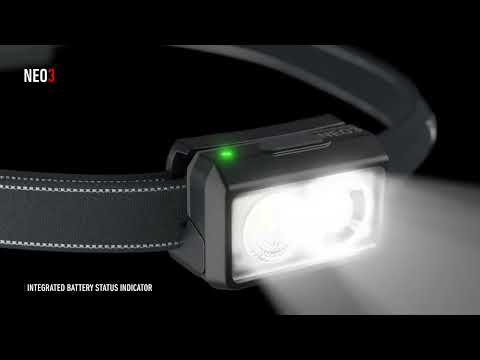
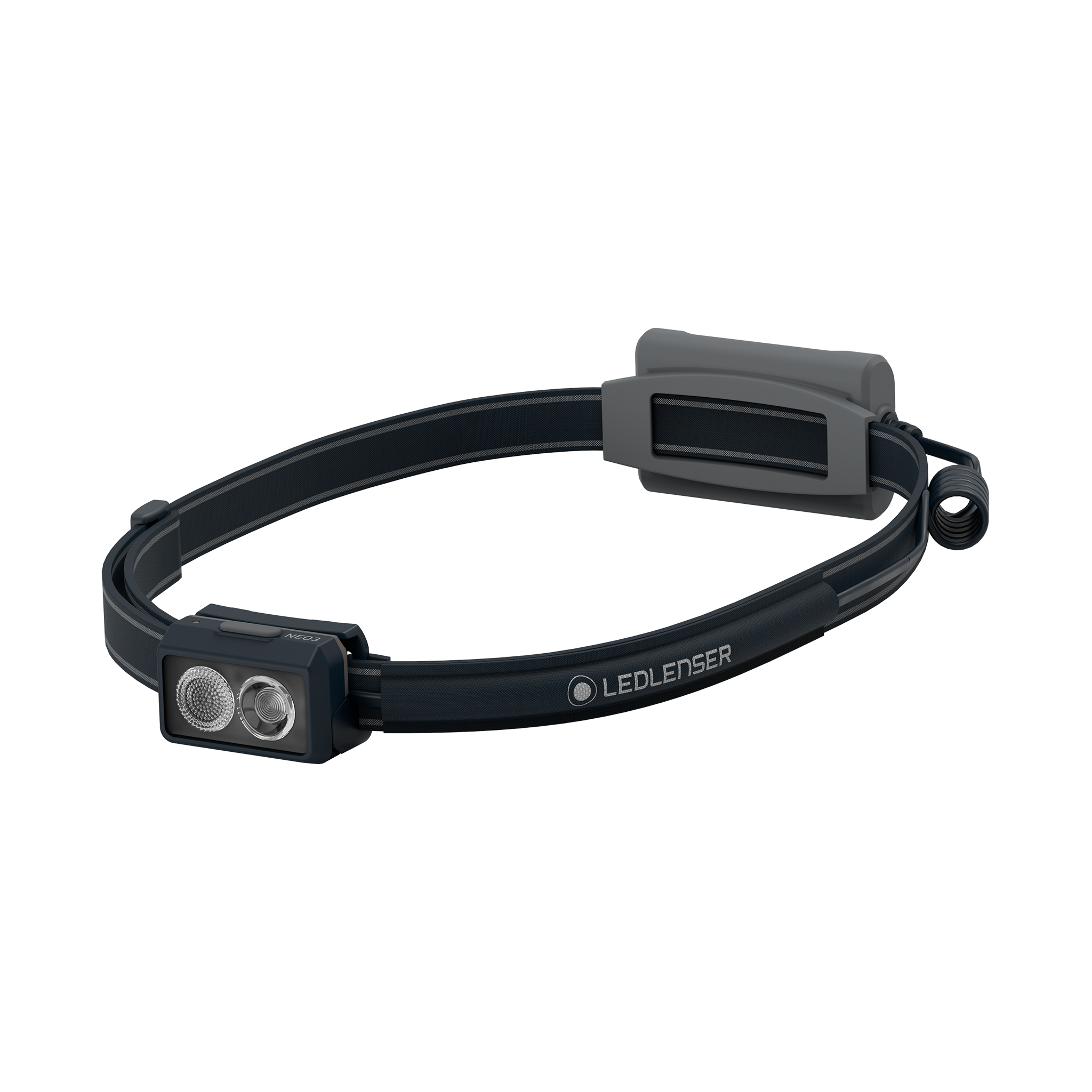
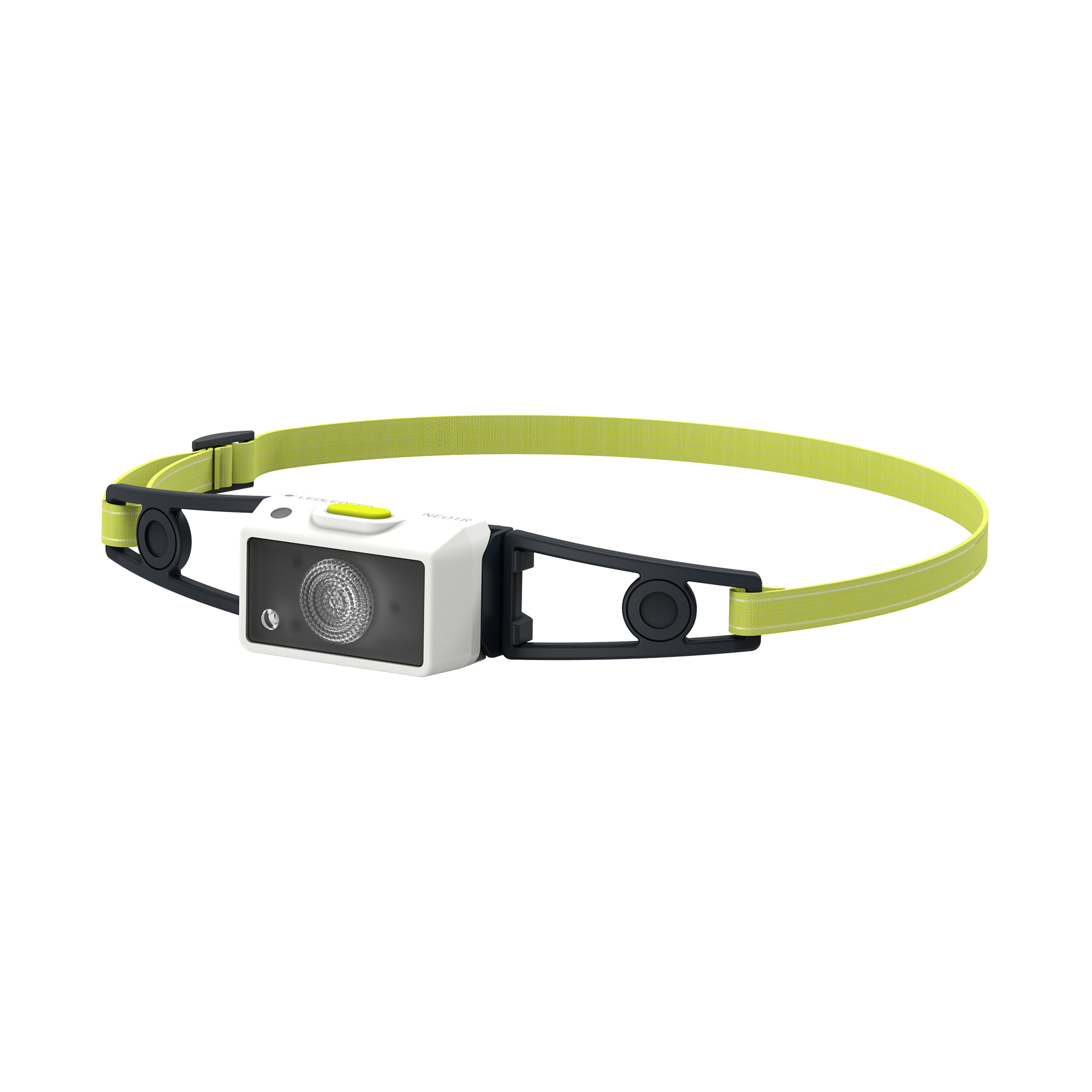
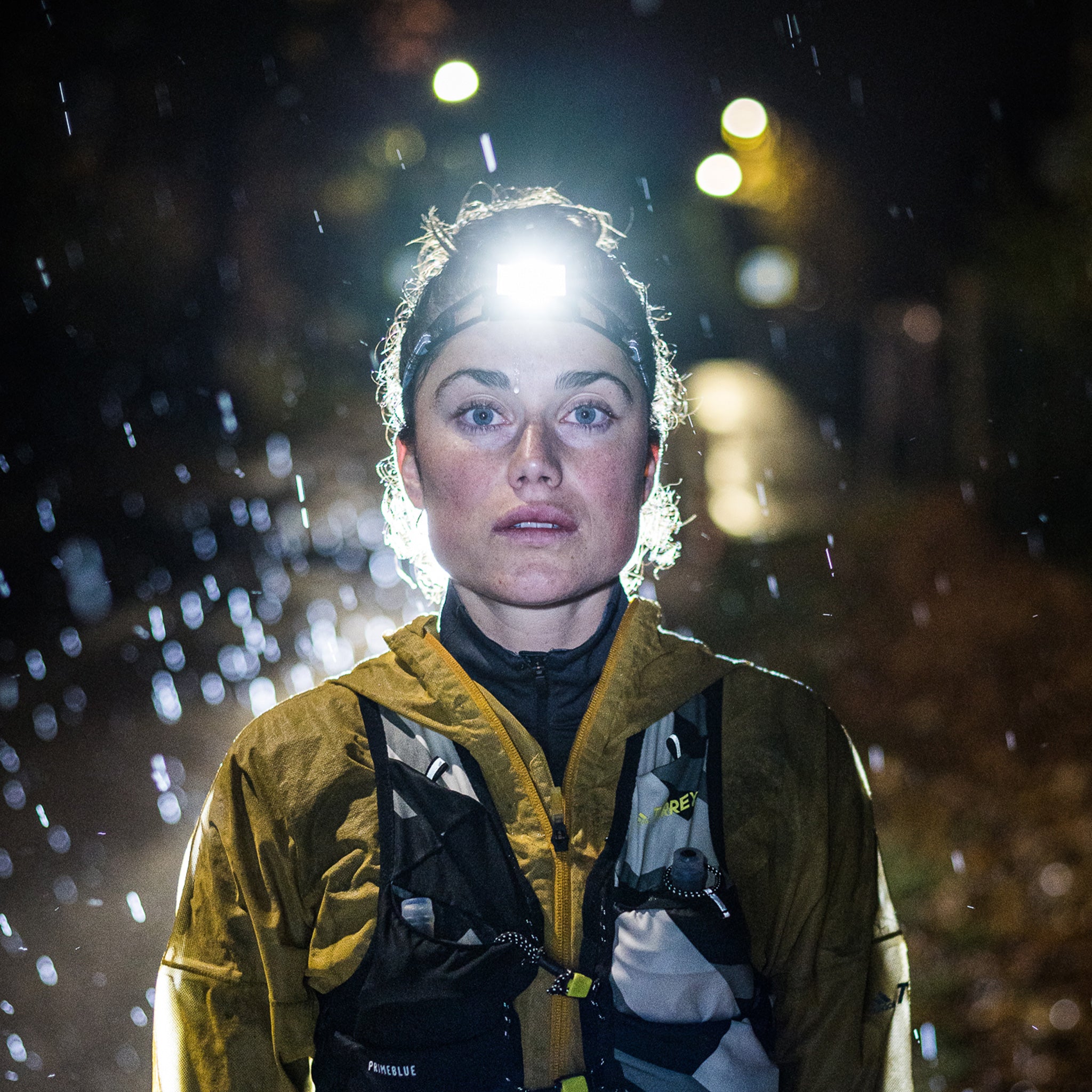
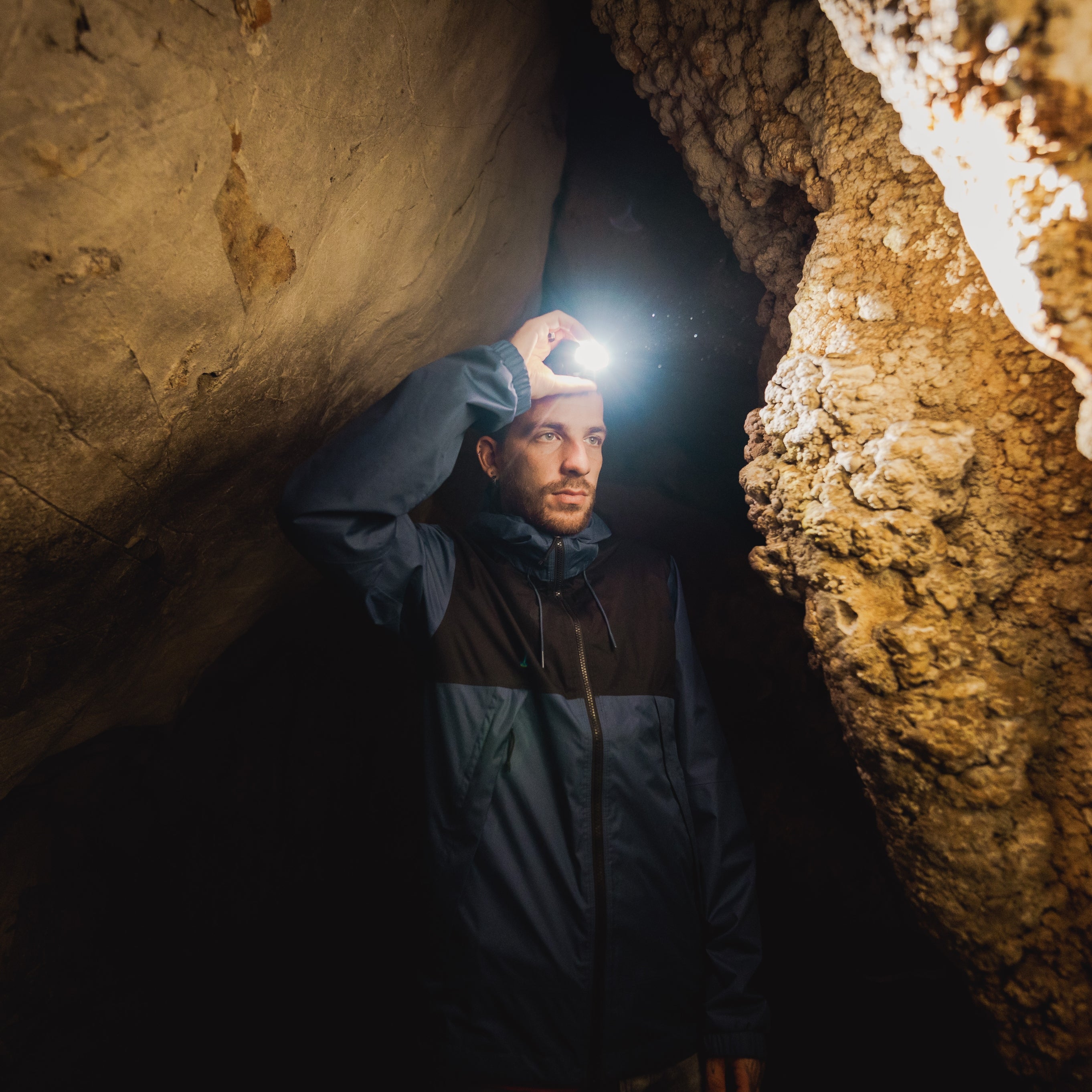
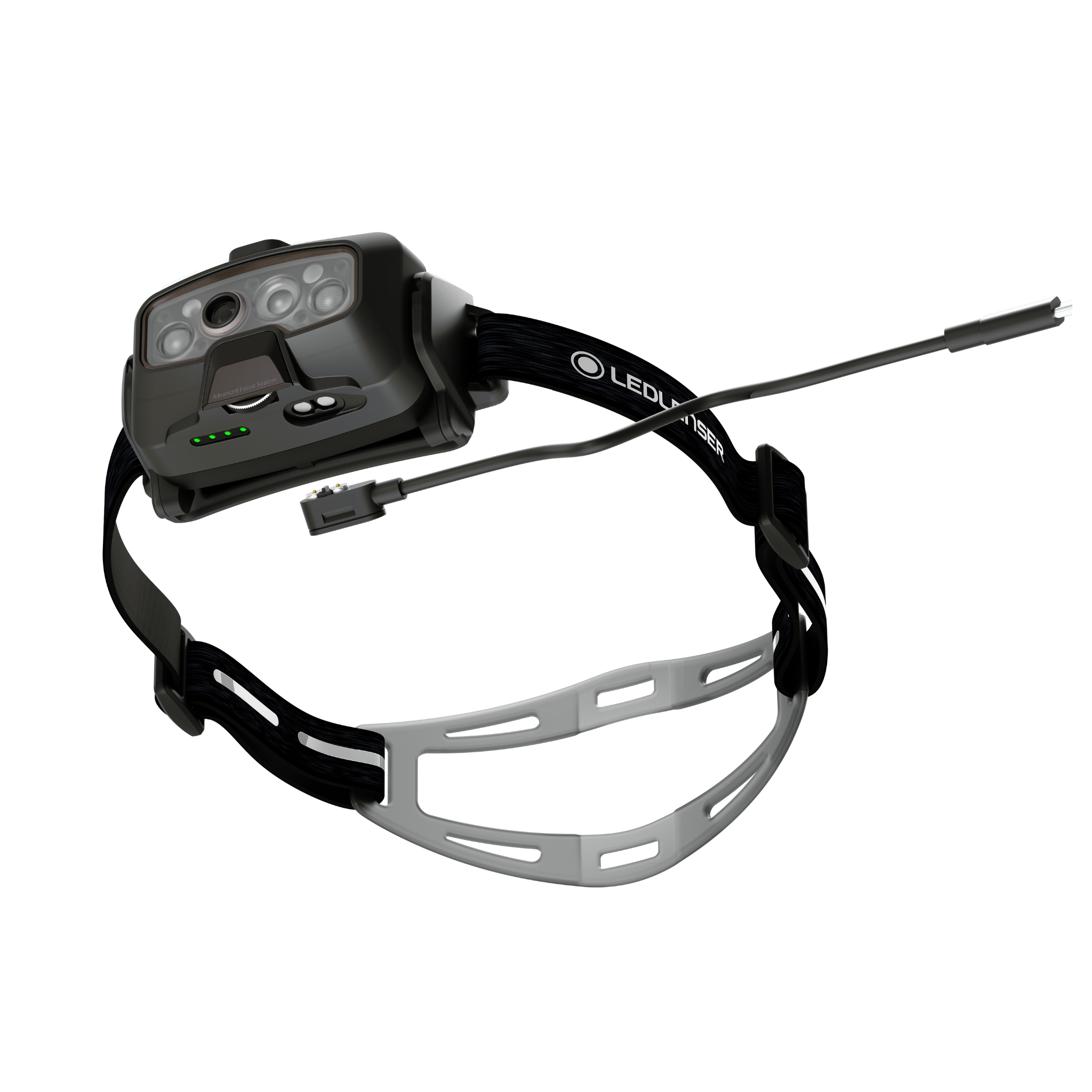
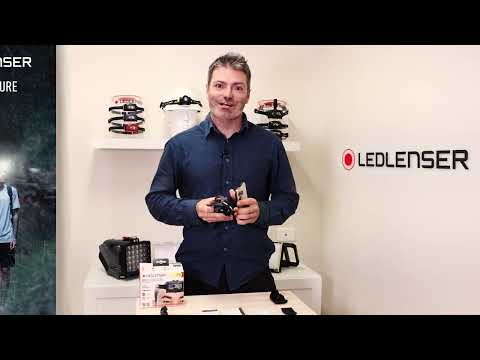
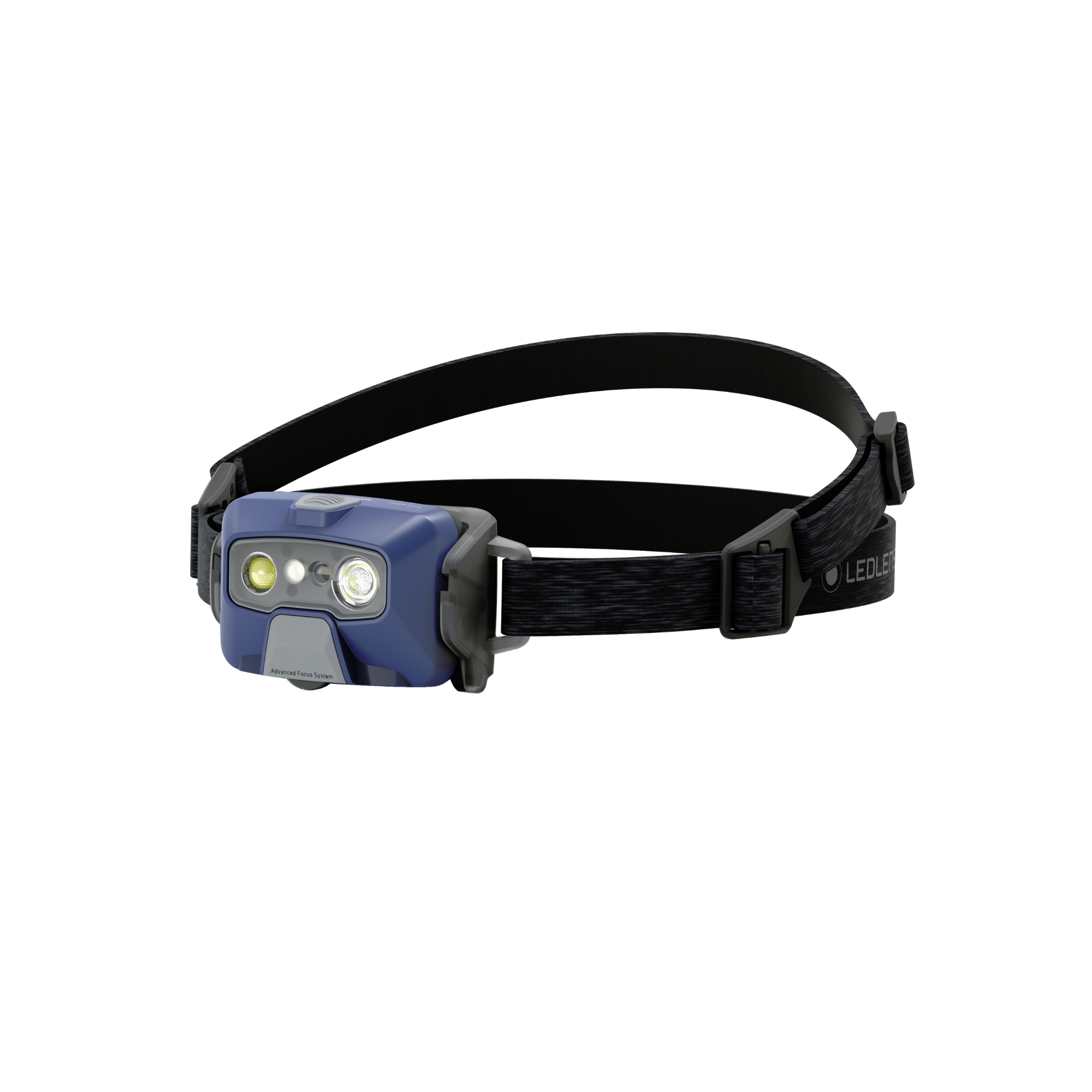
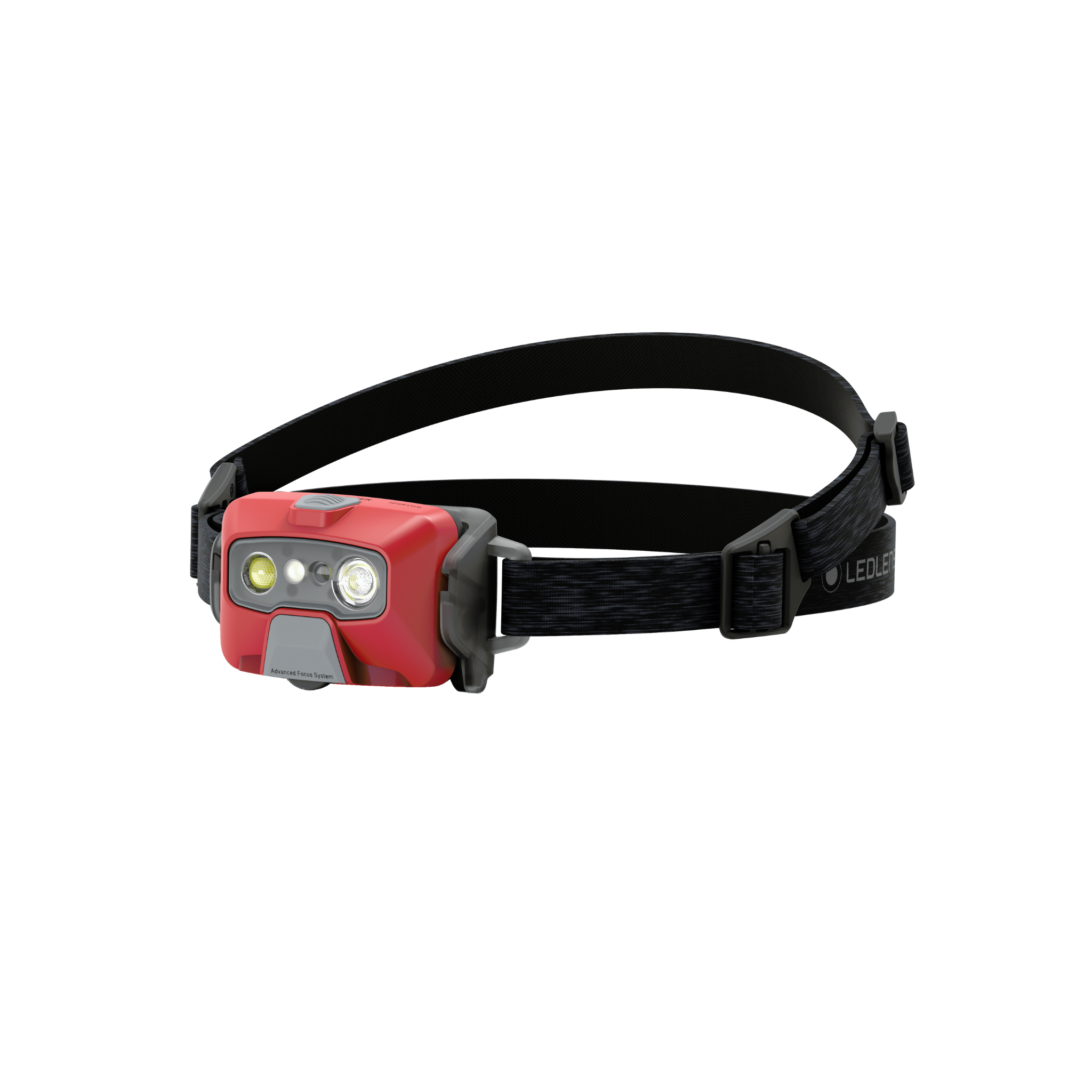
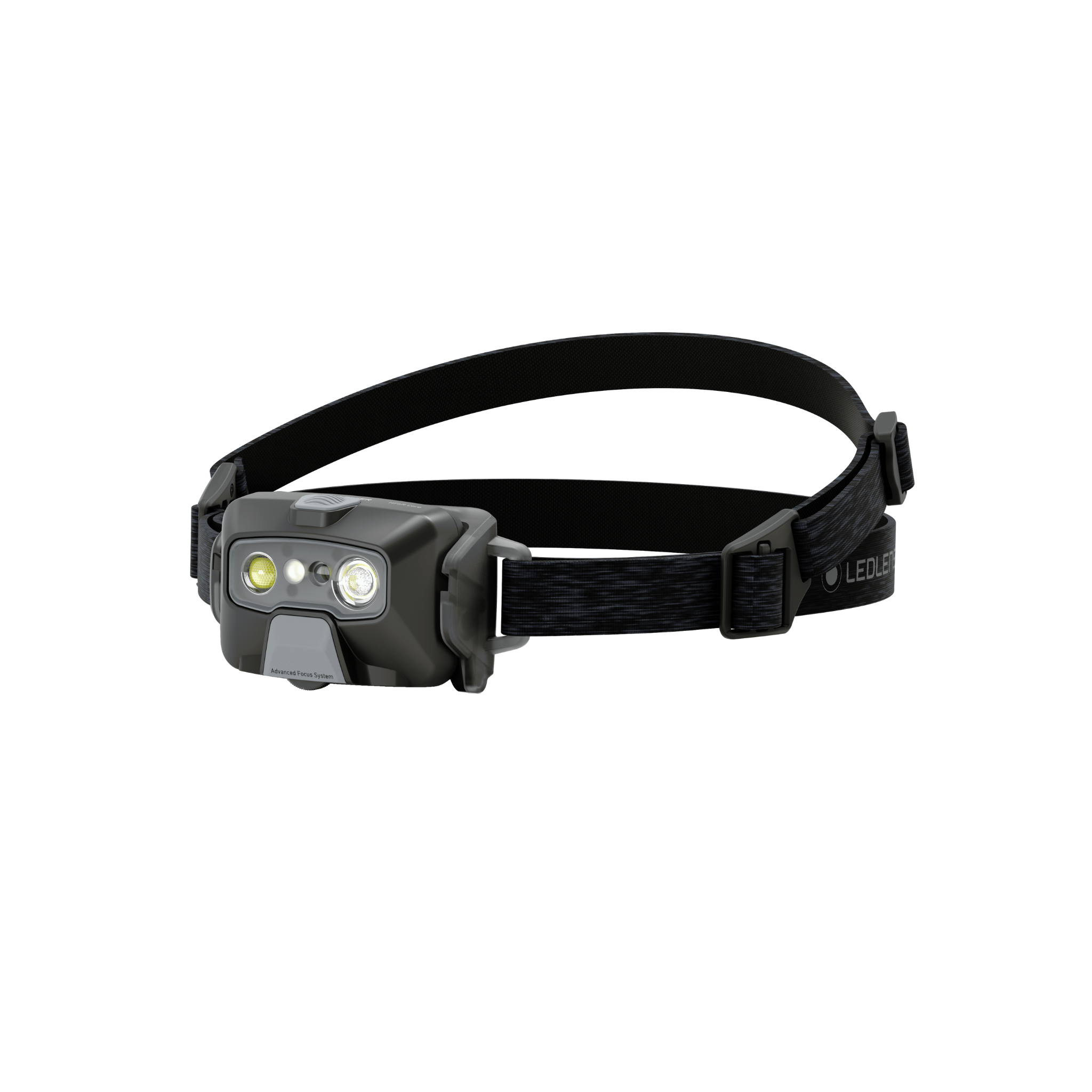
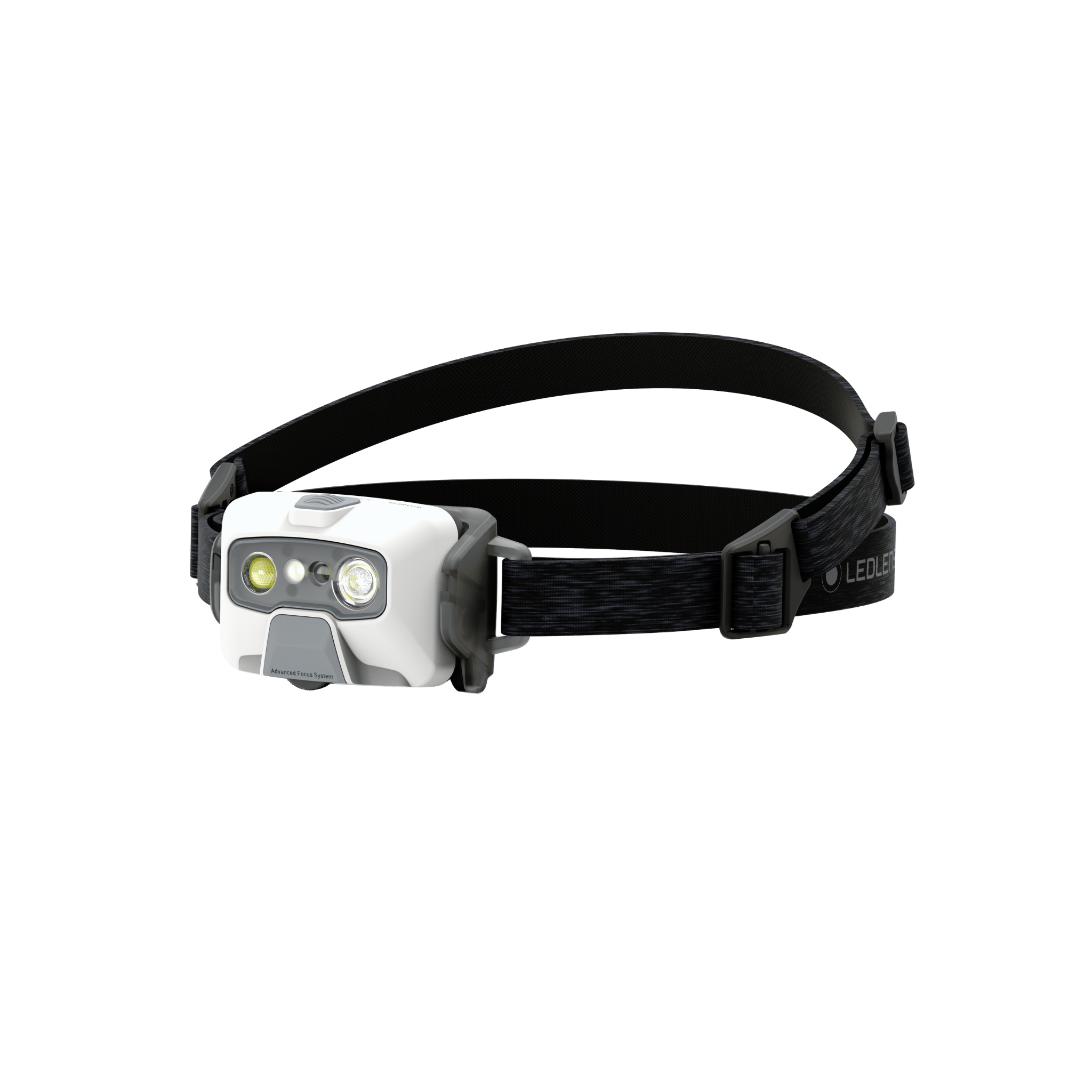
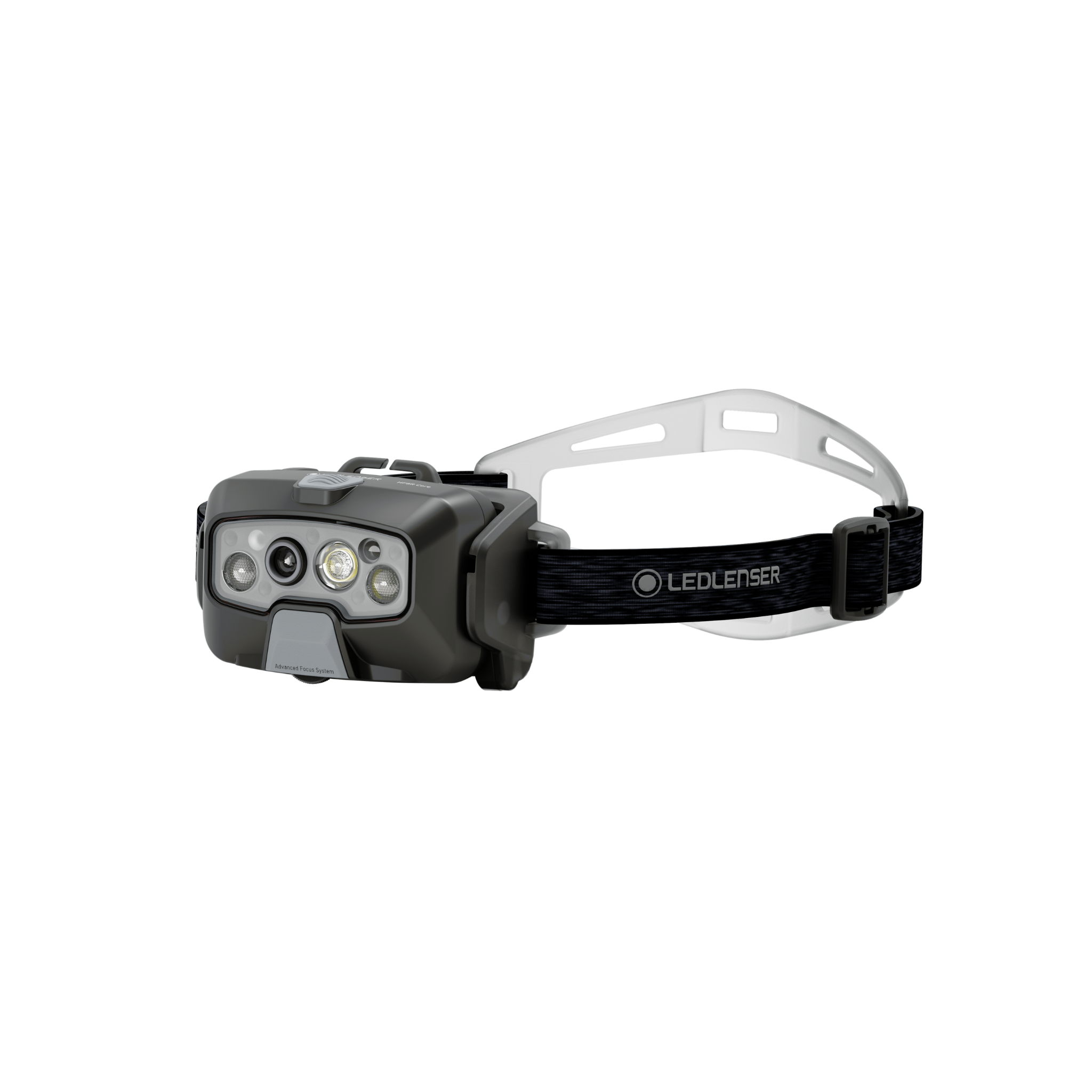
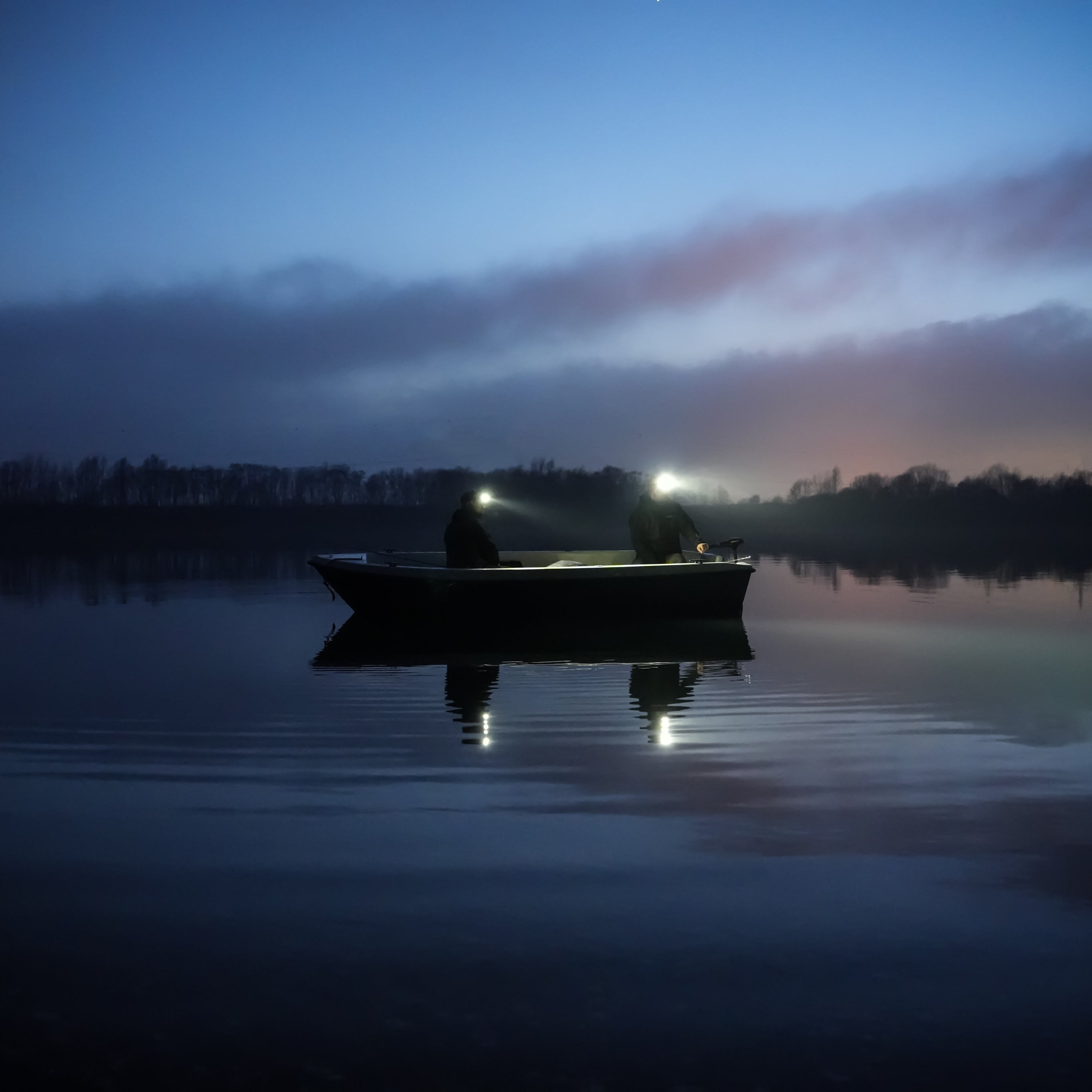
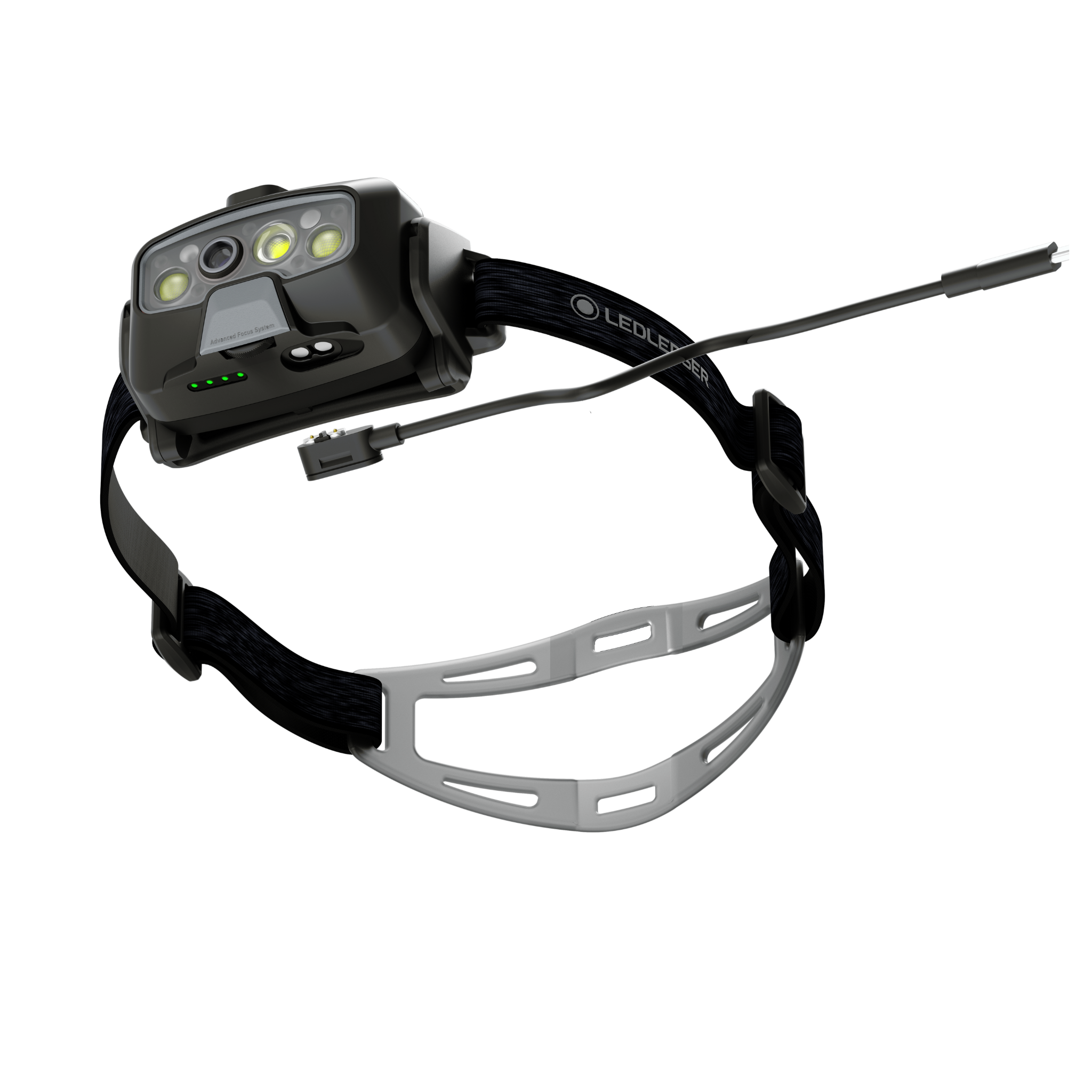
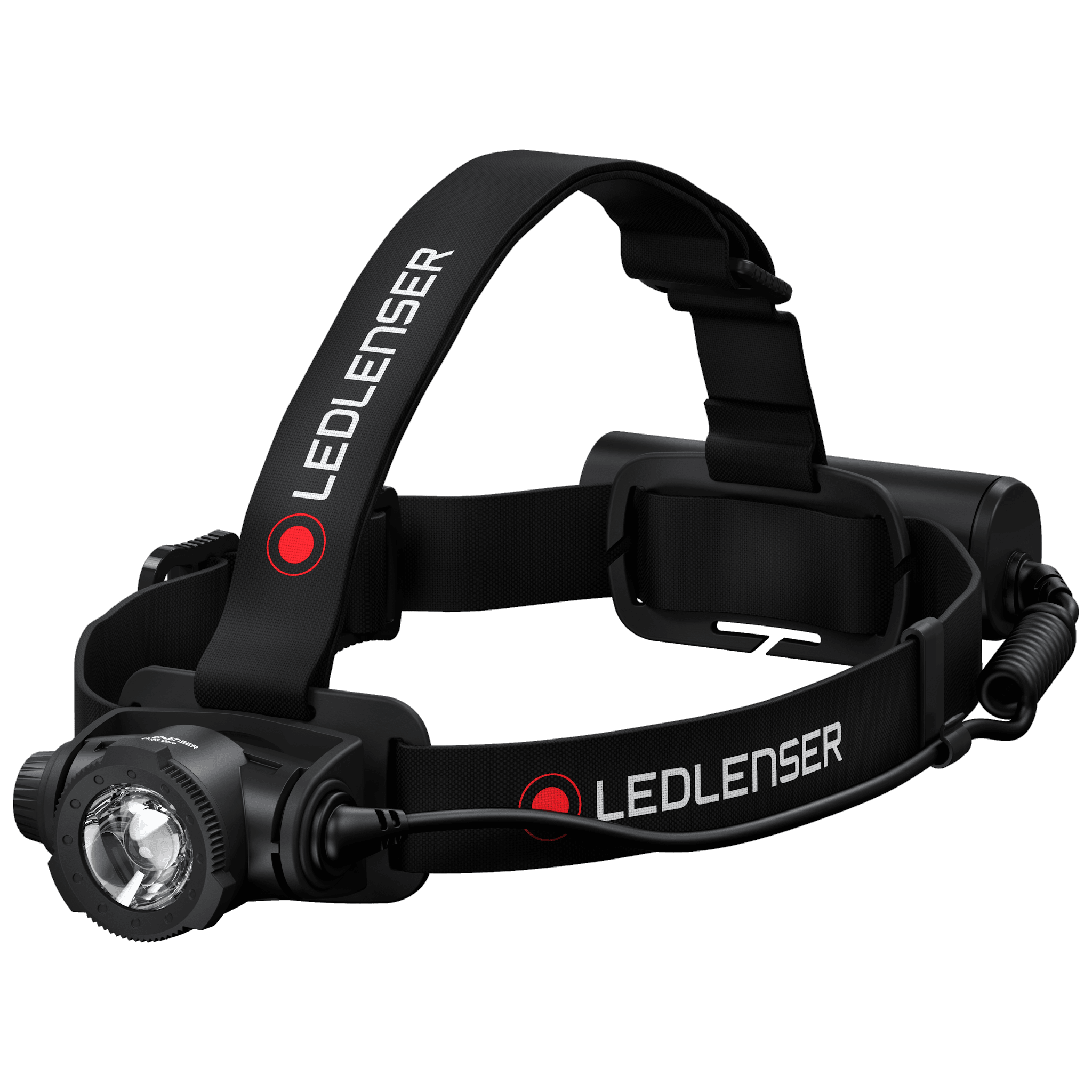
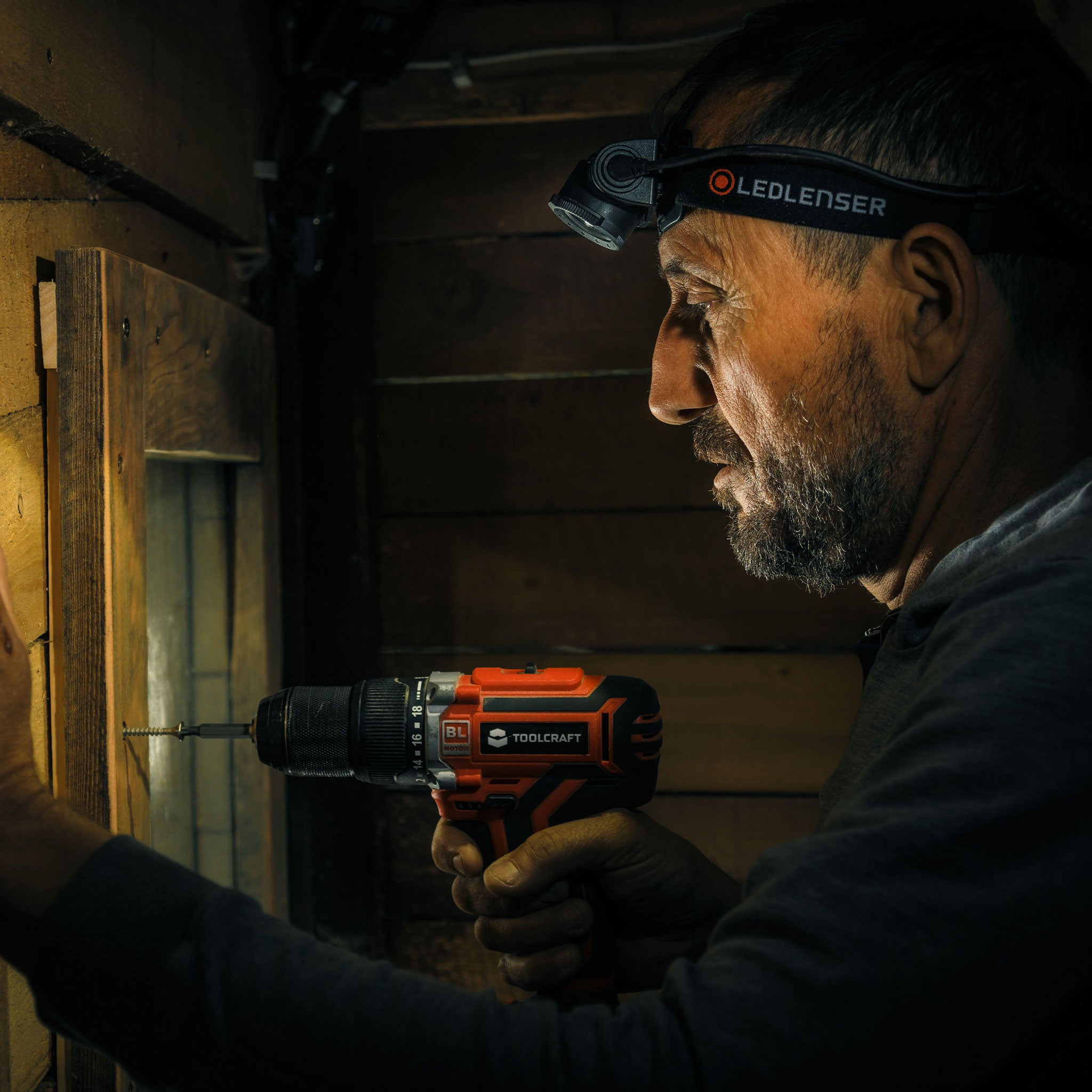
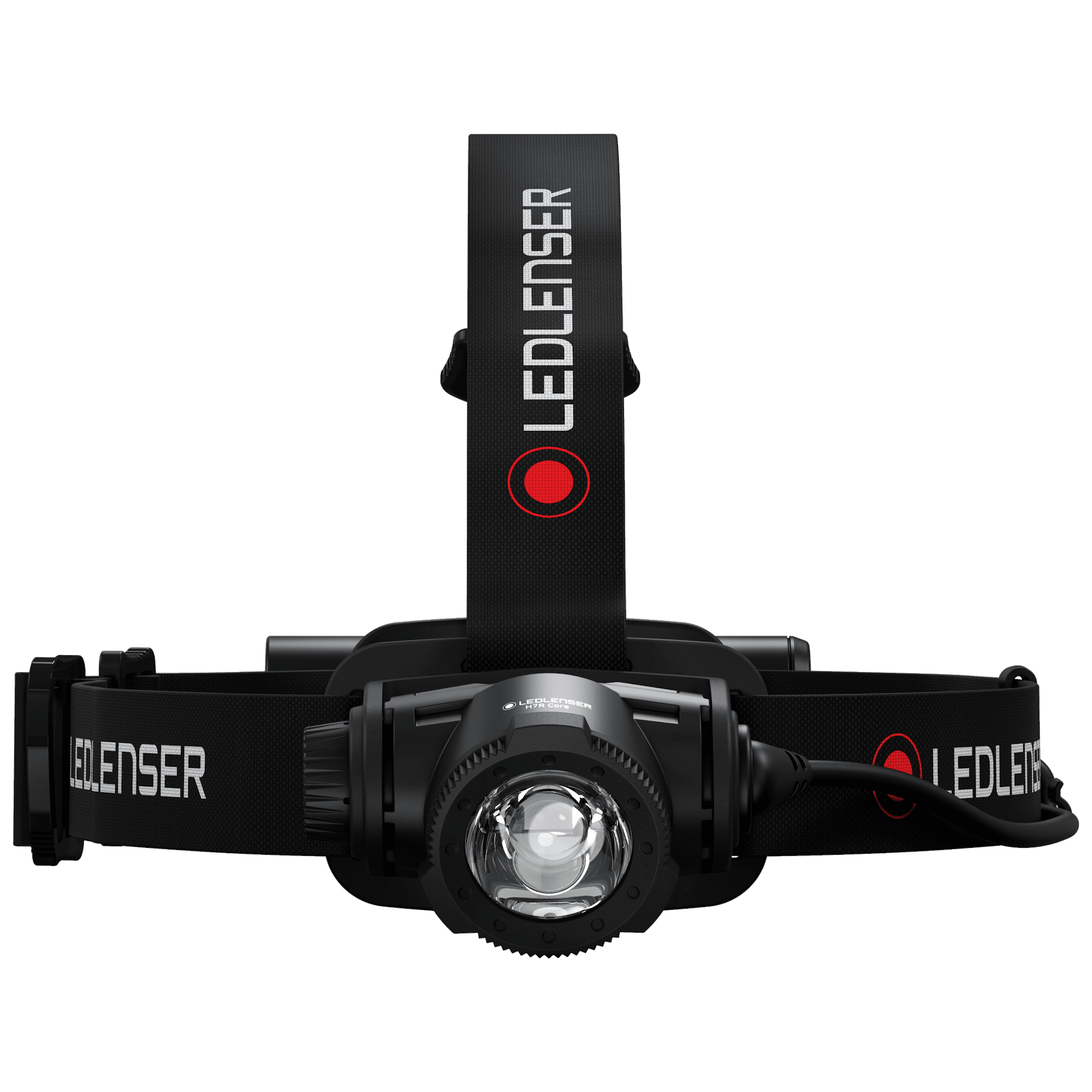
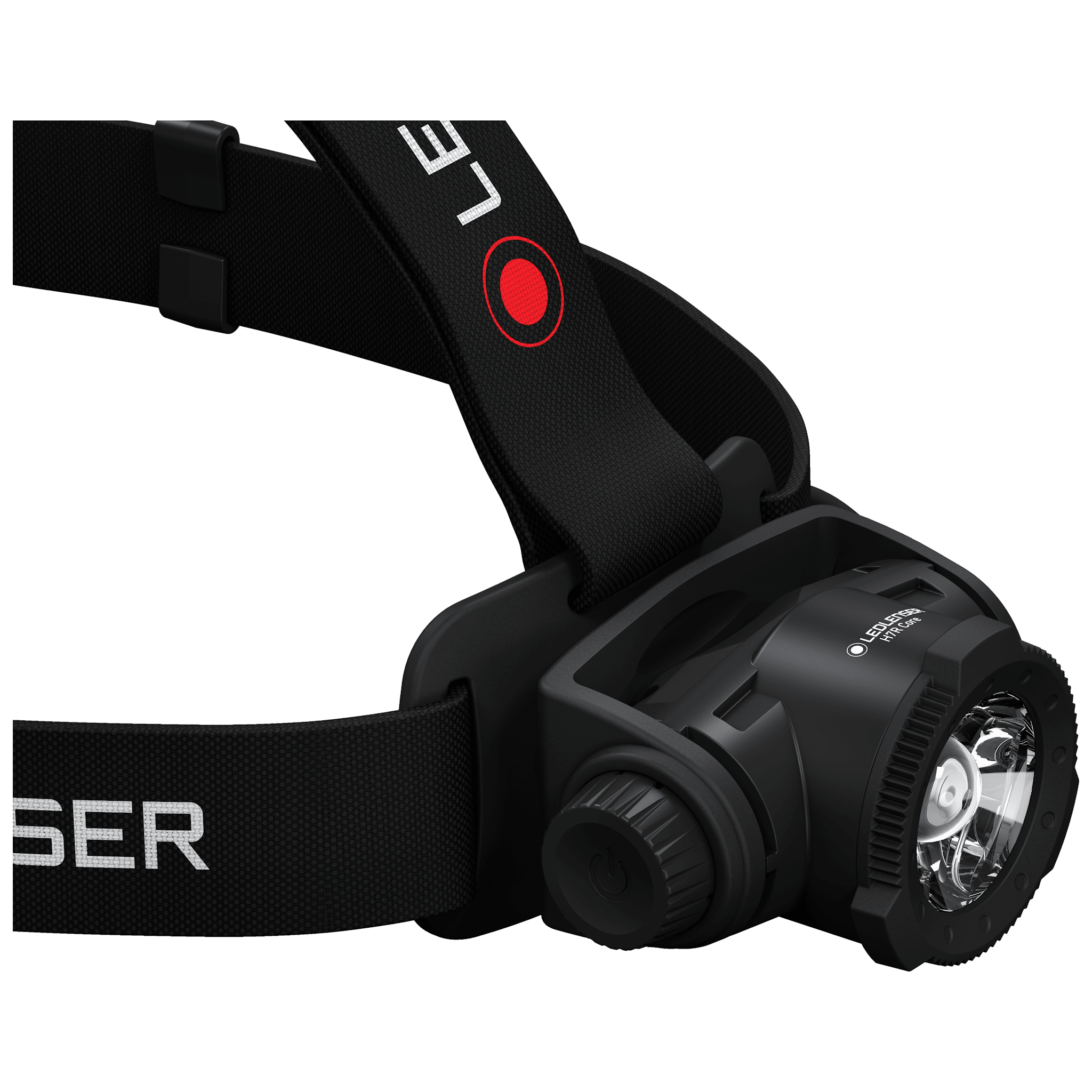
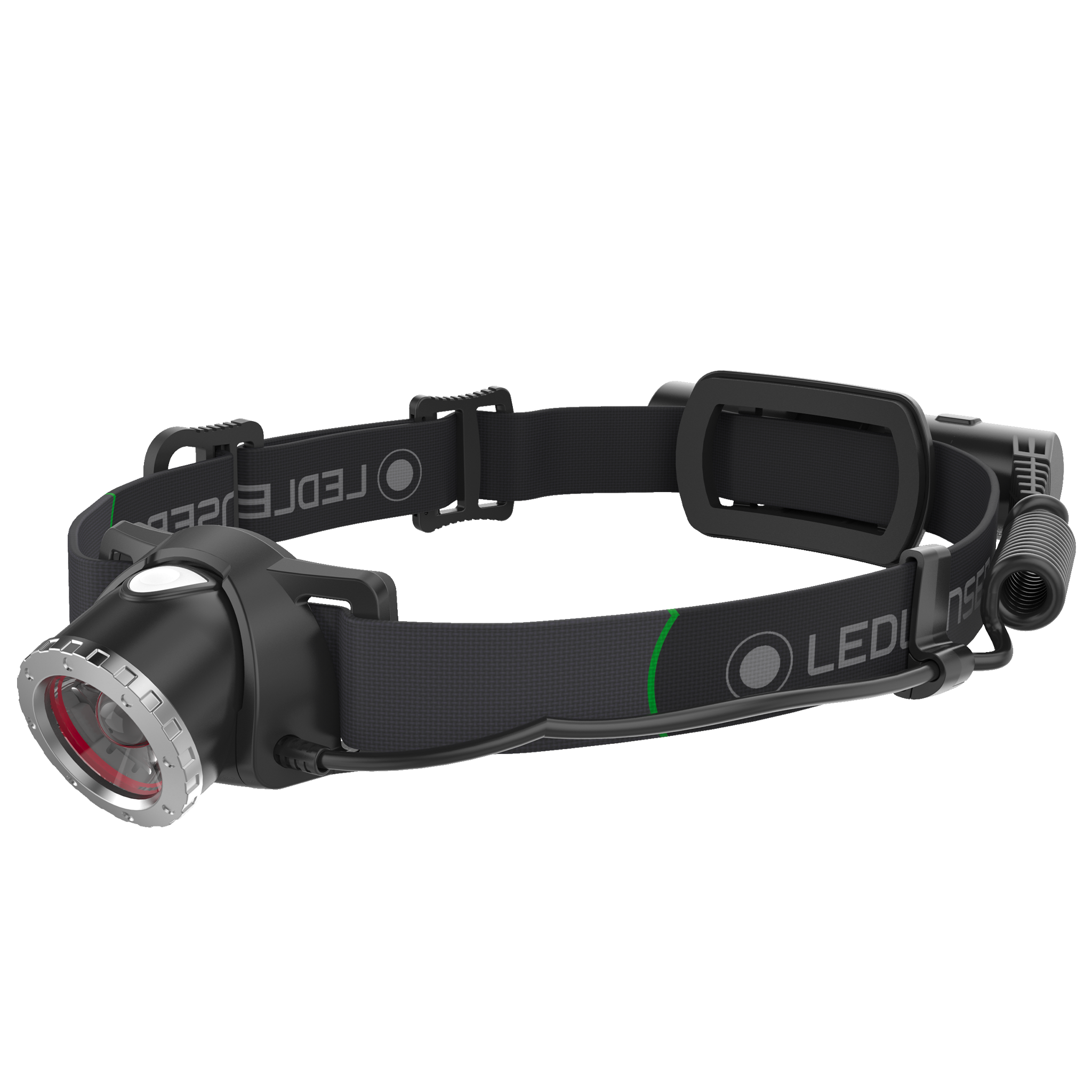
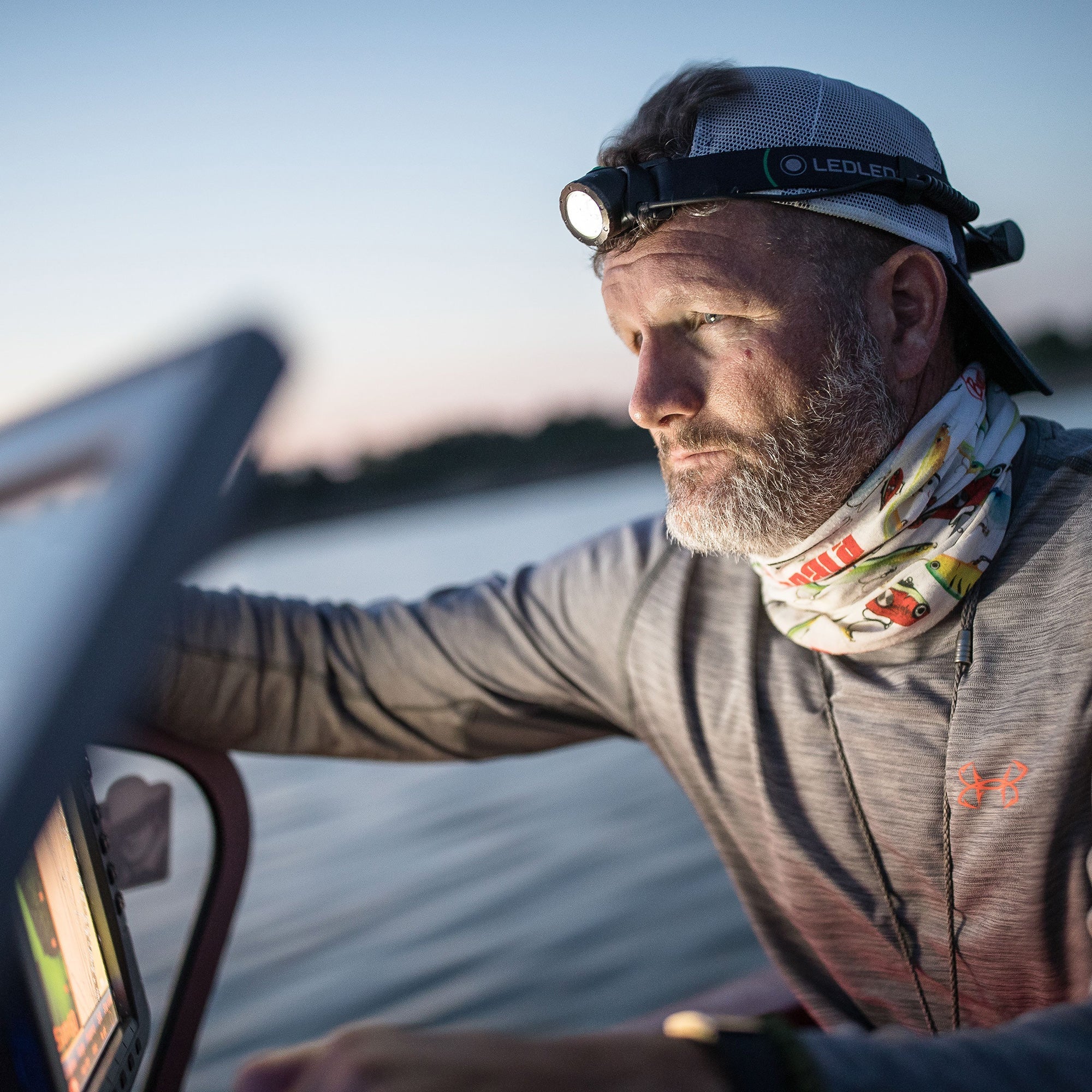


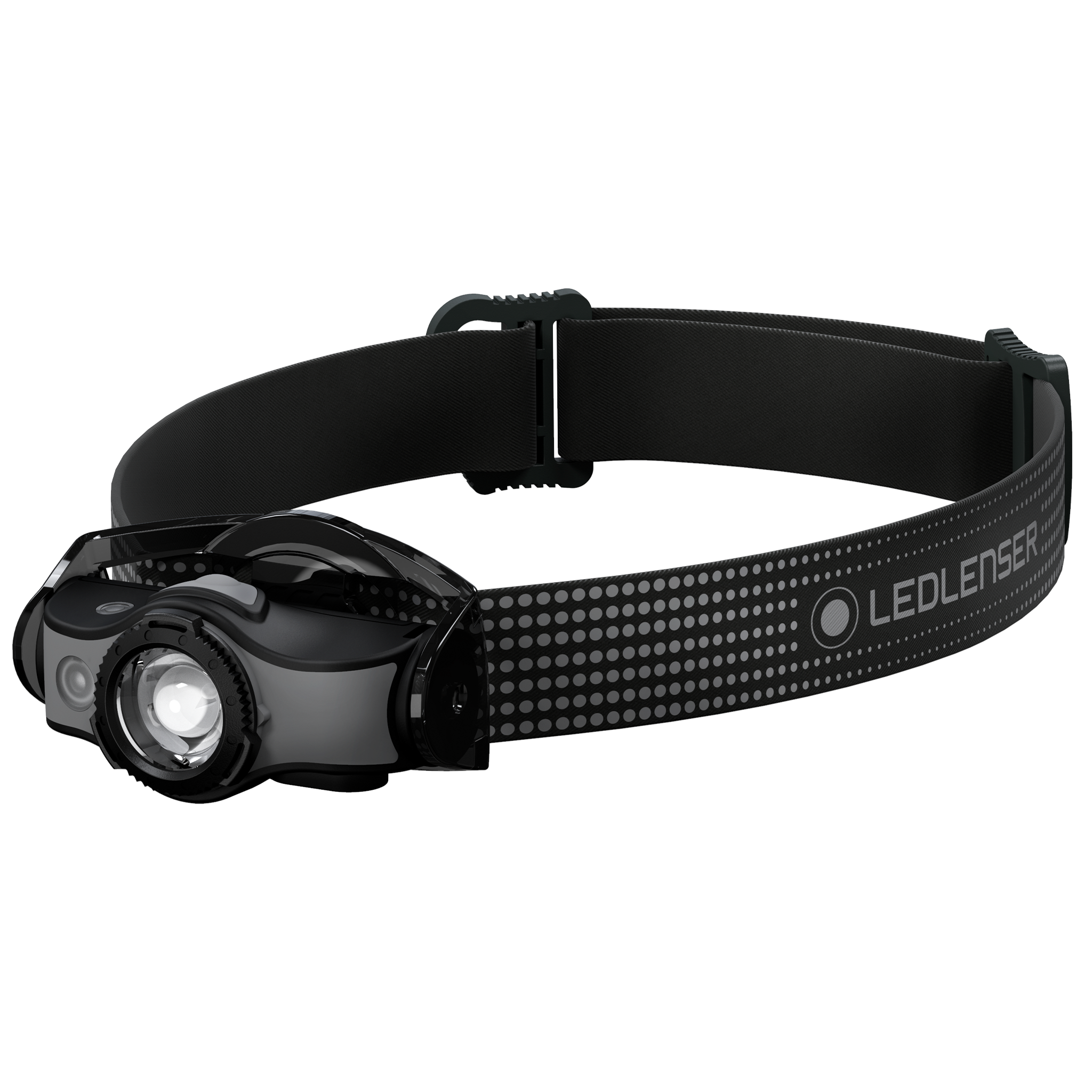
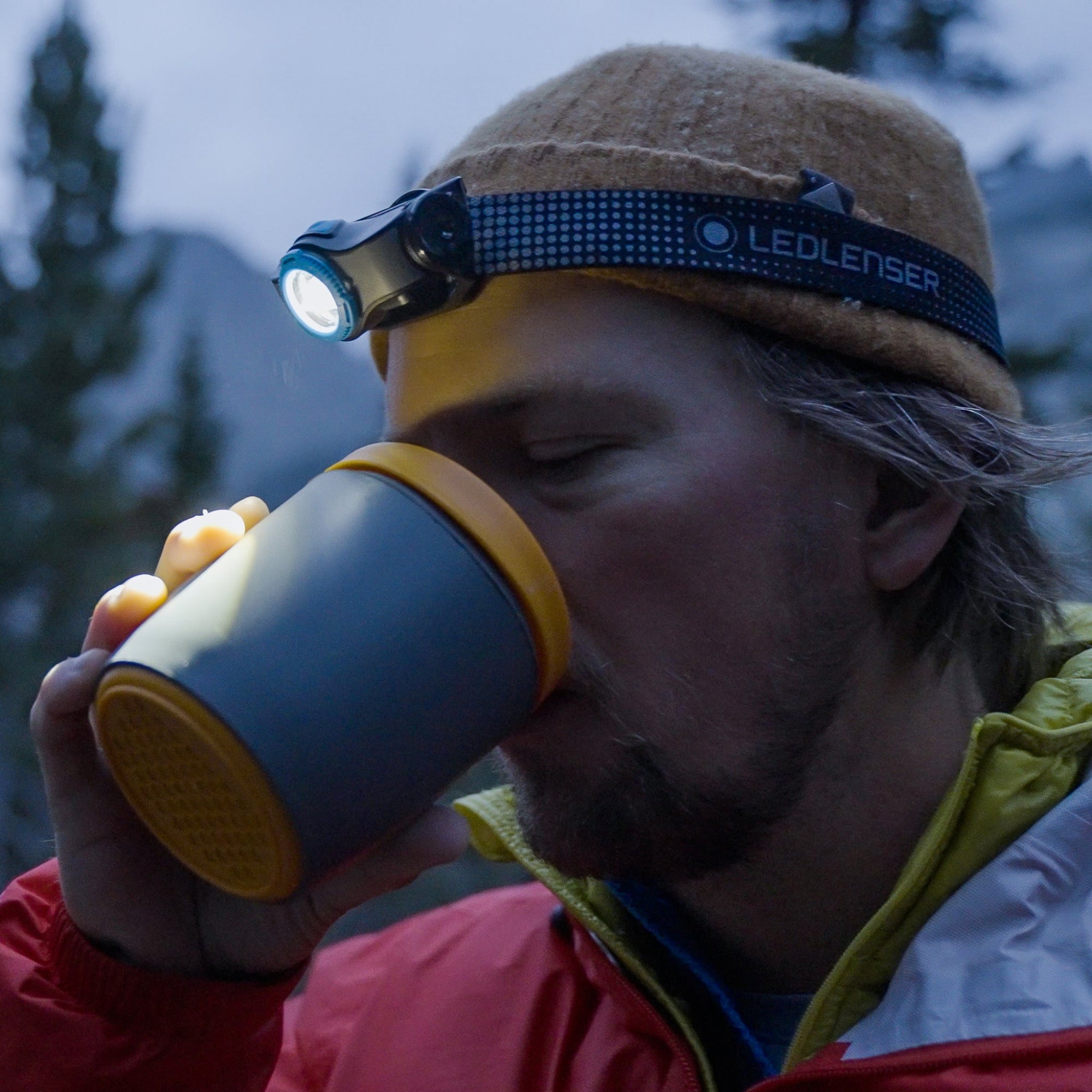
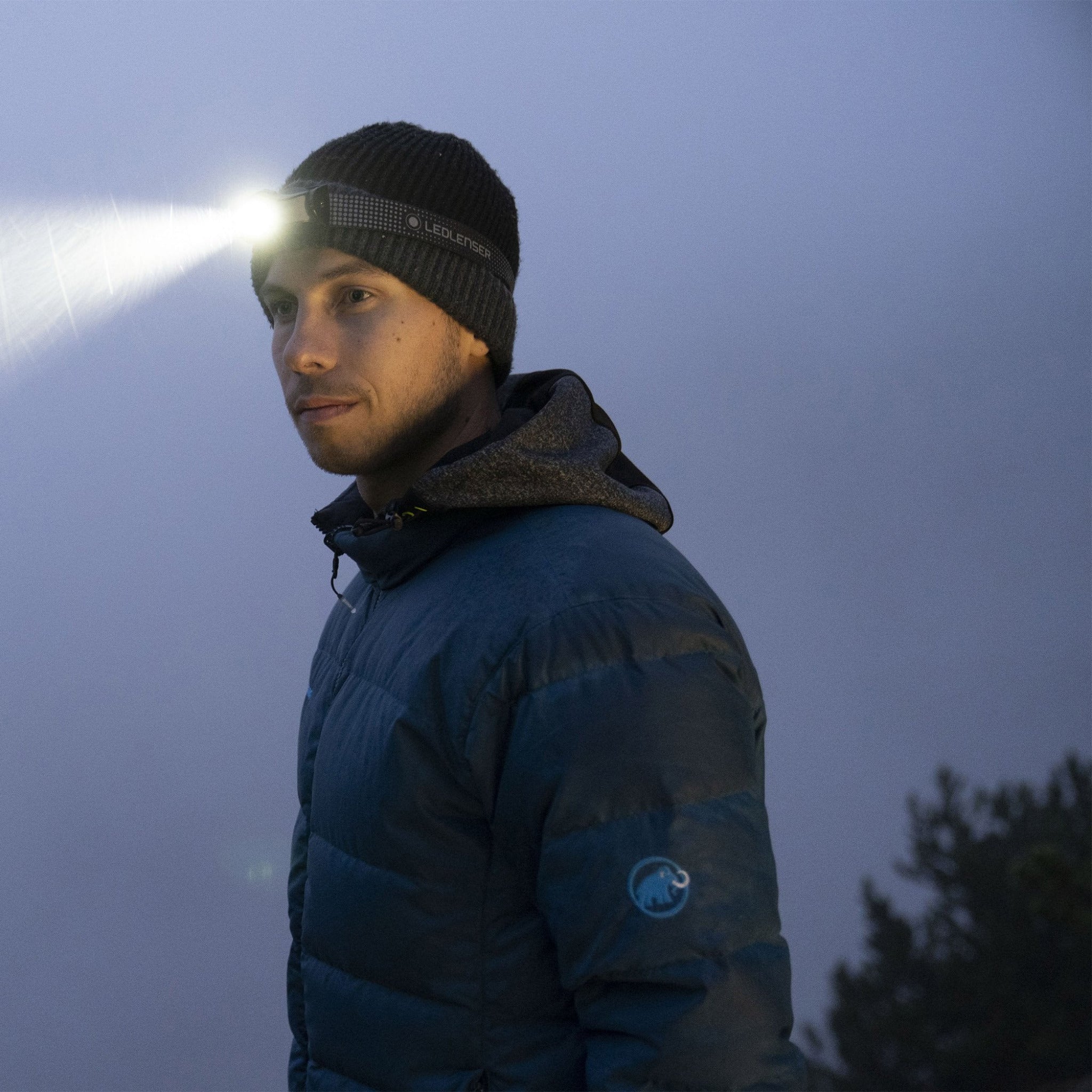
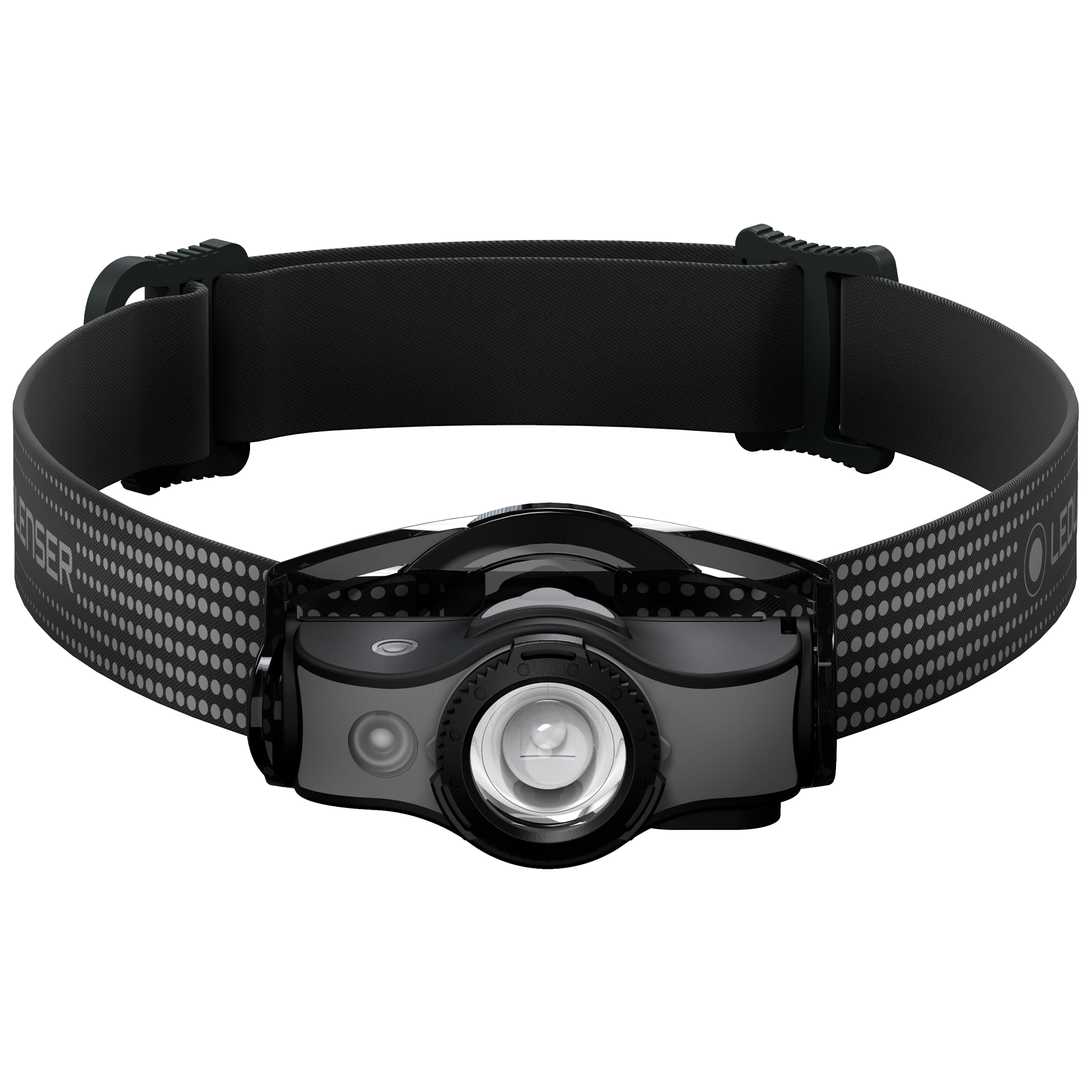
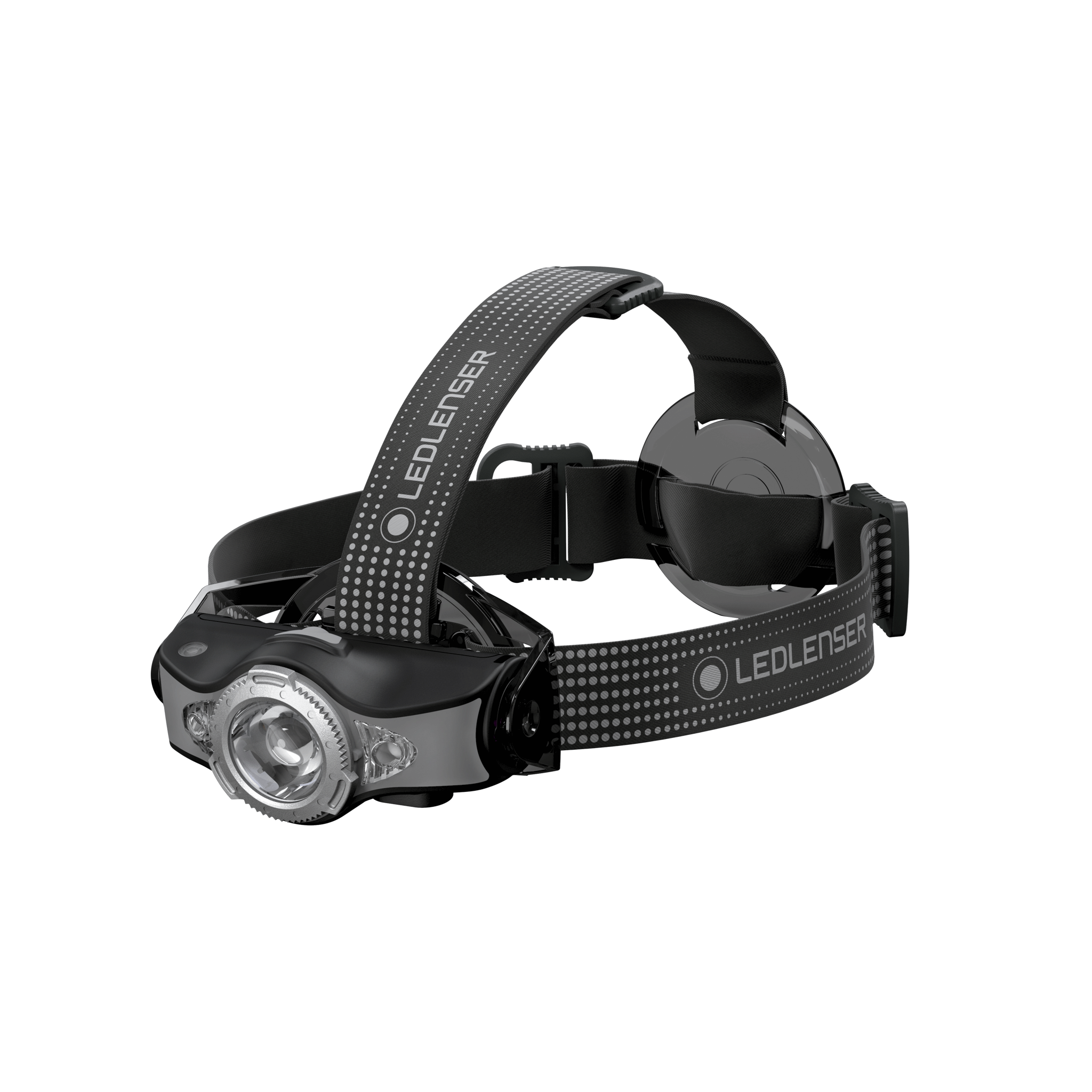
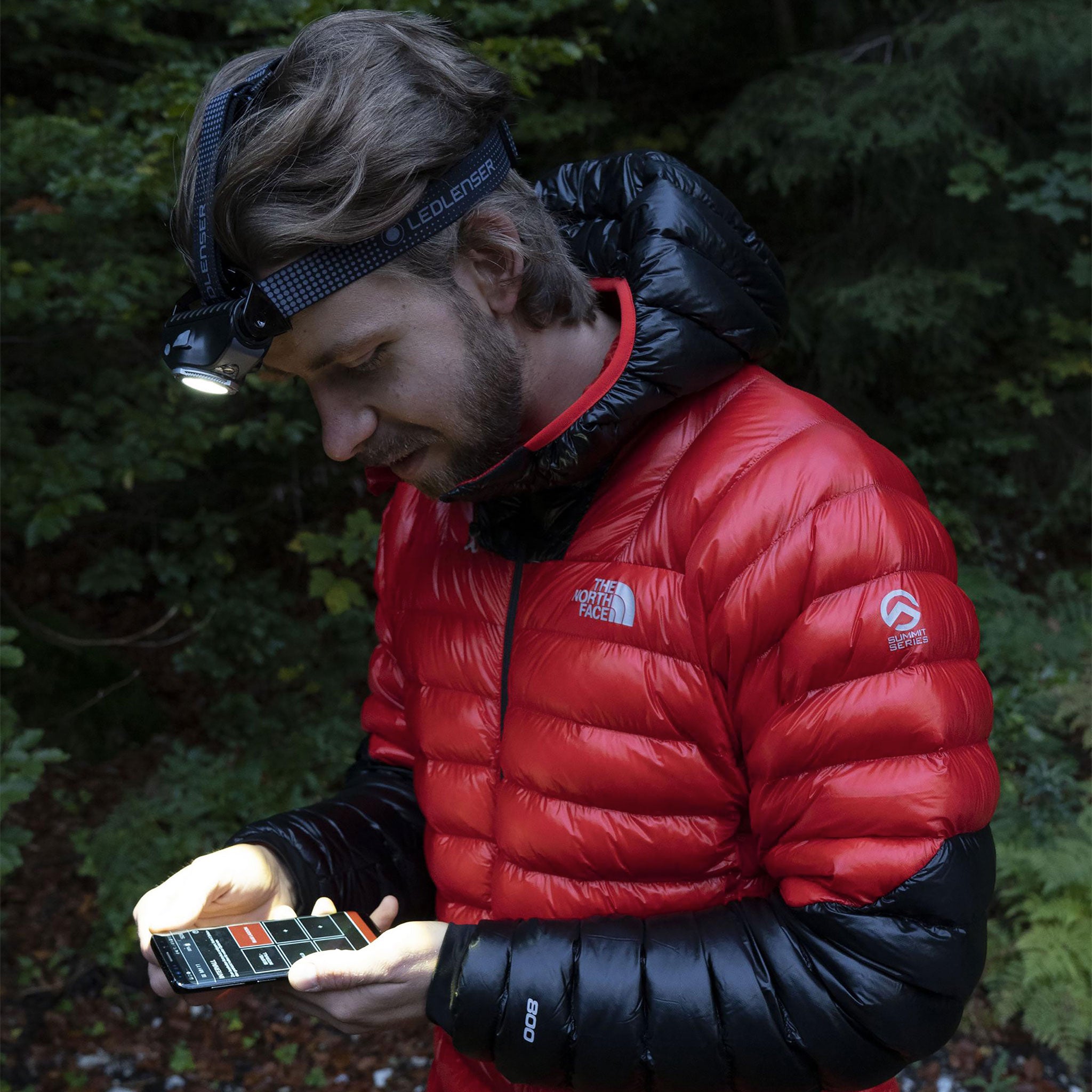
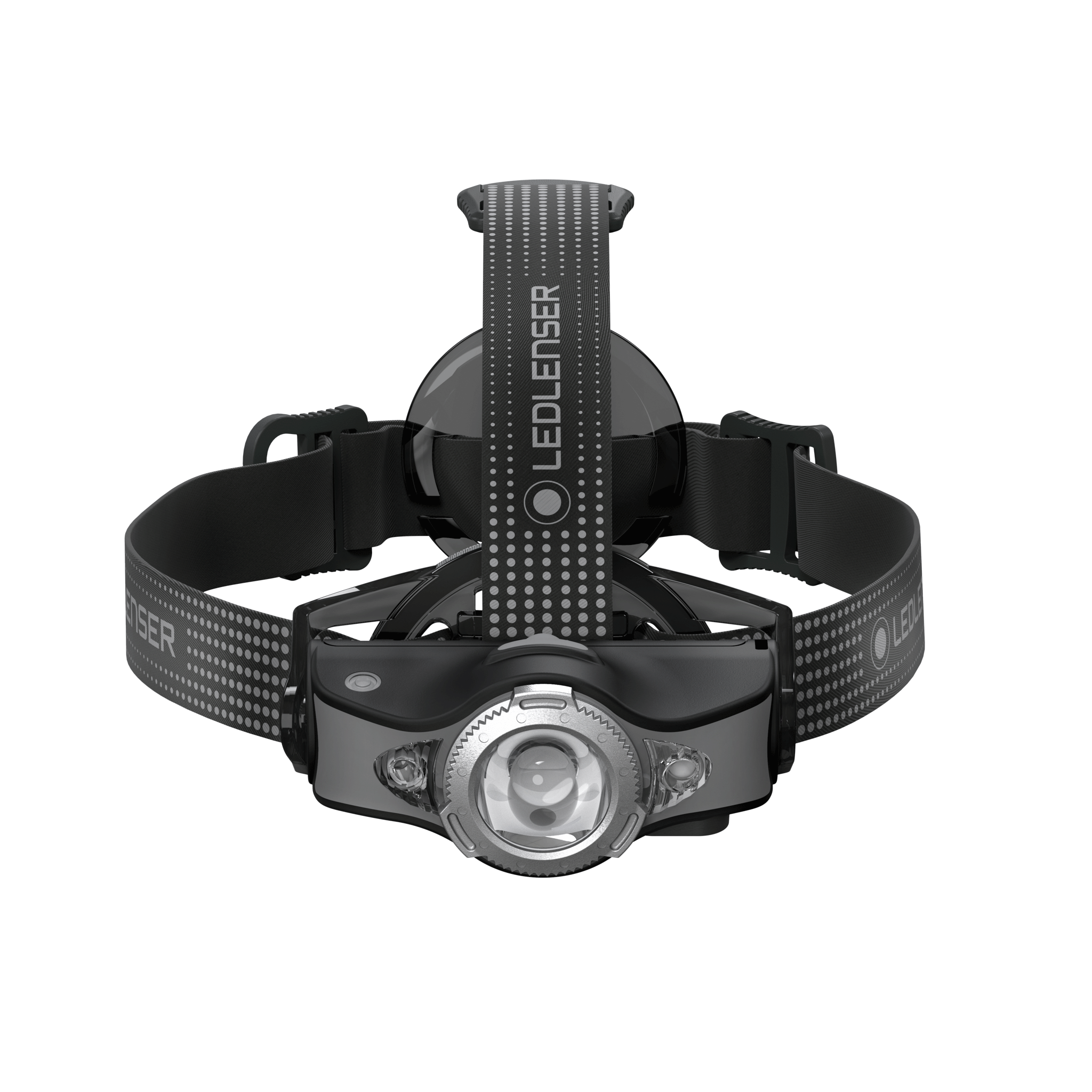
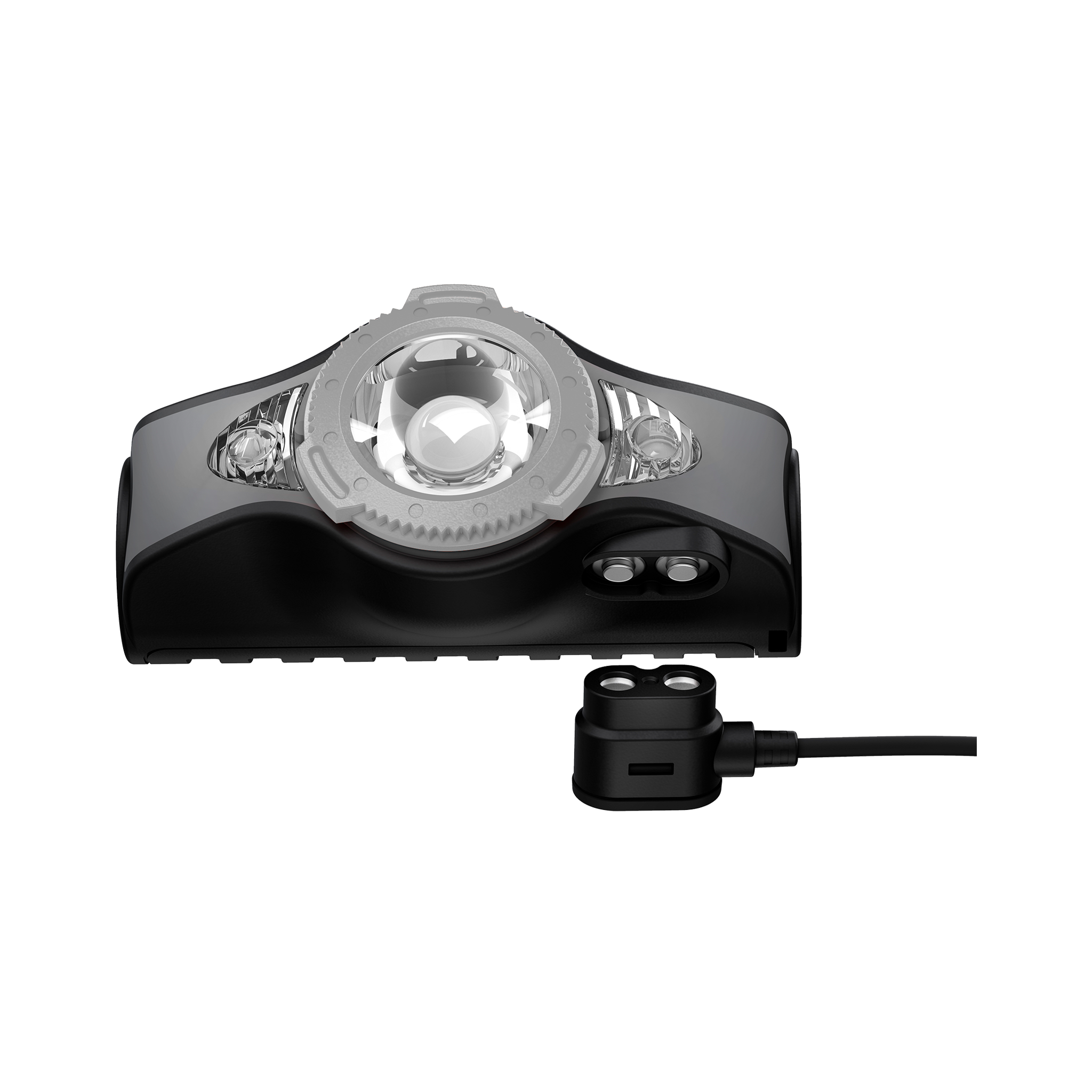
Early mornings, winter afternoons and after-dark training all demand dependable visibility that stays comfortable when you’re moving fast. A running headlamp needs a stable fit, balanced weight, a beam that shows what’s ahead and at the edges of the trail, and controls you can use when breathing hard or wearing gloves.
Ledlenser’s running-focused options centre on the NEO Series and MH Series, combining comfort with practical output, beam distance and runtime for Australian conditions. Every purchase is backed by a 7 year warranty, plus free shipping over $149 across Australia.
Want to compare more options? Start with our Head Torches collection.
Product Features
A running headlamp should help you see and be seen without becoming a distraction. Prioritise fit, beam usability and fast adjustments.
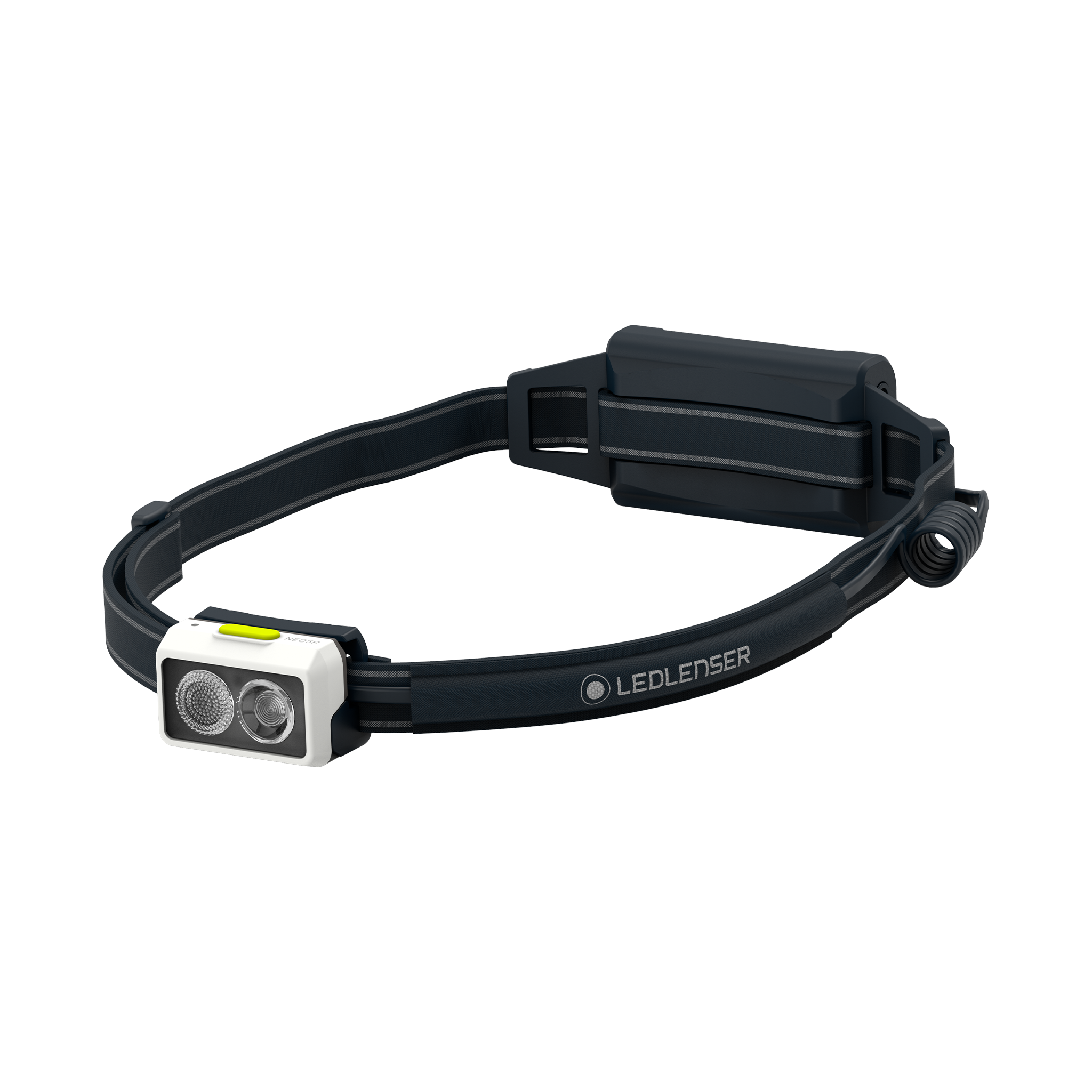
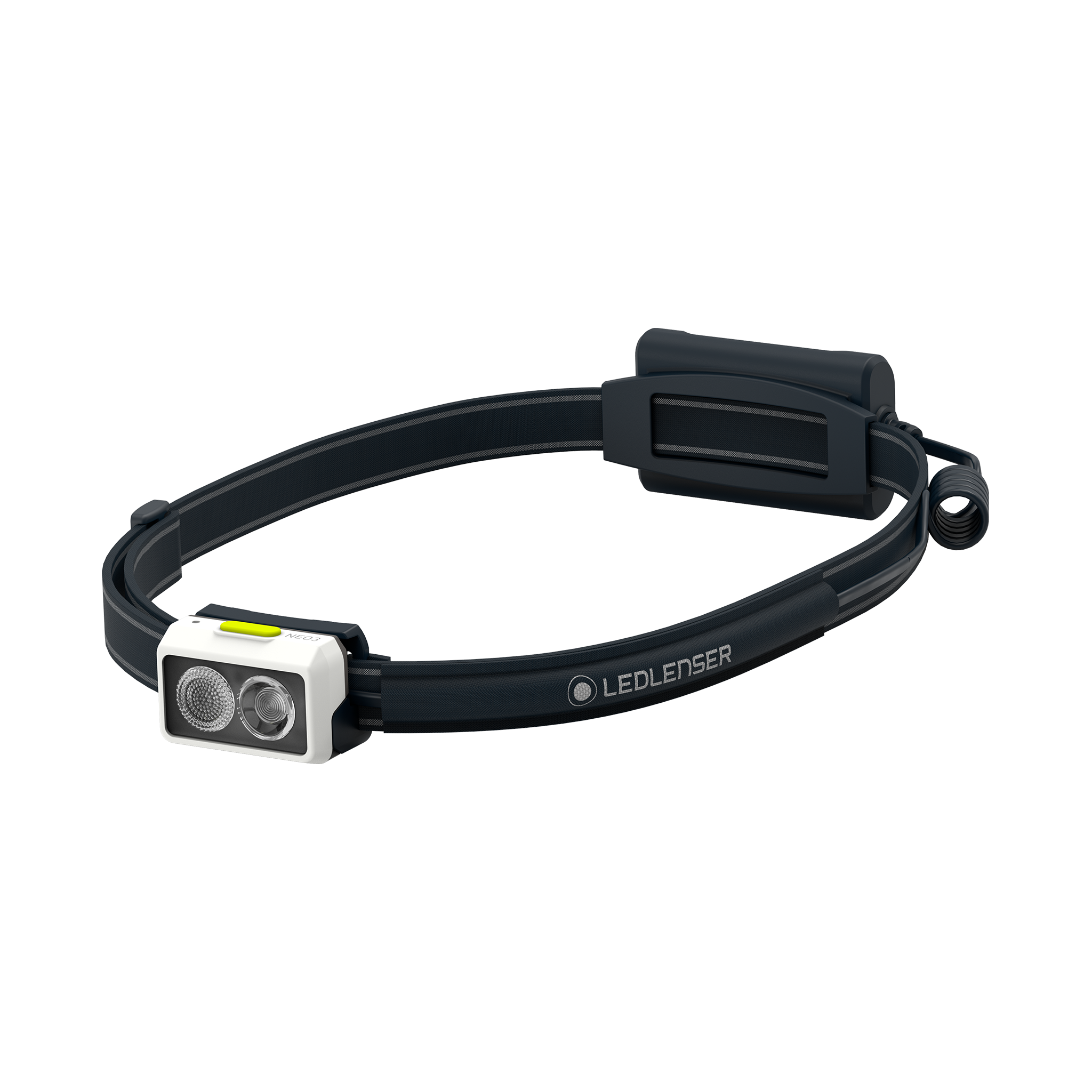
- Secure, bounce-resistant fit: A stable headband reduces fatigue and keeps the beam where you need it on climbs, descents and corners.
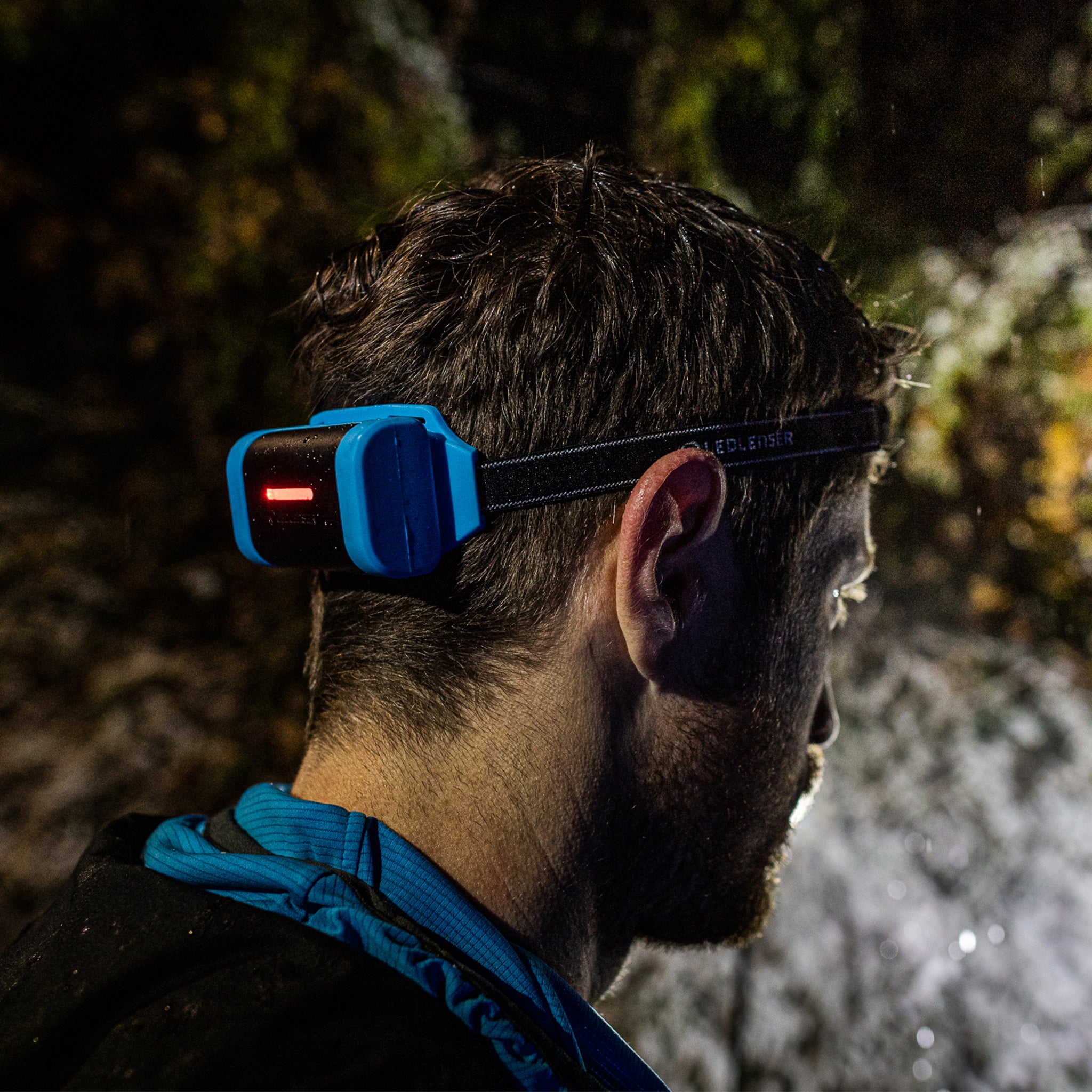
- Balanced weight: Many runners prefer a rear battery pack to improve stability during constant impact.
- Useful beam pattern: Look for broad spill for peripheral vision with enough forward reach to read terrain early.
- Practical controls and modes: Multiple brightness levels help preserve runtime in lit areas and boost visibility on darker trails.
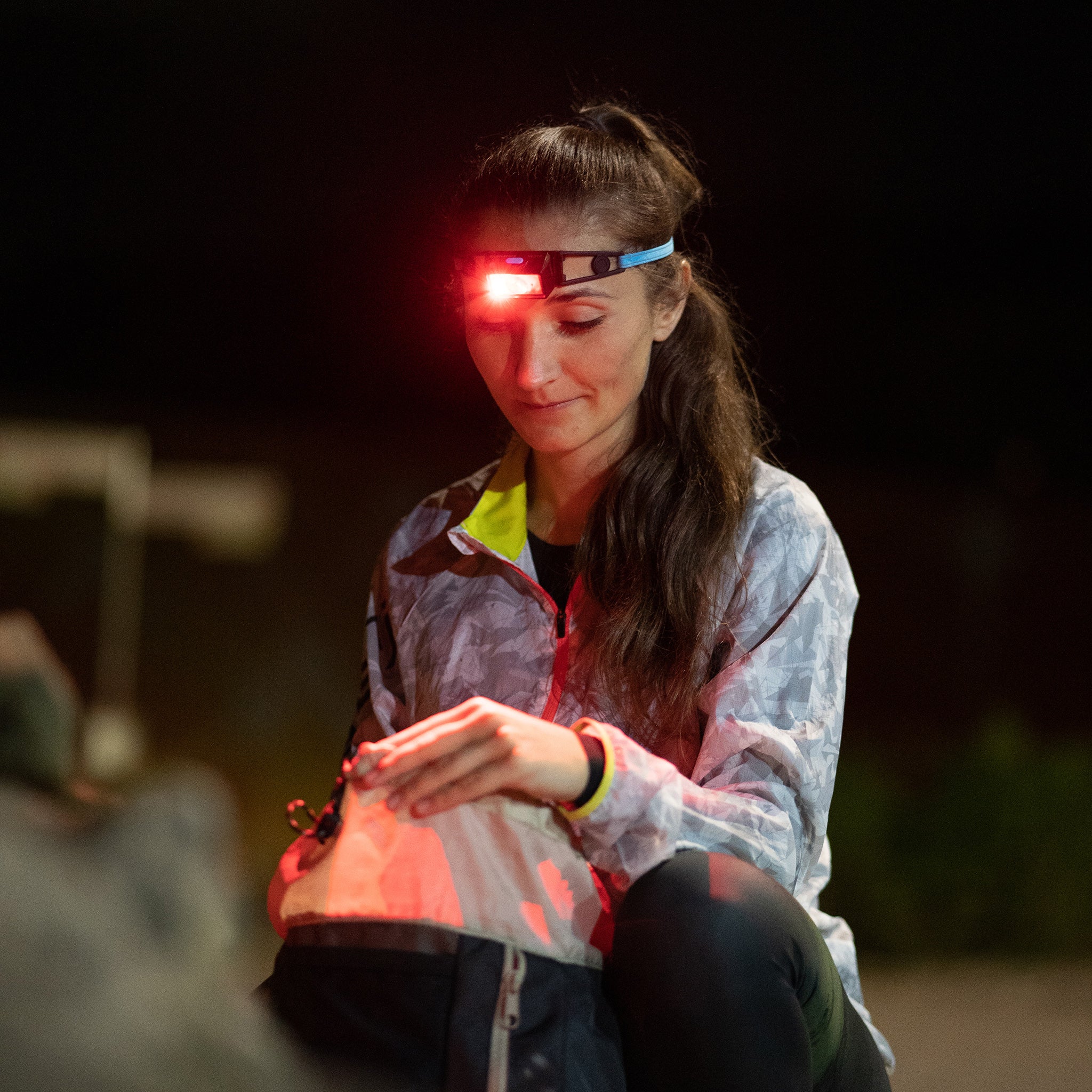
- Optional red light: Helpful for low-disruption use around others or preserving night vision pre-start.
- Weather resistance: Sweat, rain and humidity are hard on seals and switches; prioritise IP-rated models for wet conditions.
For wet-weather shortlisting, browse Waterproof Headlamps. For lightweight performance with a rear battery design, explore the NEO Series and compare with broader outdoor options like the MH10.
Performance
Most runners are balancing three things: brightness, beam distance and runtime. The right mix depends on where you run and how fast you move.
How much light is enough?
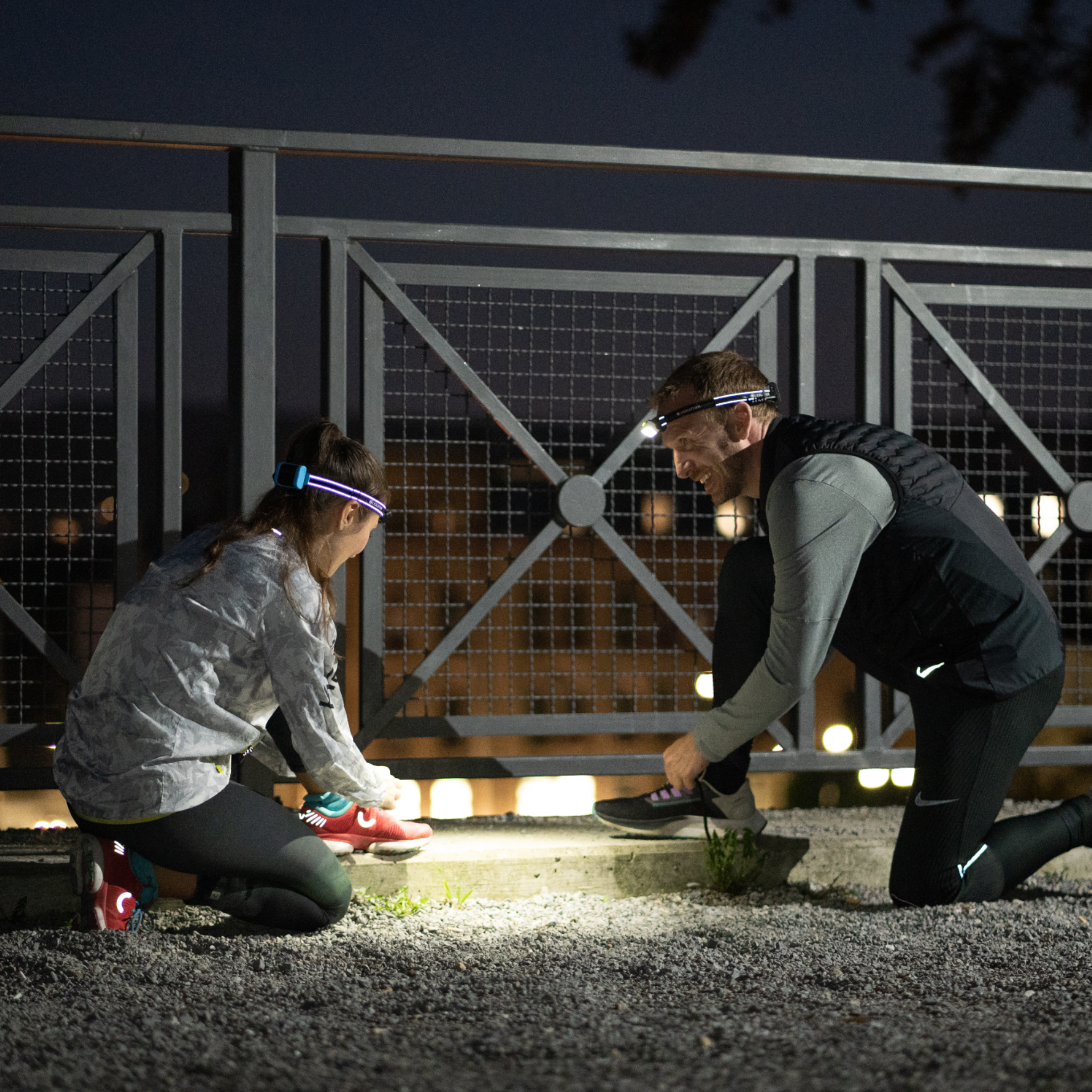
For most road running and shared paths, 250–400 lumens is typically plenty (especially with ambient lighting). Higher output can reduce runtime and increase glare in rain, fog or reflective environments.
Trail performance and control
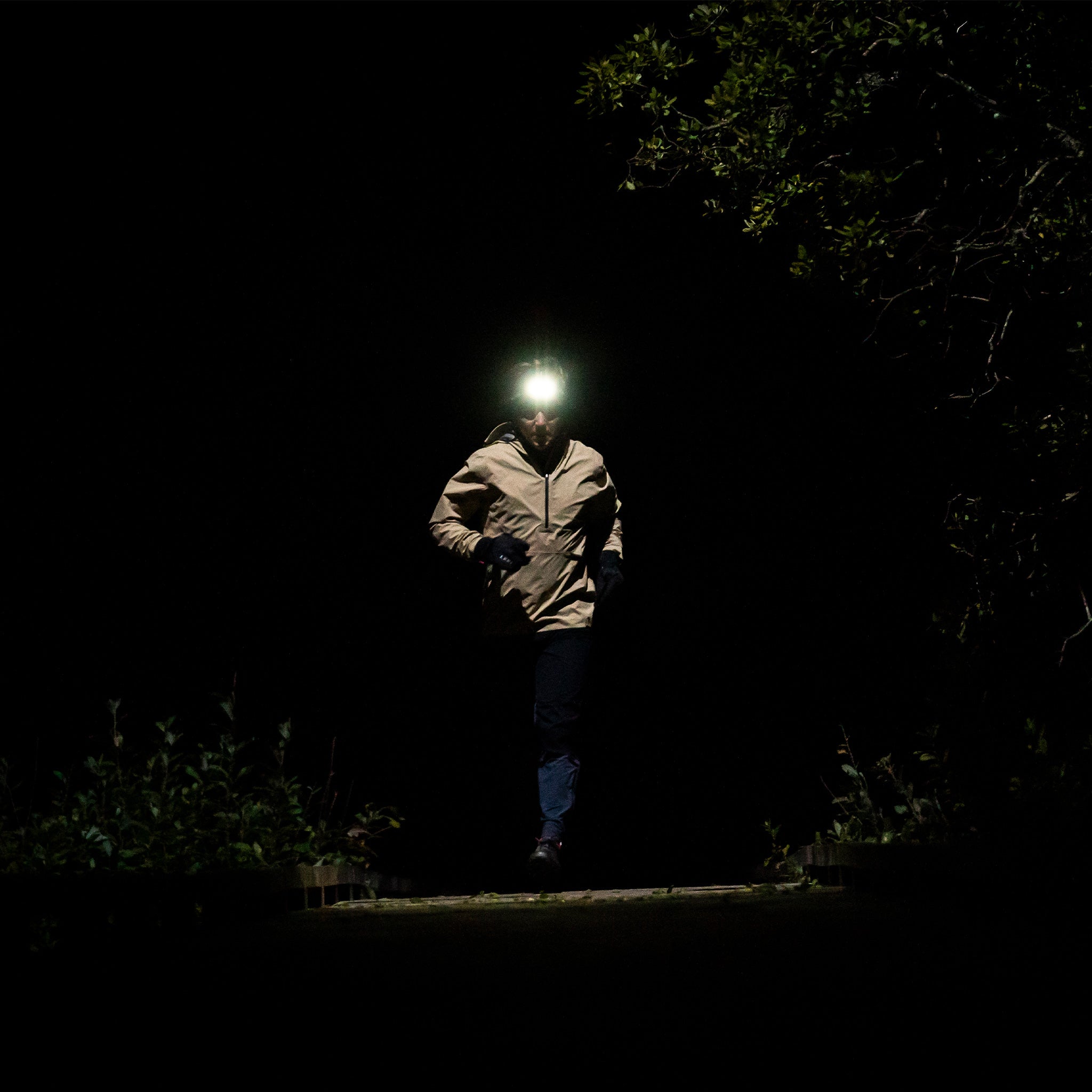
For darker trails, higher maximum output helps with quick scans further down the track, but the real advantage is having multiple levels so you can step output up and down as conditions change.
Model examples (for comparison)
- NEO range: Options from 250 to 1,200 lumens, beam distance up to 200 m, and runtimes from 15 to 120 hours (depending on model and mode).
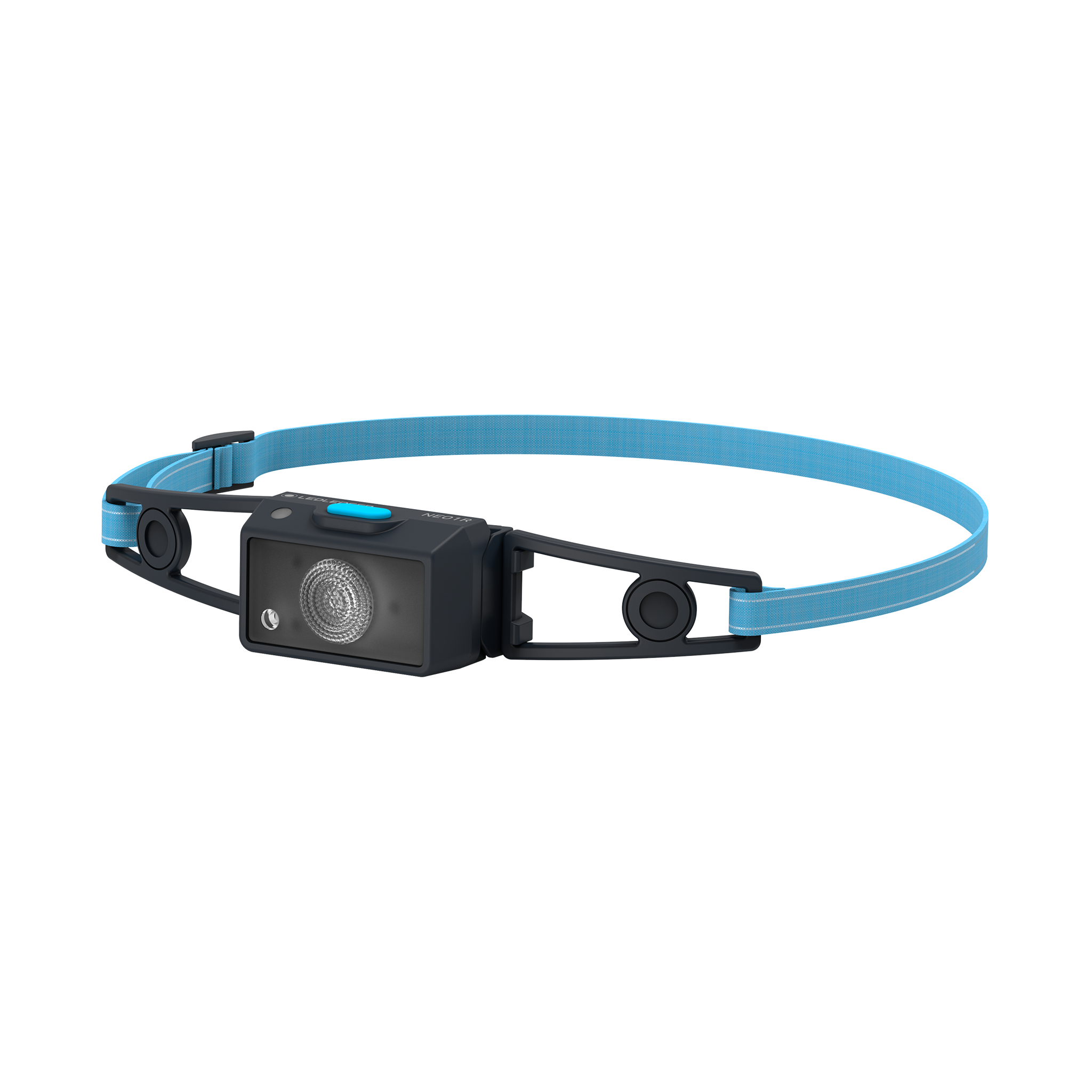
- NEO1R: 39 g, 250 lumens, 80 m range, up to 15 hours runtime. View NEO1R
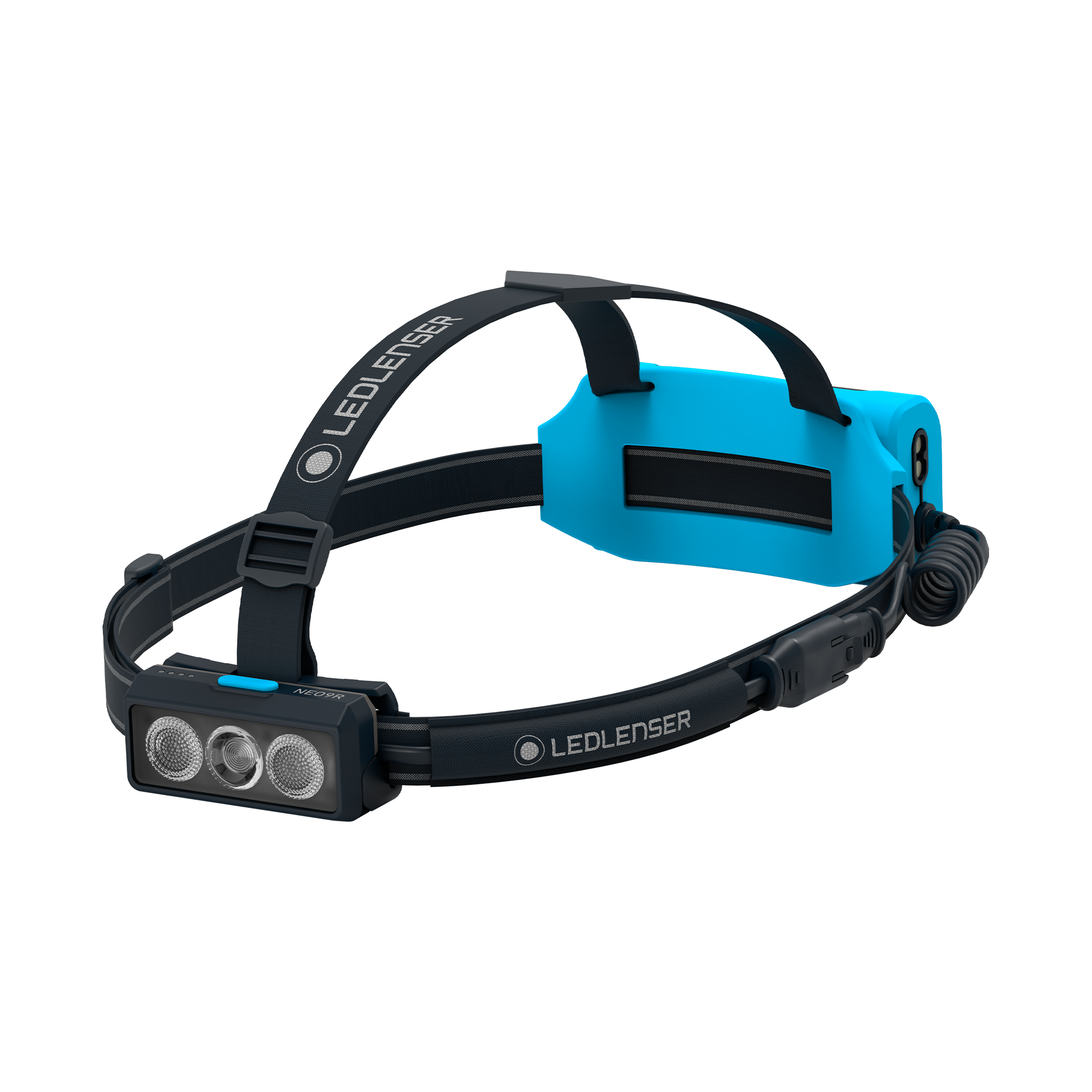
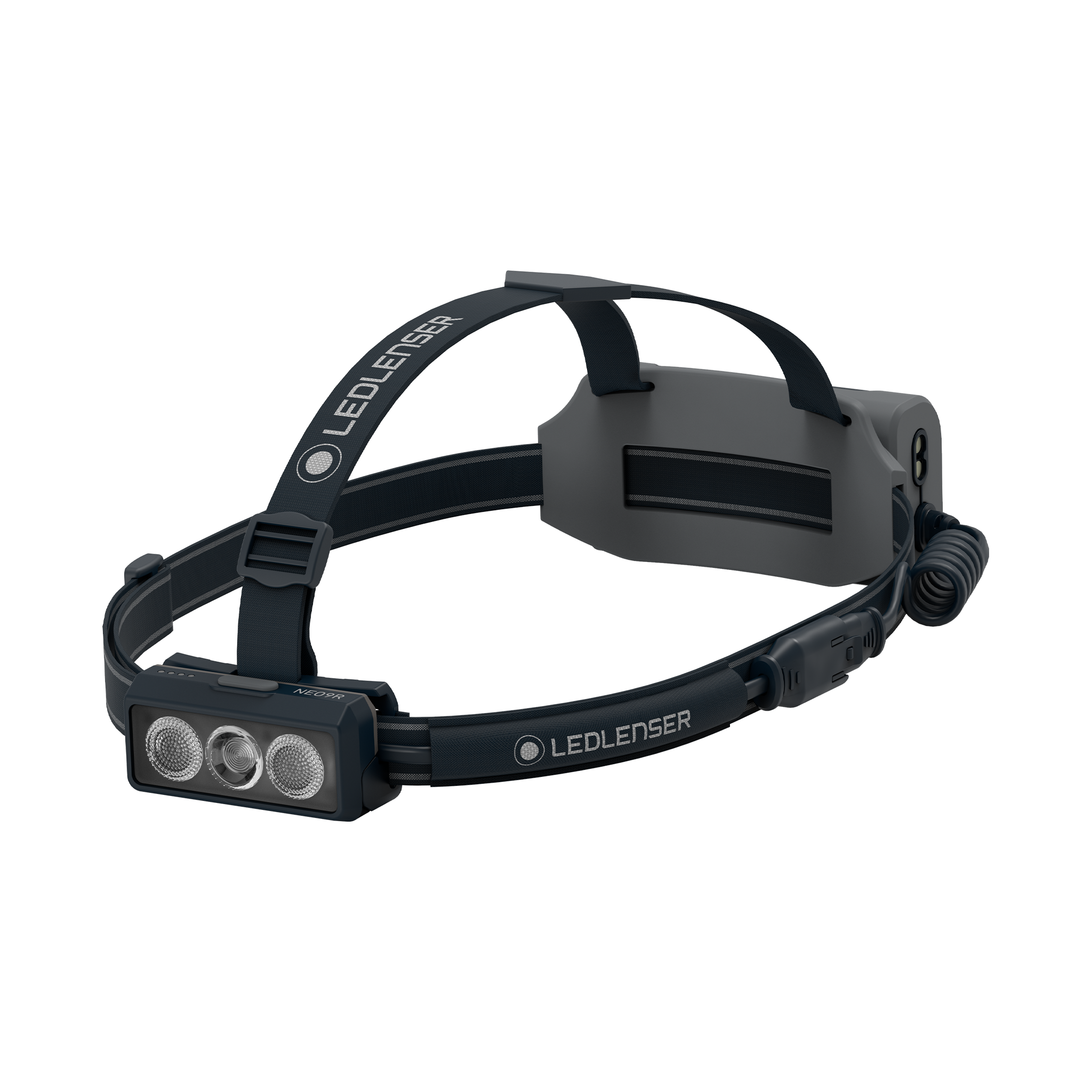
- NEO9R: Up to 1,200 lumens, 200 m beam distance, up to 120 hours runtime, IP67, balanced 120 g design. Explore NEO Series
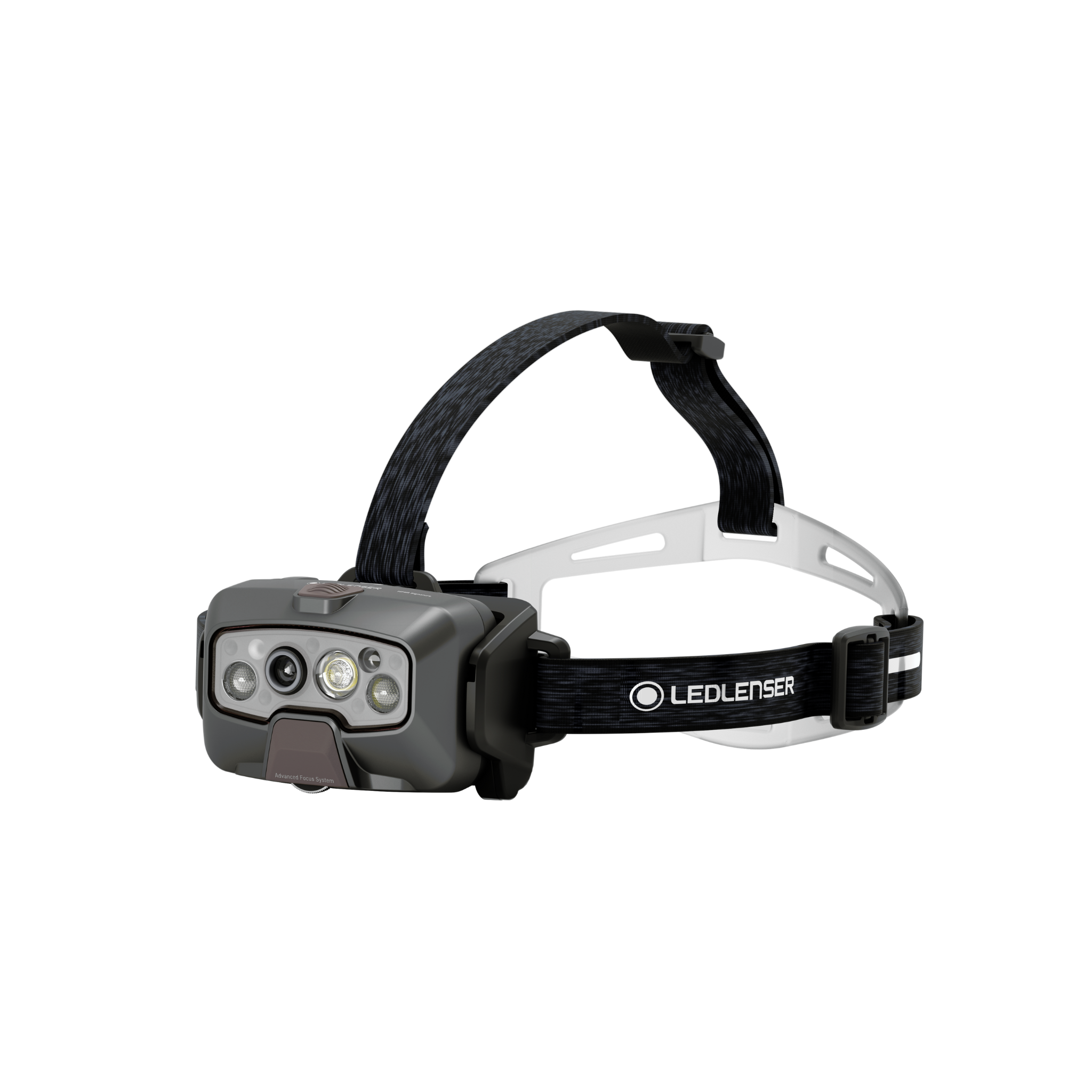
- MH10: 600 lumens, 150 m beam distance, up to 120 hours runtime, IP54. View MH10
Use Cases
In Australia, a headlamp may need to handle coastal humidity, dry dust, winter rain and fast temperature changes. Choose what matches your typical routes and training style.
Road running and urban loops
Prioritise a compact, lightweight model with enough flood to light footpath edges, potholes and uneven kerbs. Lower-to-mid outputs are often ideal for battery efficiency. The NEO1R suits this use case with a lightweight, rechargeable, IP67-rated design.
Trail running
Look for width (to catch rocks and roots at the edges) plus distance (to read terrain earlier on descents). A higher maximum output helps with occasional checks, while an efficient medium mode is key for longer runs. For this role, explore higher-output options in the NEO Series.
Ultra-distance and long training blocks
Comfort and runtime come first. Rear battery designs can feel more stable over hours of movement, and a wide range of modes helps manage battery through changing terrain.
Mixed-use (running + hiking/camping)
If you want one light for multiple activities, an all-round headlamp like the MH10 can be a better crossover choice. For more off-track options, compare Hiking & Trekking Headlamps.
Battery and Charging
A rechargeable headlamp is the simplest option for most runners. The key is understanding how runtime changes with brightness and planning around your longest sessions.
- Plan by mode, not max: Runtime varies significantly by brightness setting.
- Build a charging routine: Top up after each run, and fully charge before night runs or race day.
- Bring a backup plan for remote routes: Consider a power bank or choose a model with more runtime headroom.
- Cold weather reduces performance: Use moderate modes when possible to extend effective runtime.
- Match IP rating to exposure: IP67 (NEO Series) offers stronger protection than splash-resistant designs like IP54 (MH10). For more options, see Waterproof Headlamps.
Design and Build
Comfort is performance. The wrong fit will bounce, create pressure points and force constant adjustments.
- Stability through balance: Rear battery layouts (common in the NEO Series) can reduce forehead pull and help the beam stay steady on uneven ground.
- Real-world durability: Sweat, dust and rain stress buttons, ports and seals—IP ratings should be part of your shortlist.
- Fast, repeatable ergonomics: Simple controls and multiple modes help you adapt mid-run, even with cold hands or gloves.
All purchases are backed by a 7 year warranty for long-term confidence.
Buying Guide and Tips
- Start with where you run: Lit streets favour lightweight comfort; unlit trails favour higher max output and more reach.
- Match lumens to reality: 250–400 lumens covers most road needs; trails benefit from higher ceilings and multiple modes.
- Choose beam distance for your pace: 80–150 m suits most running; up to 200 m helps on darker trails and route finding.
- Decide on battery placement: Rear battery designs can reduce bounce; front-housed designs can suit general outdoor use.
- Prioritise IP rating in bad weather: IP67 for stronger dust/water protection; IP54 for splash resistance.
Browse Head Torches, narrow to Waterproof Headlamps or Hiking & Trekking Headlamps, then compare key models like the NEO1R and MH10, or explore the full NEO Series.
Frequently Asked Questions
What is the best headlamp for running?
The best option is the one that stays stable, suits your route and gives you usable beam control. For a running-first design, the NEO Series is built for fast movement with a rear battery layout and IP67 rating. For lightweight road and path runs, the NEO1R is a strong option at 39 g with 250 lumens and an 80 m range.
How many lumens do I need for a running headlamp?
Most runners are well served by 250–400 lumens for road running and shared paths, depending on ambient light. For darker trails, higher output helps with scanning ahead, but mid modes are typically the most efficient for sustained running.
Should I choose a running headlamp with a rear battery?
A rear battery can improve balance and reduce bounce because weight is distributed front-to-back. Many runners prefer this layout (common in the NEO Series). A front-housed design can still work well, especially if you want a more general outdoor profile like the MH10.
Are Ledlenser running headlamps waterproof?
Water resistance depends on the model and its IP rating. The NEO Series is rated IP67 for strong dust and water protection. The MH10 is rated IP54 for splash resistance. For more wet-weather options, see Waterproof Headlamps.
What is the expected battery life on a full charge?
Battery life depends on the model and brightness mode. The NEO1R runs up to 15 hours, while higher capacity models like the NEO9R can run up to 120 hours on low output. The MH10 also provides up to 120 hours runtime. For long runs, plan around your preferred mode rather than maximum output.
How do I register my Ledlenser product to get the 7 year warranty?
Register your product online within the required window and keep your proof of purchase. Registration links and instructions are available on the Warranty Registration page.
What is the minimum order for free shipping in Australia?
Free shipping applies to orders over $149 in Australia. See Shipping details.