

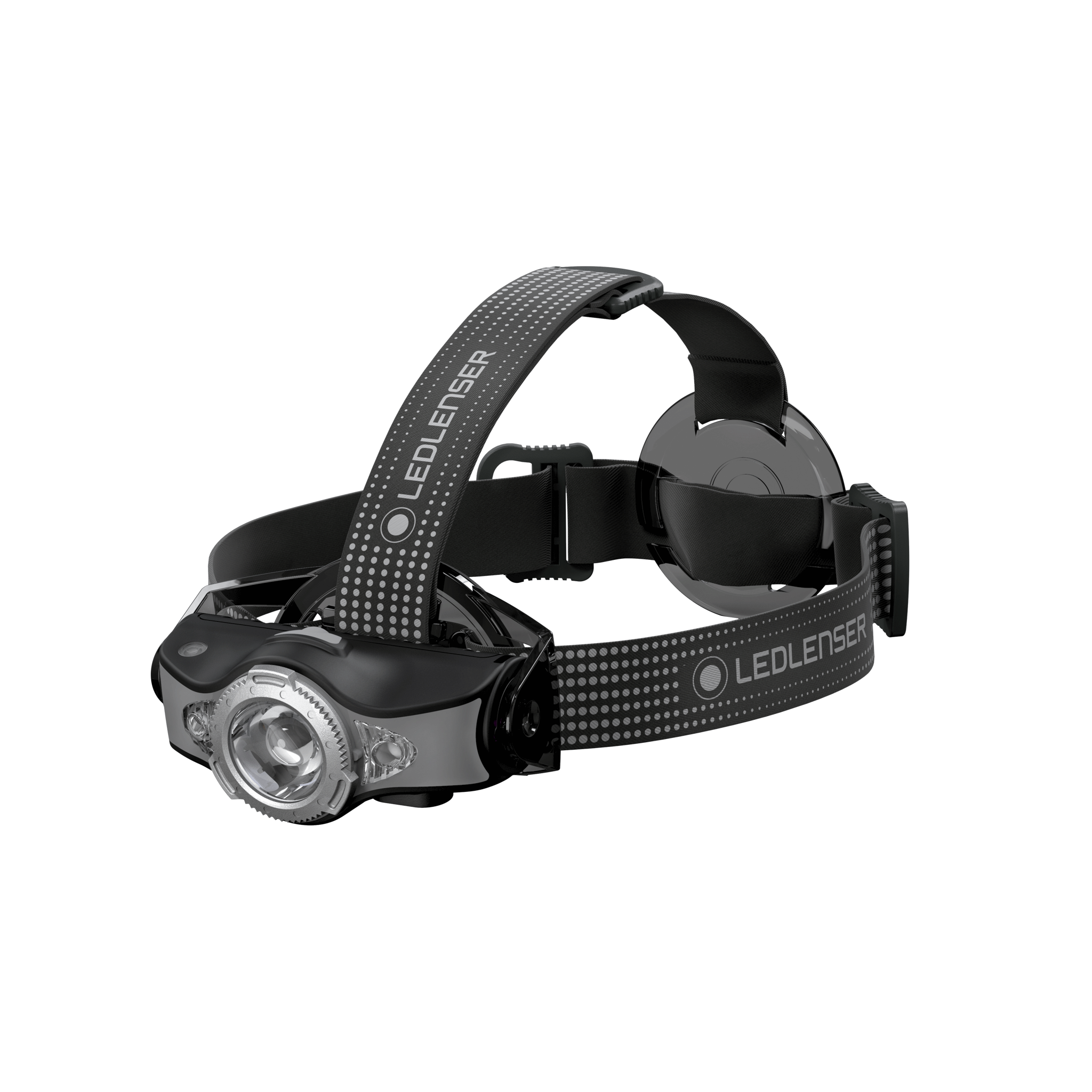
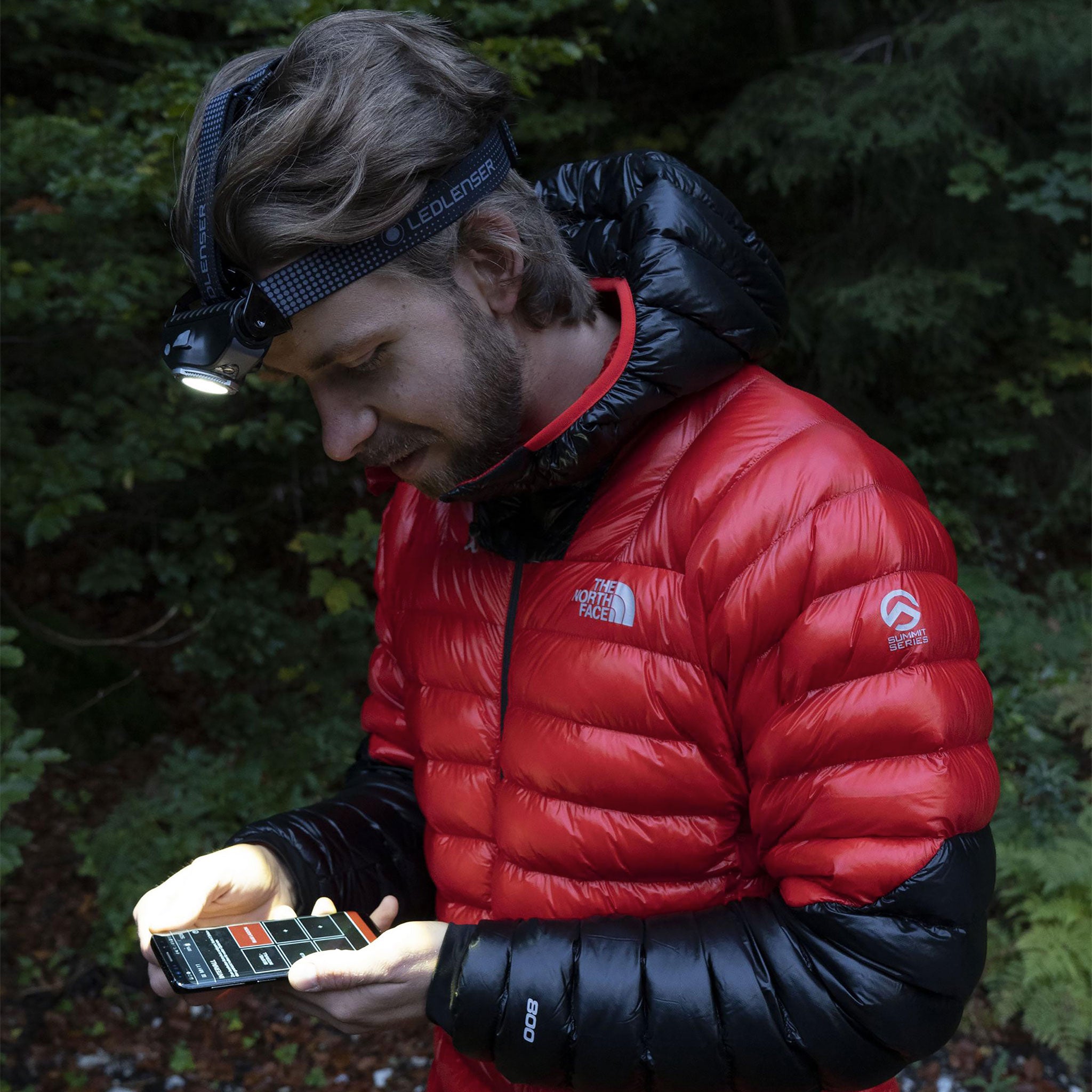
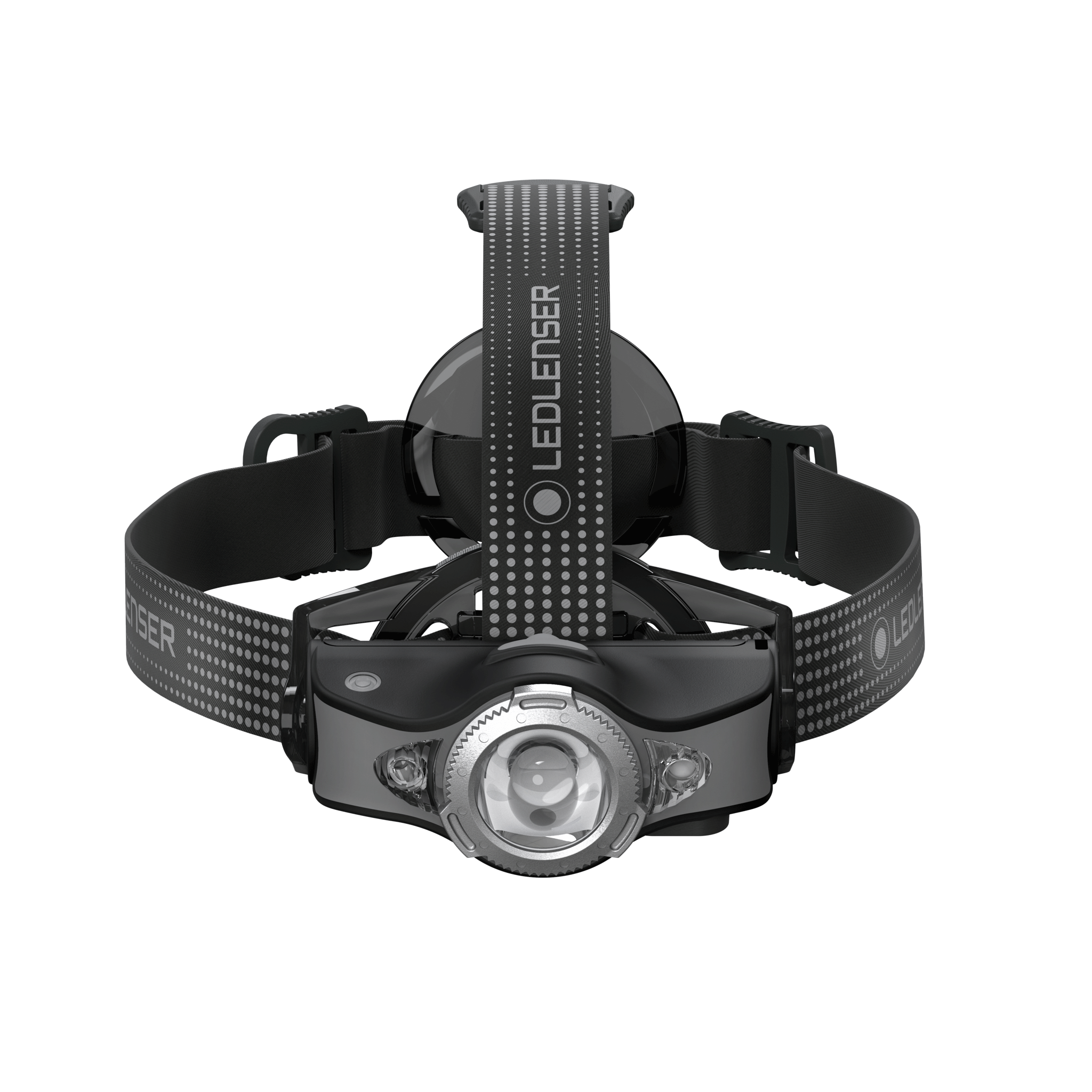
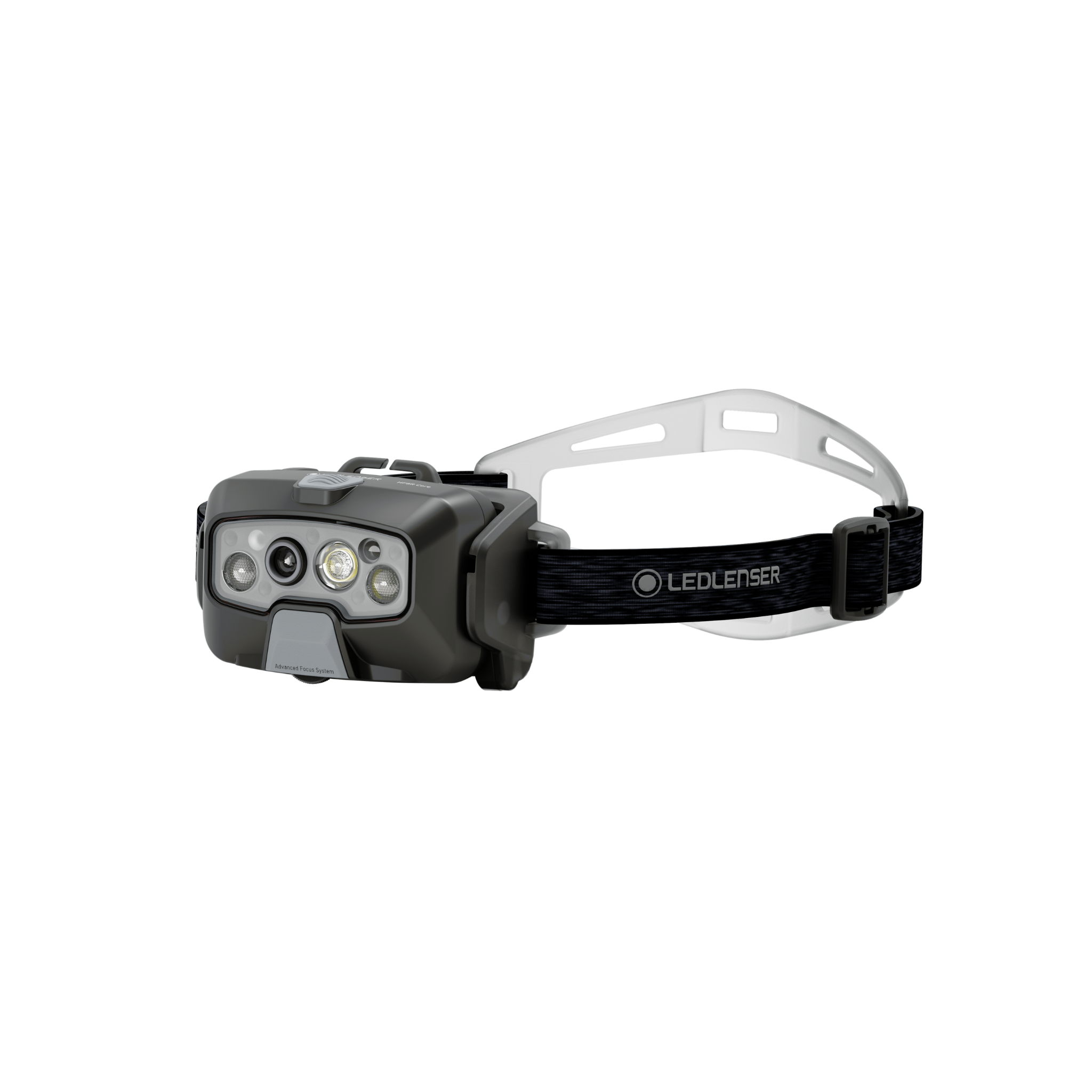

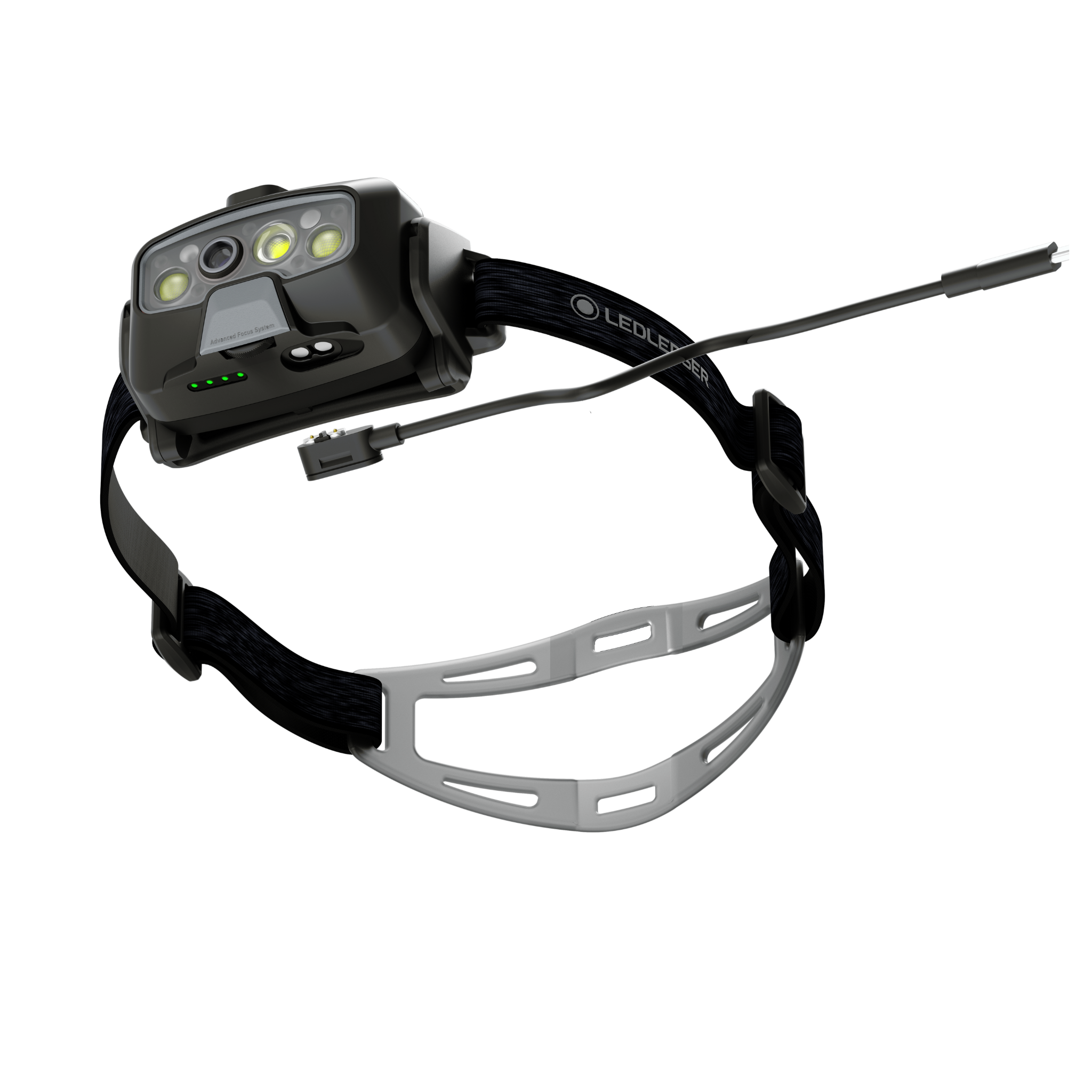
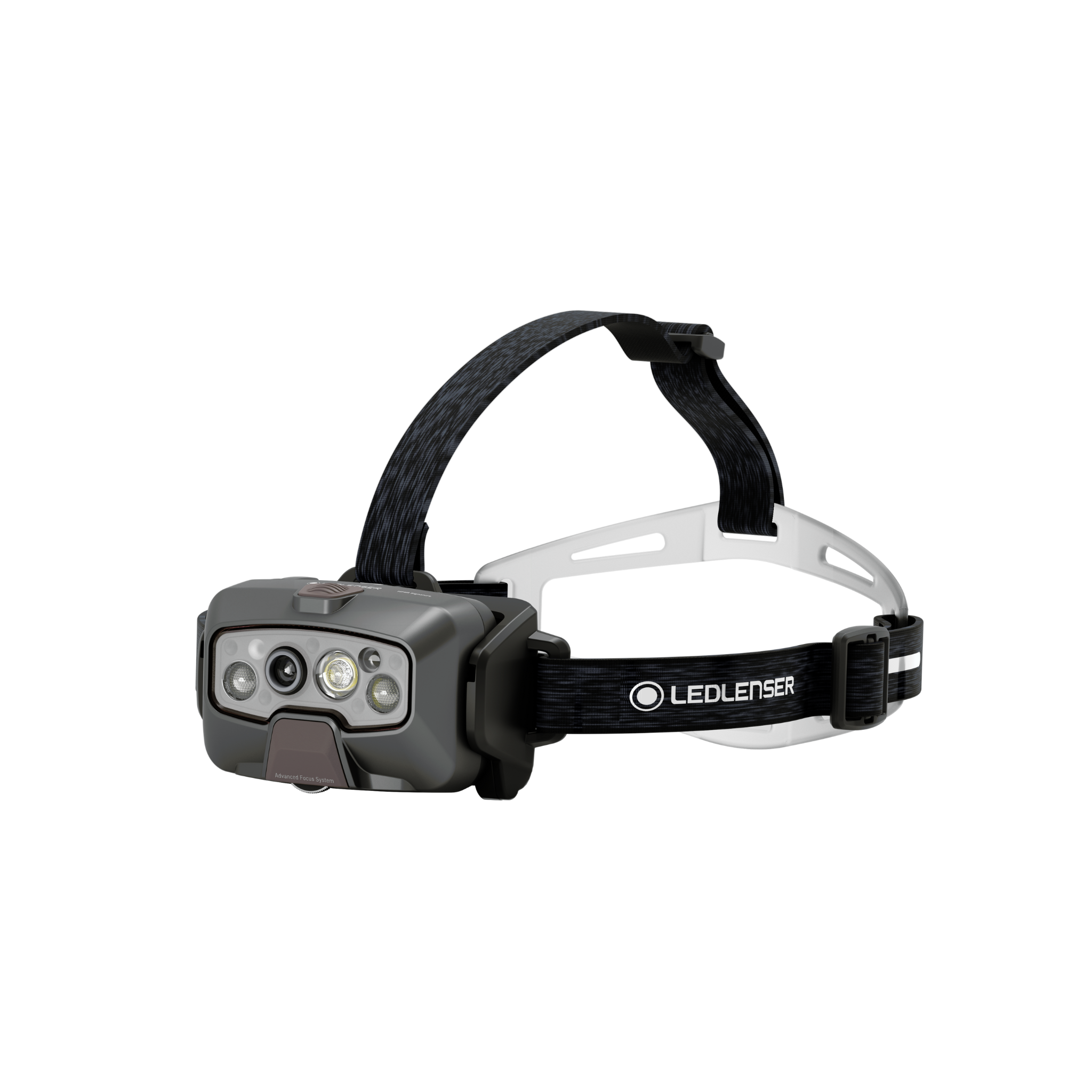
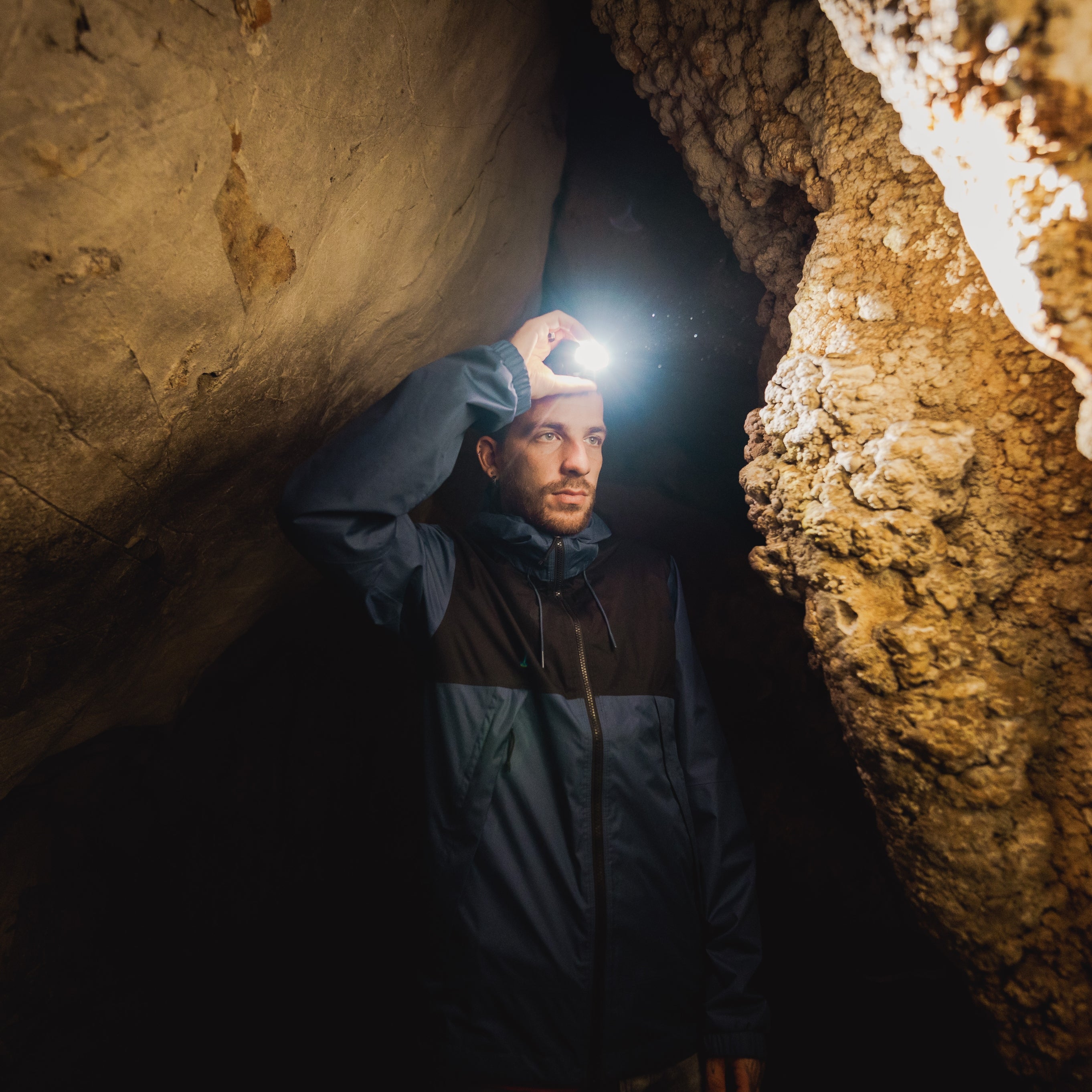
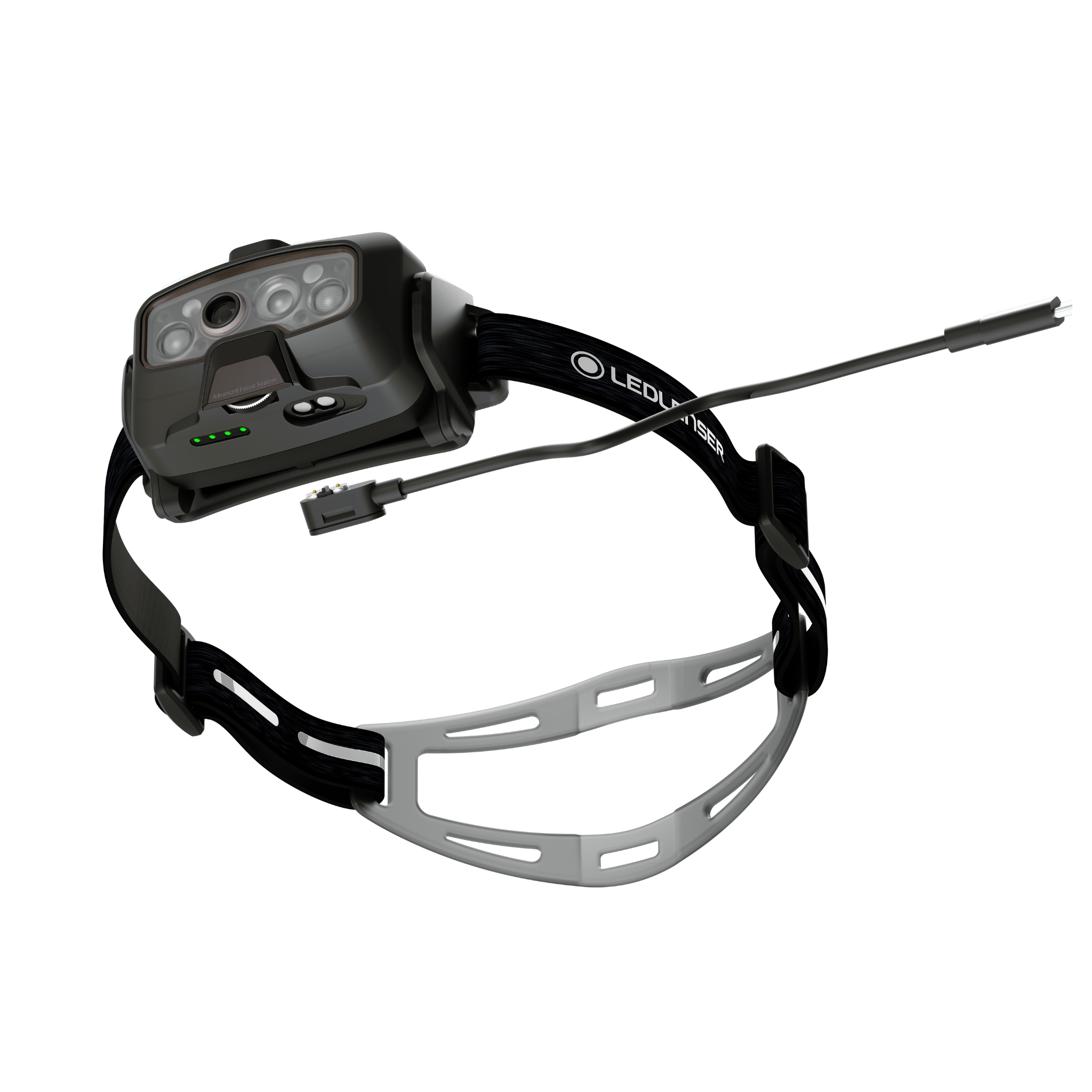
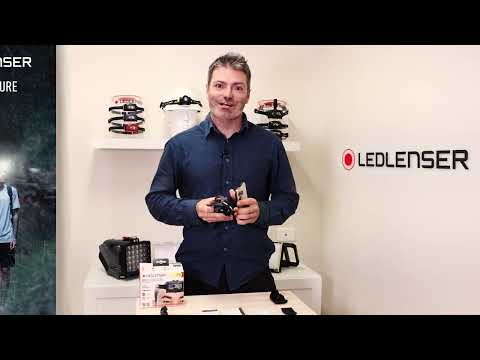
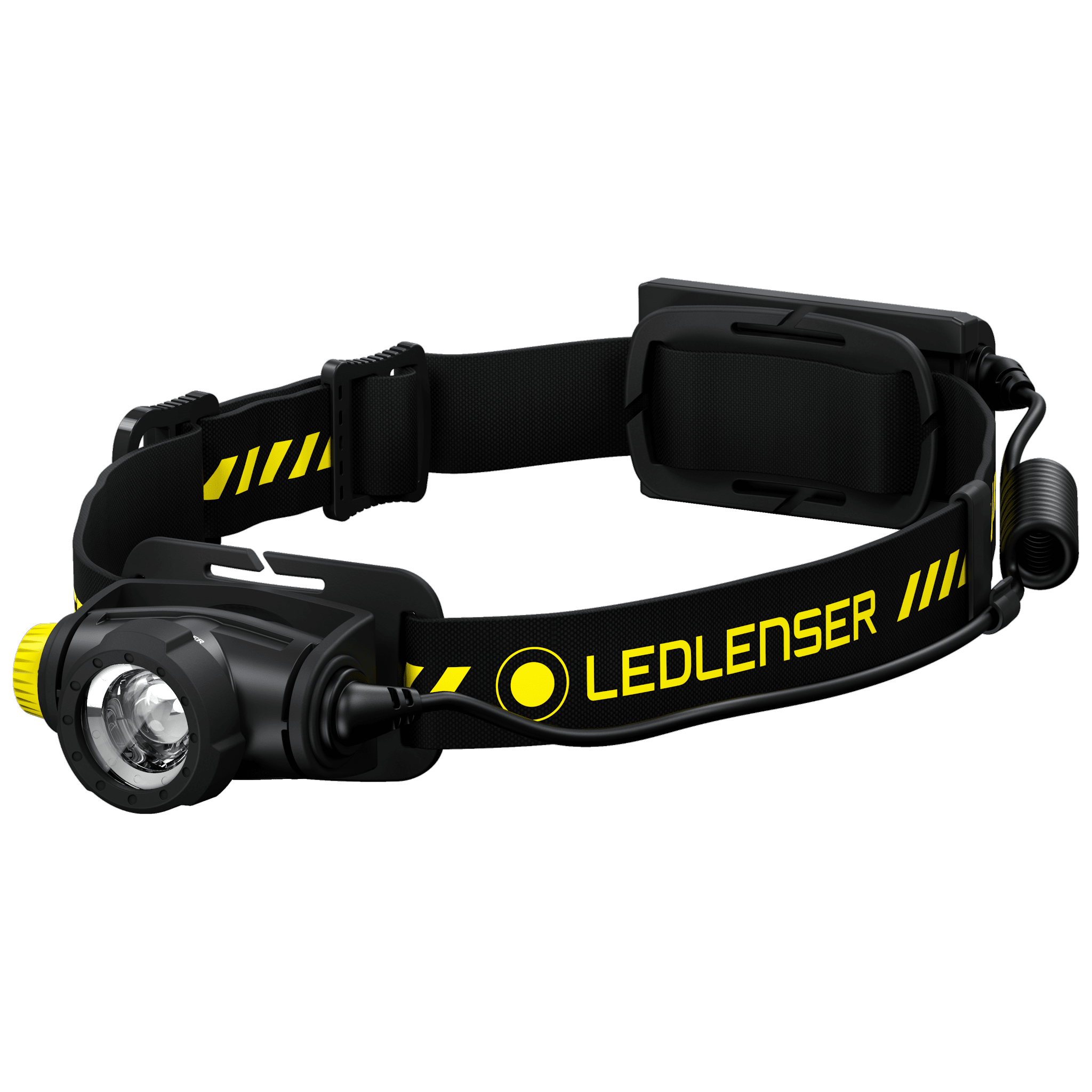
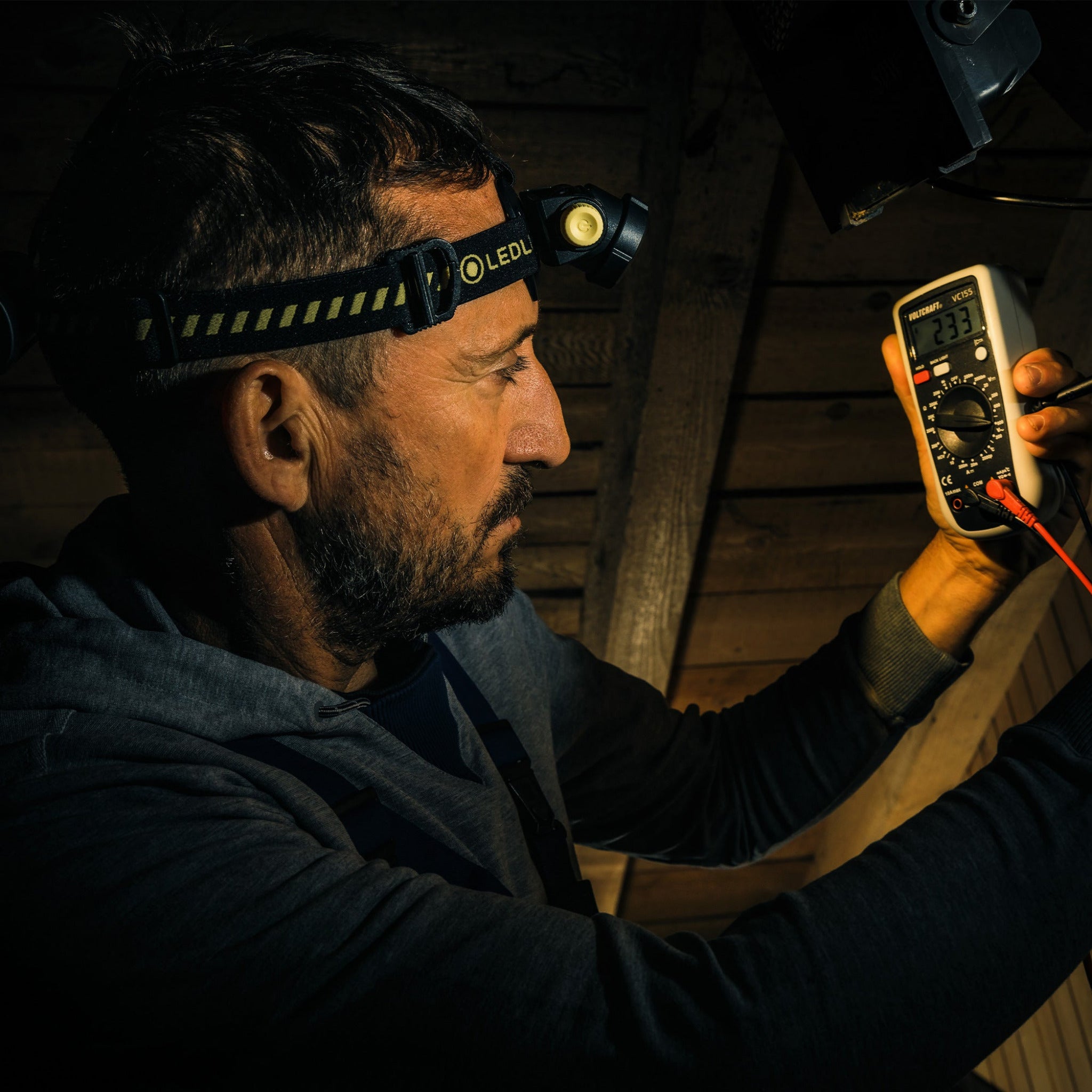
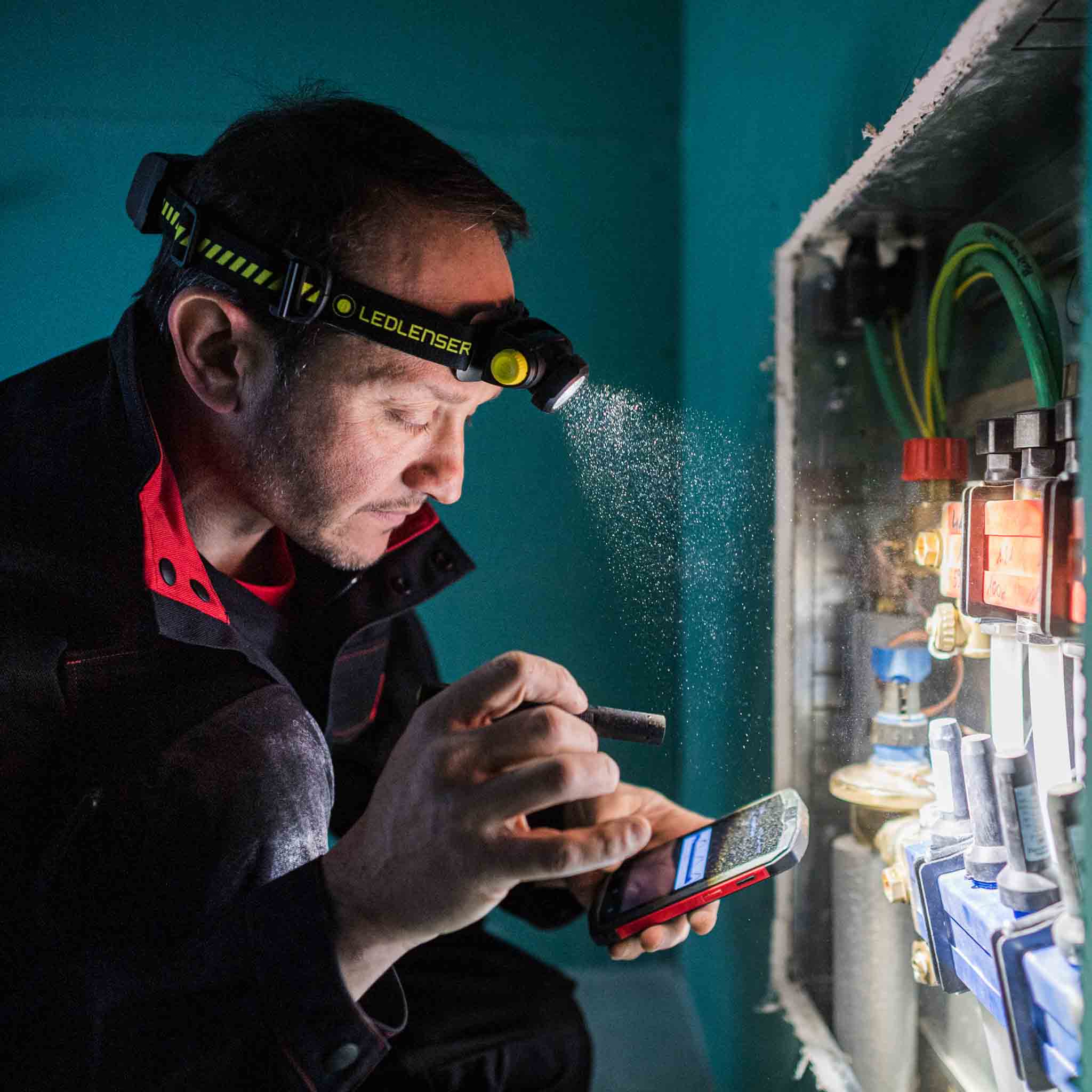
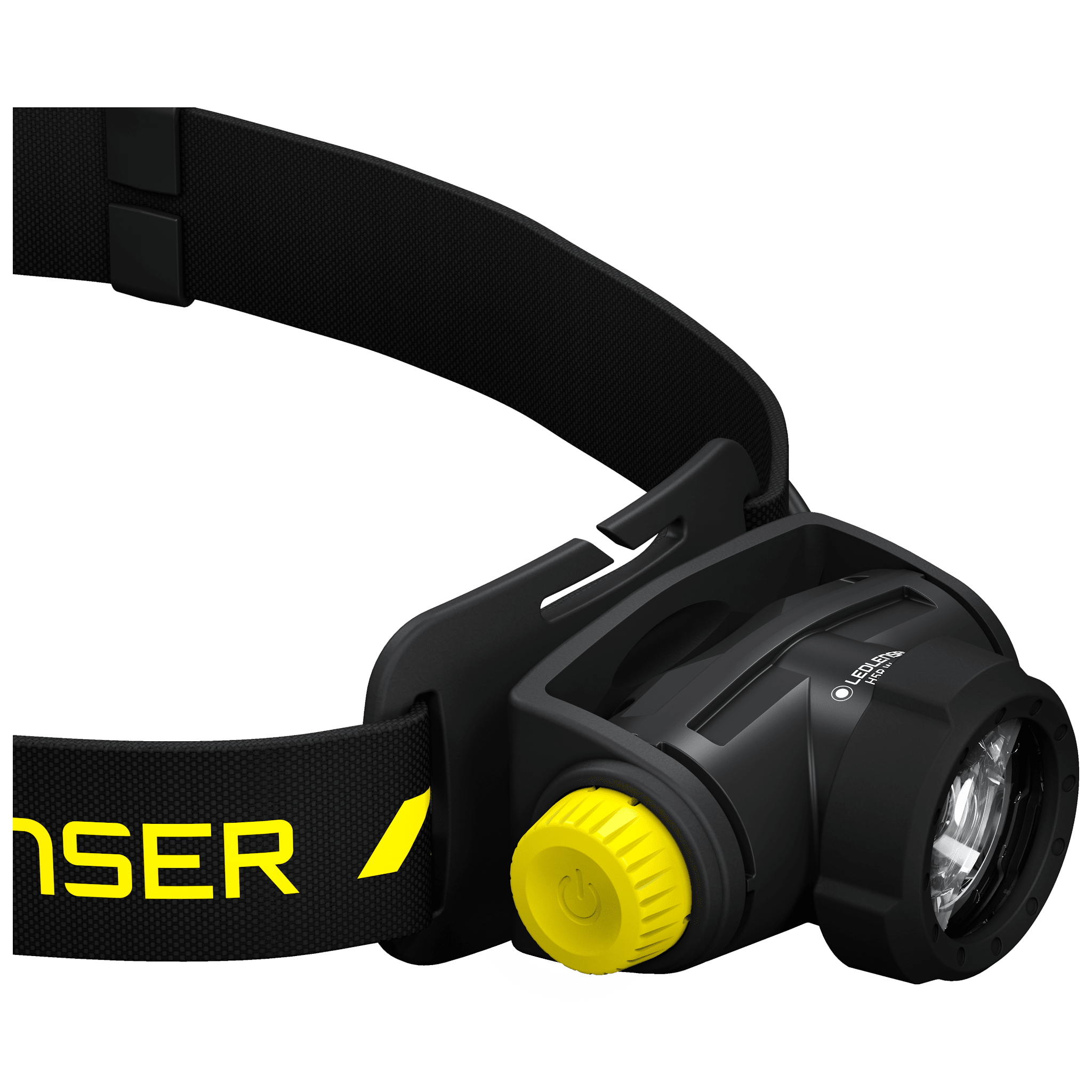
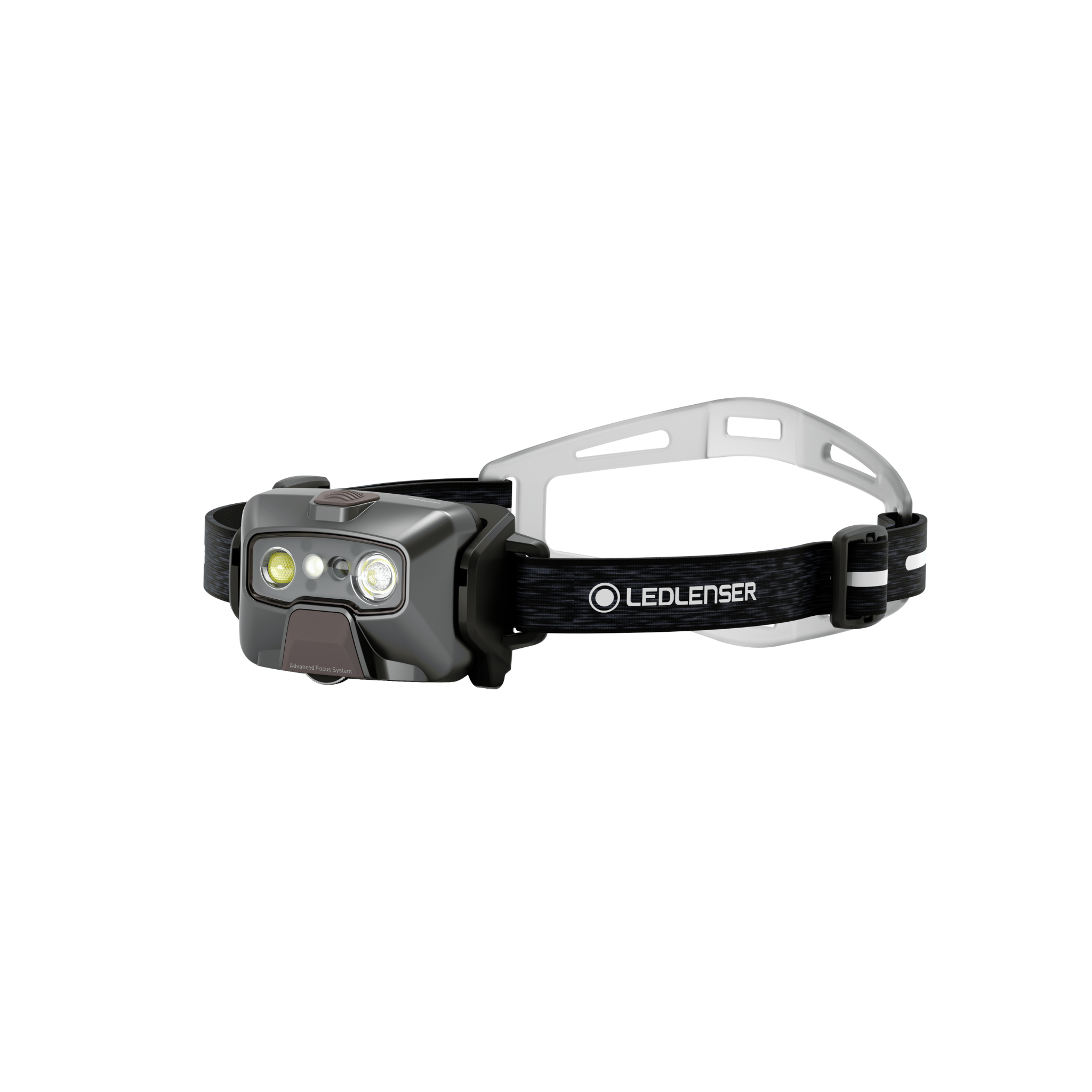

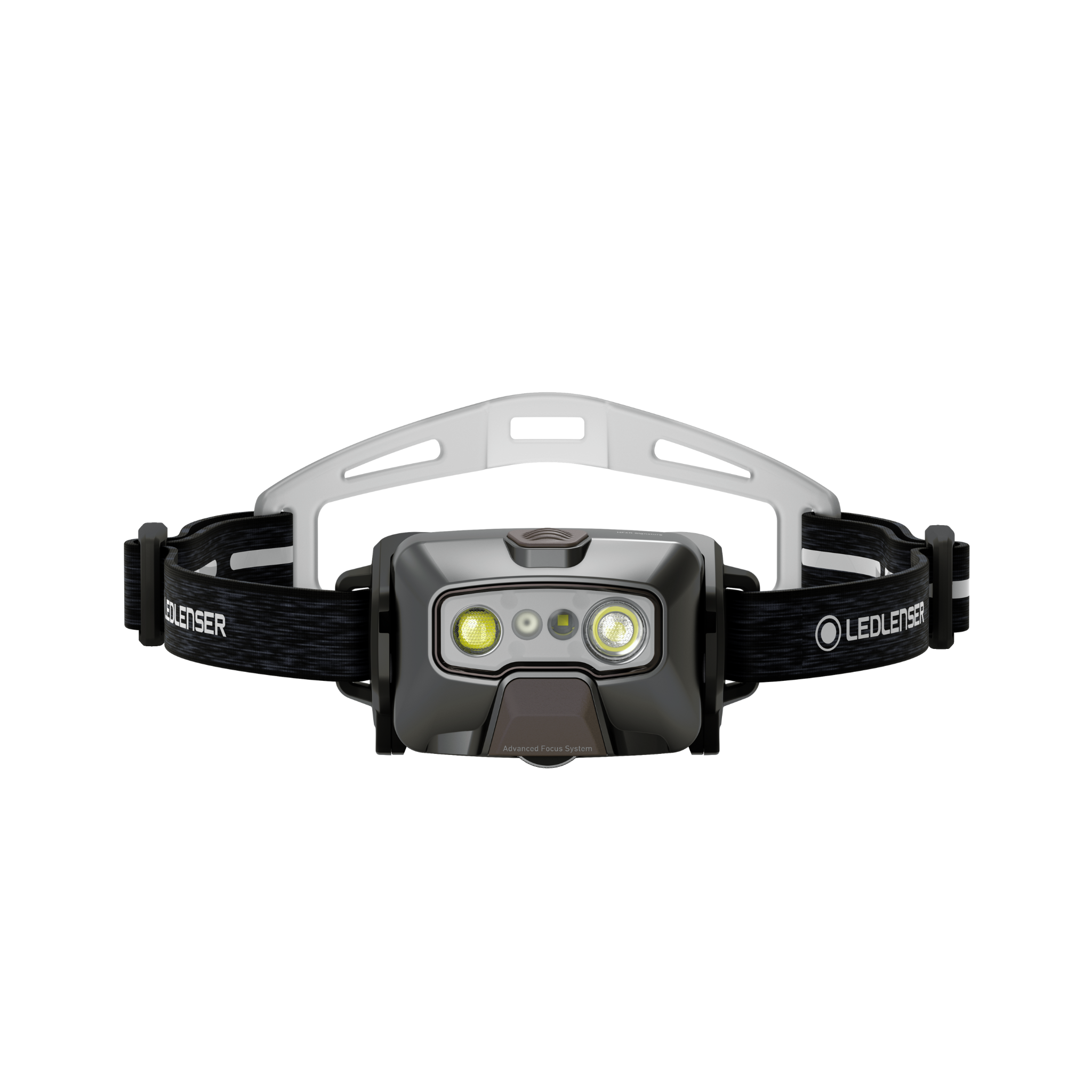

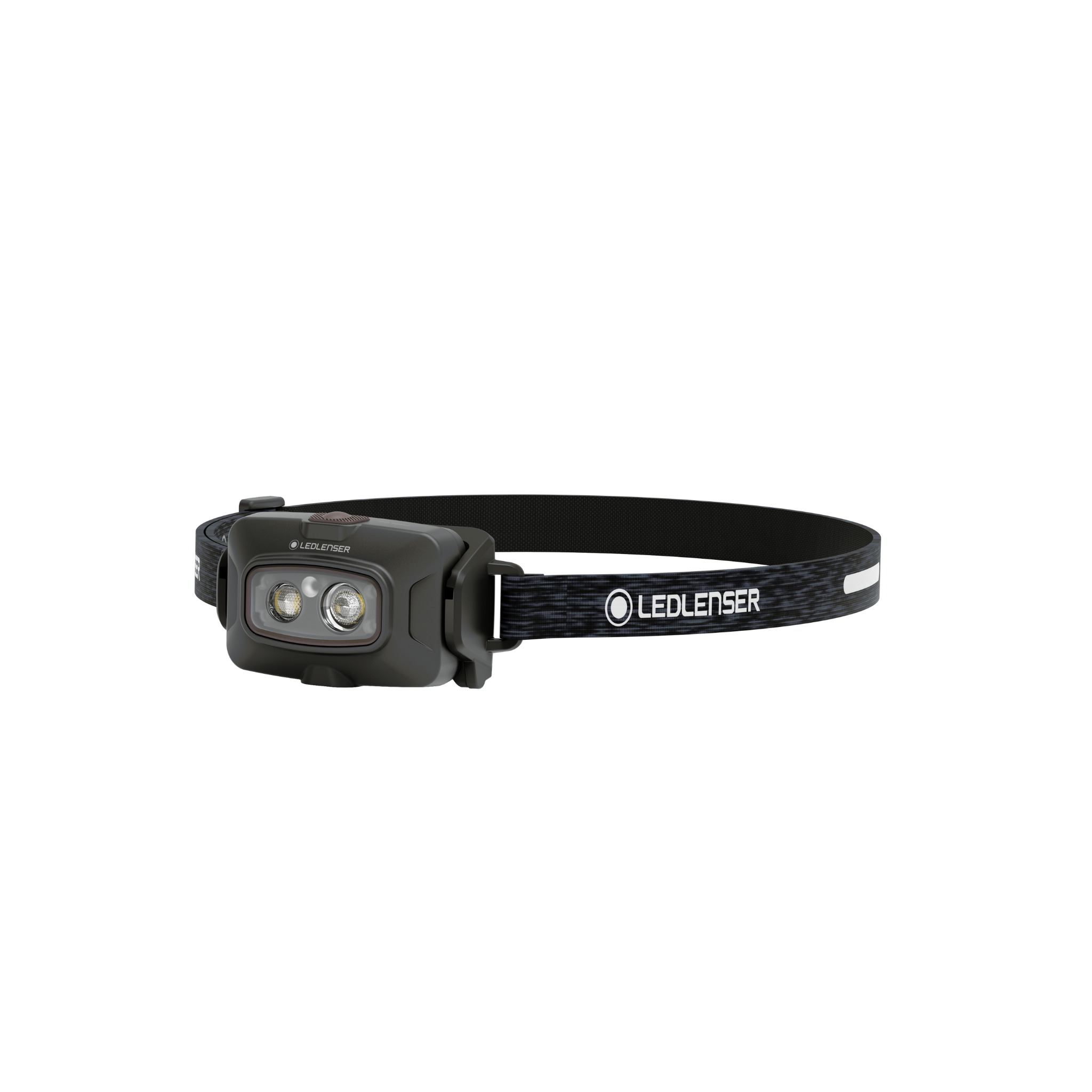

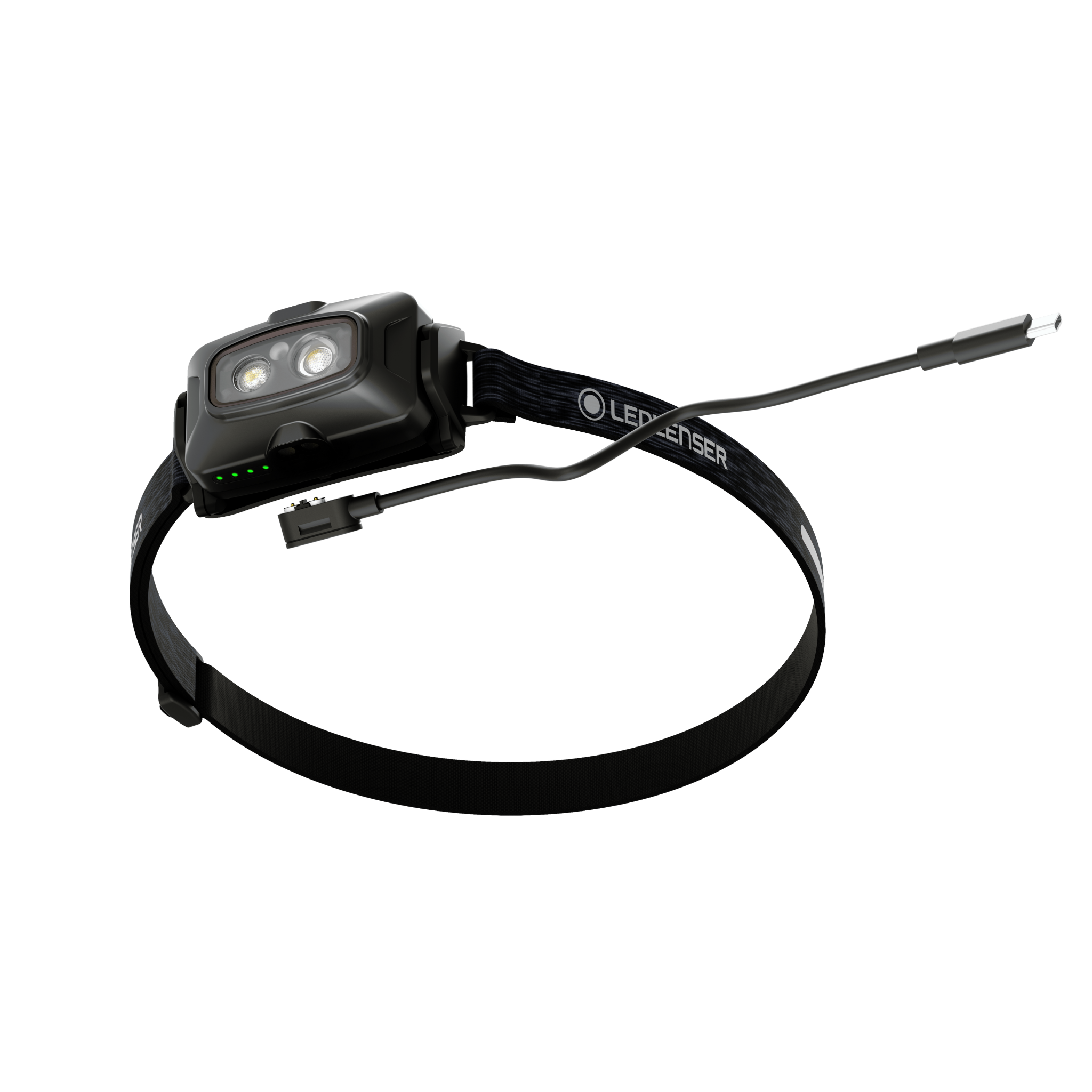
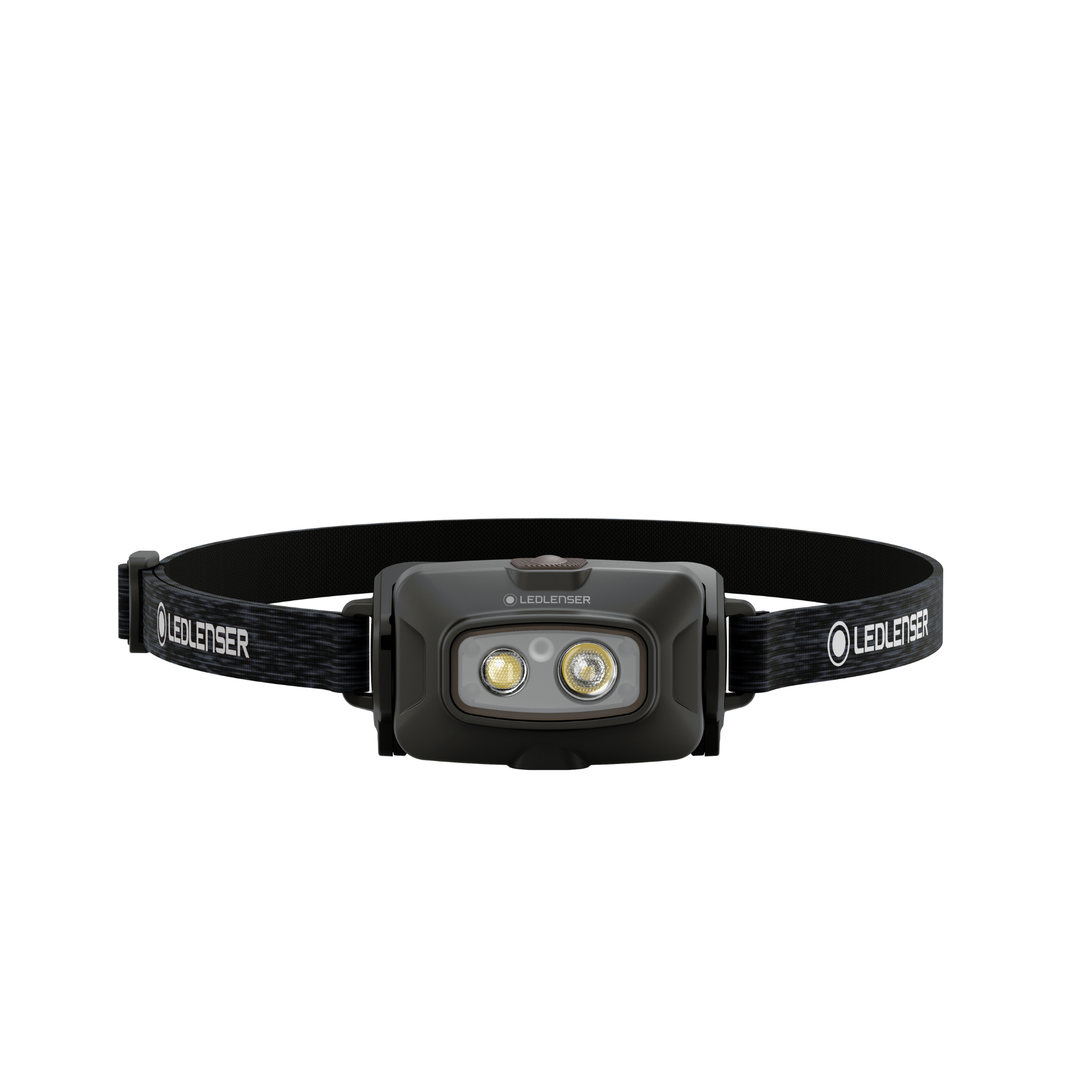
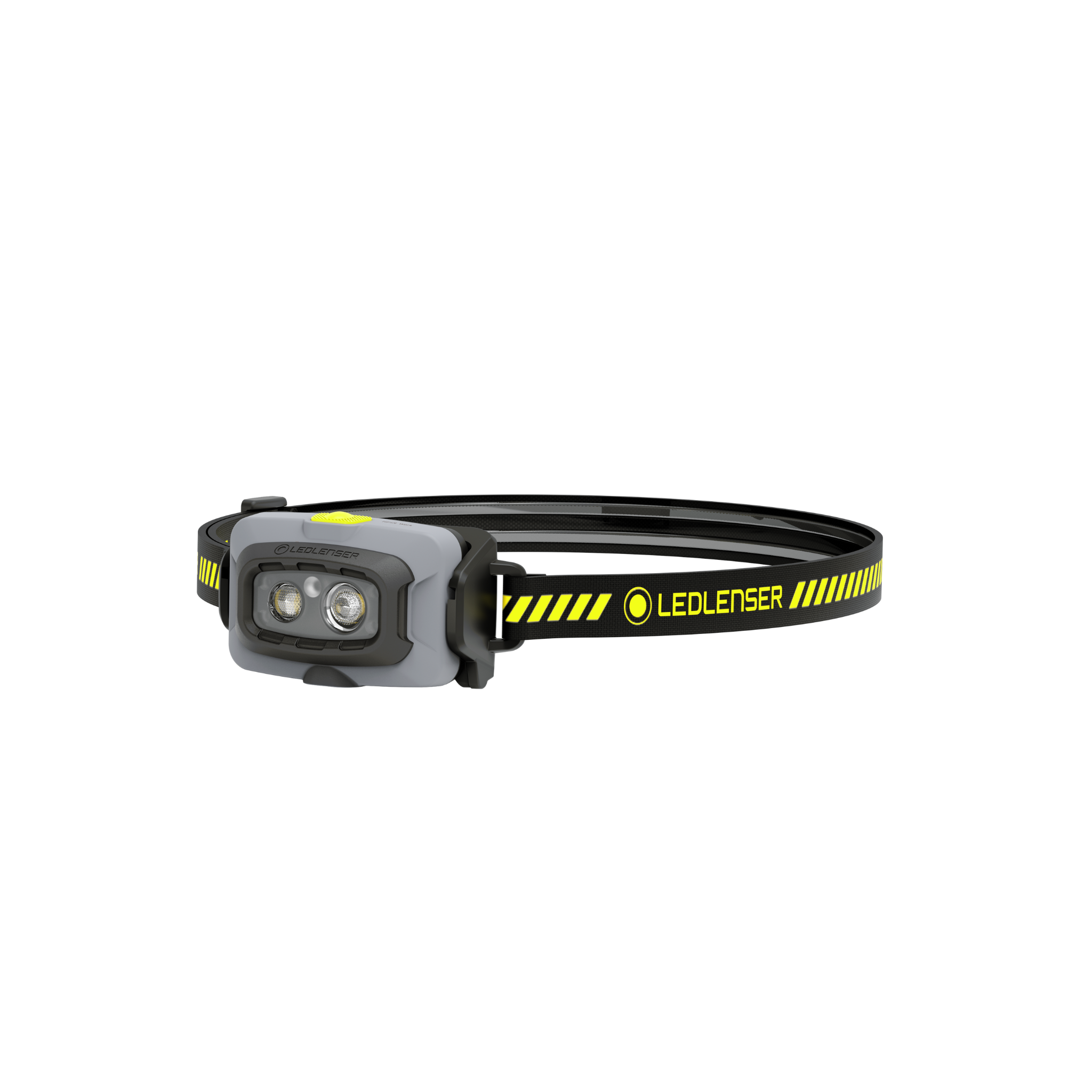
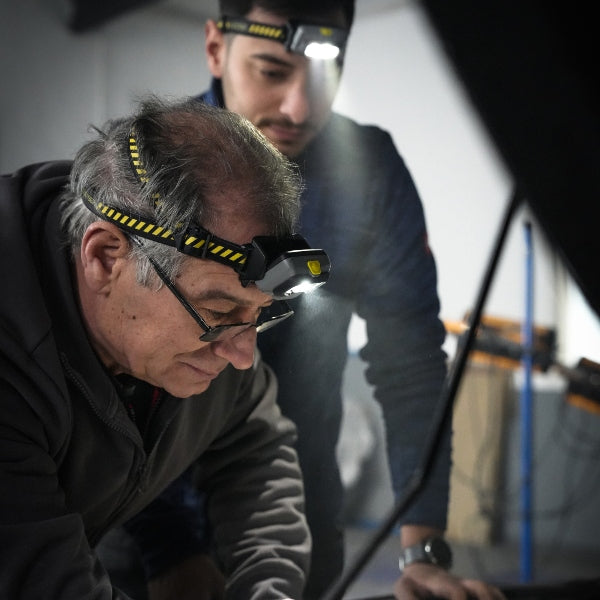
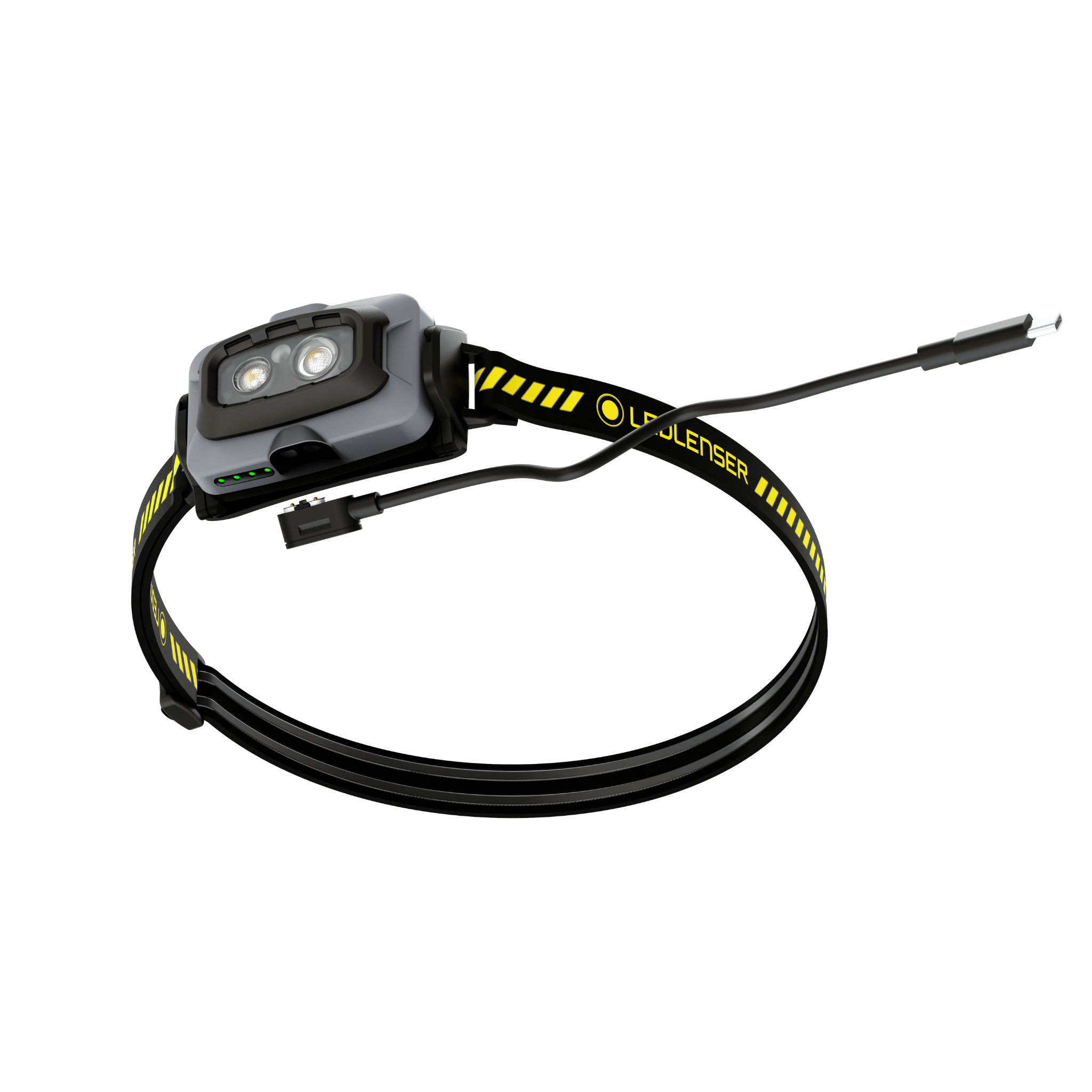
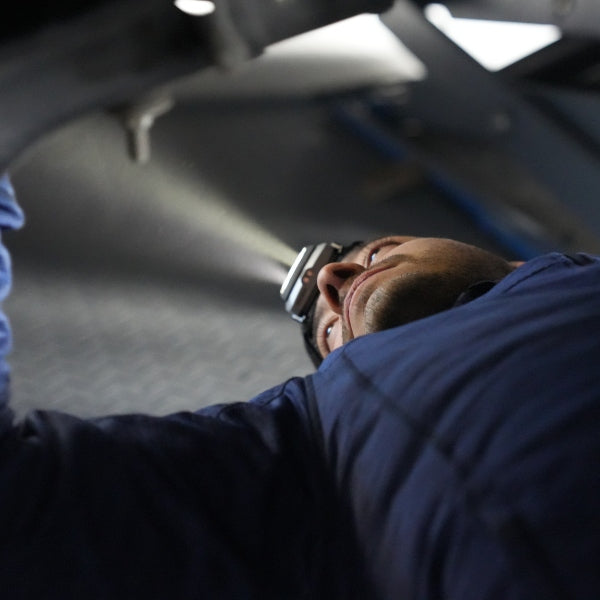
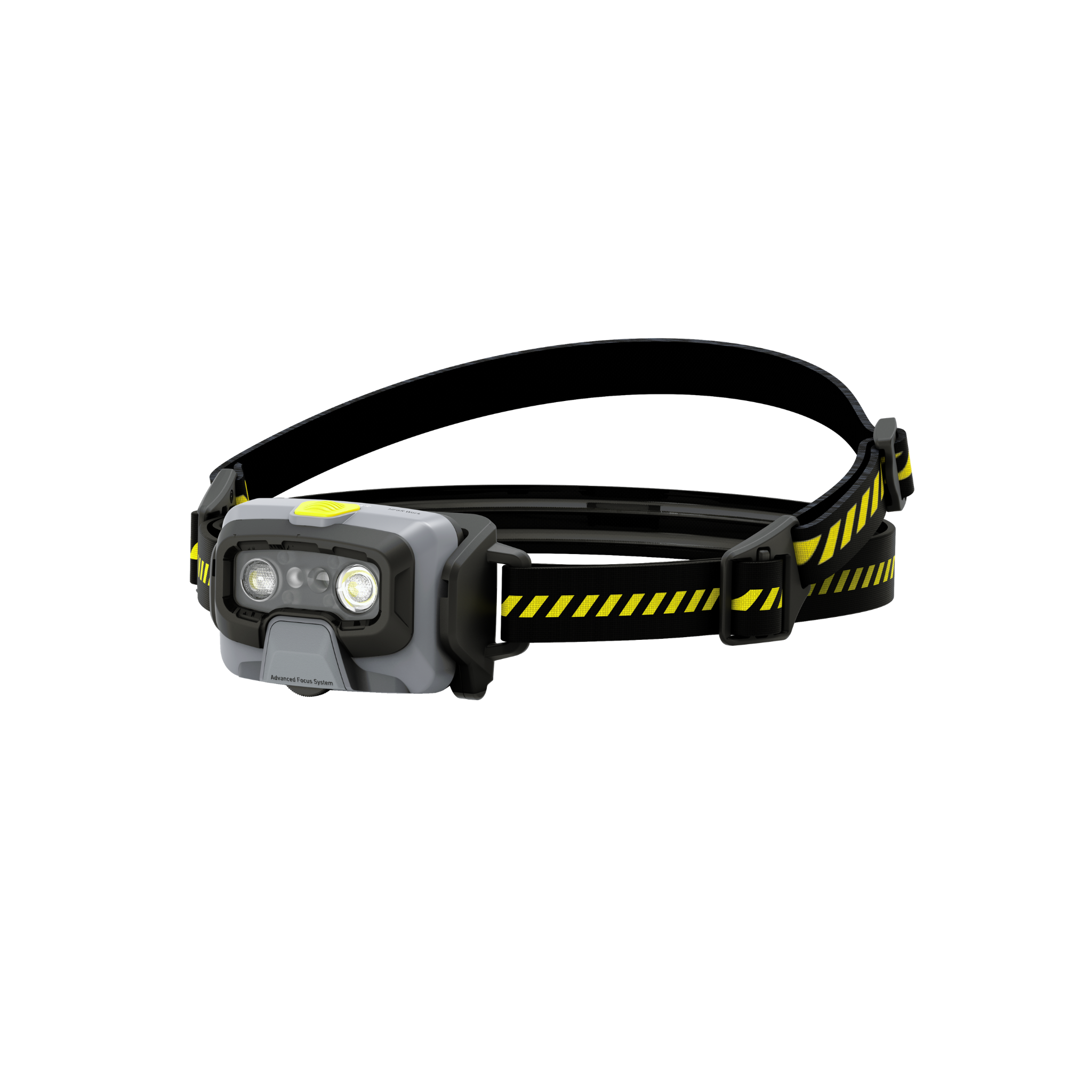
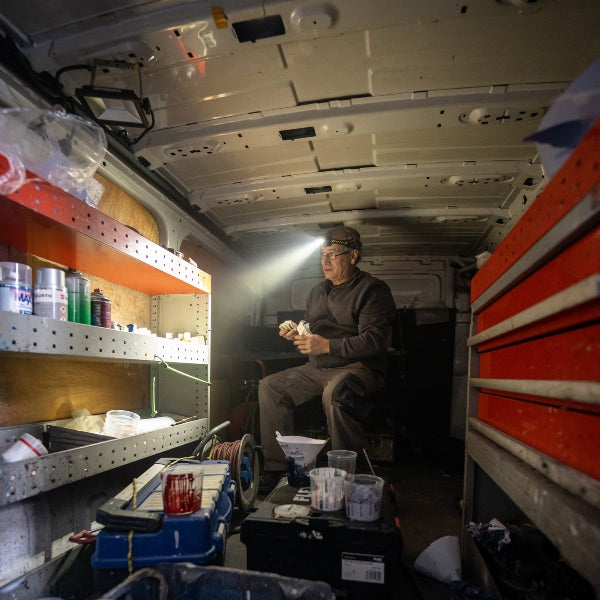
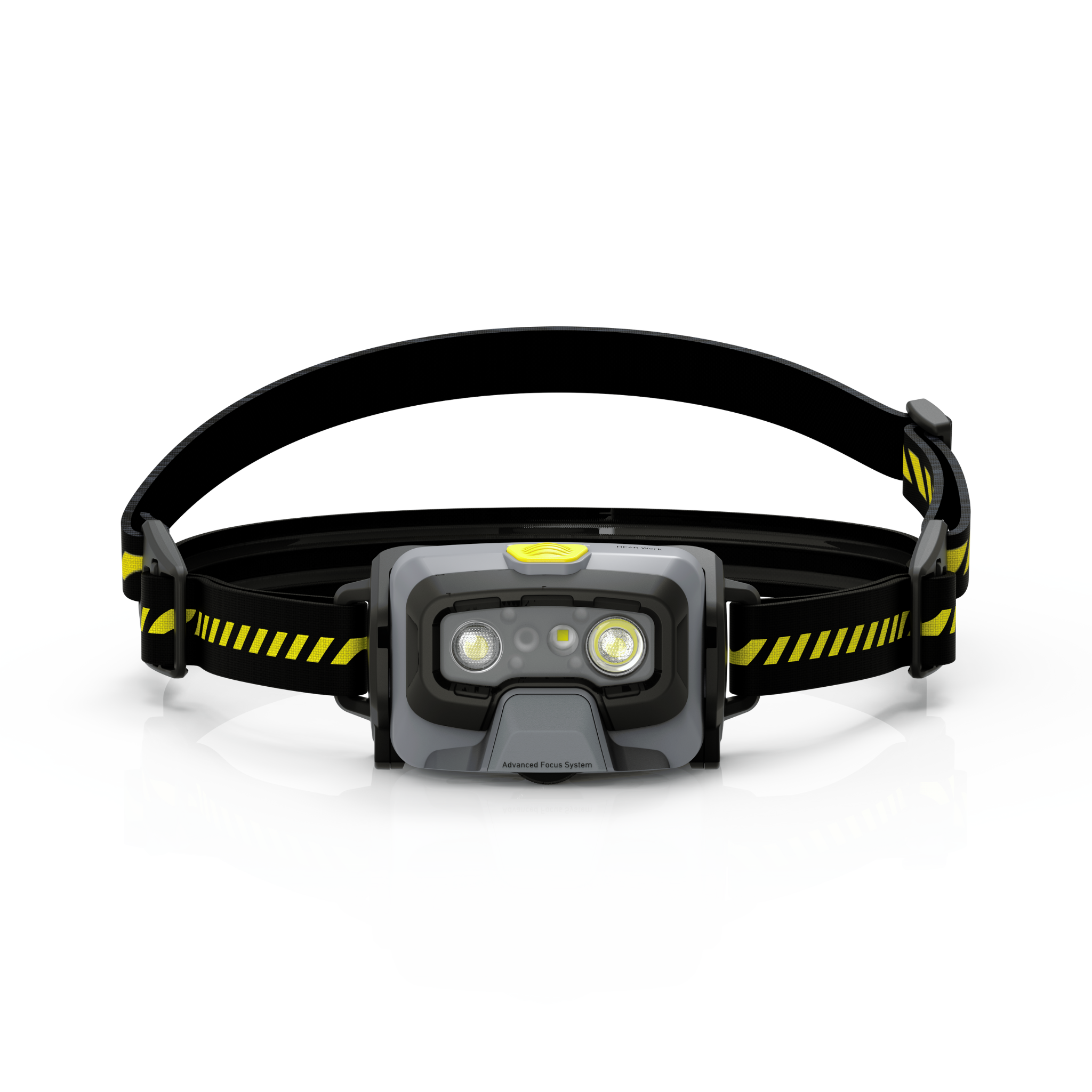
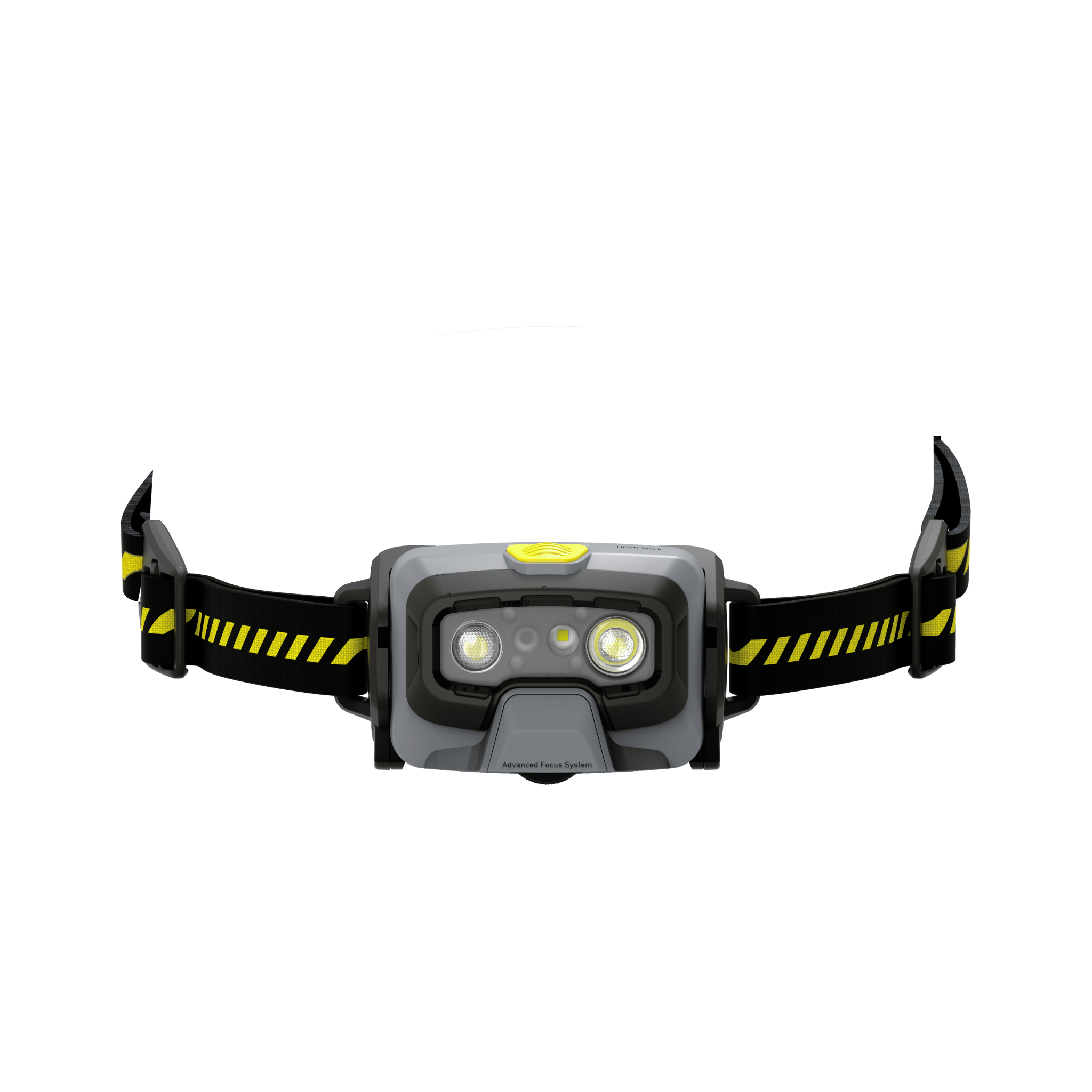
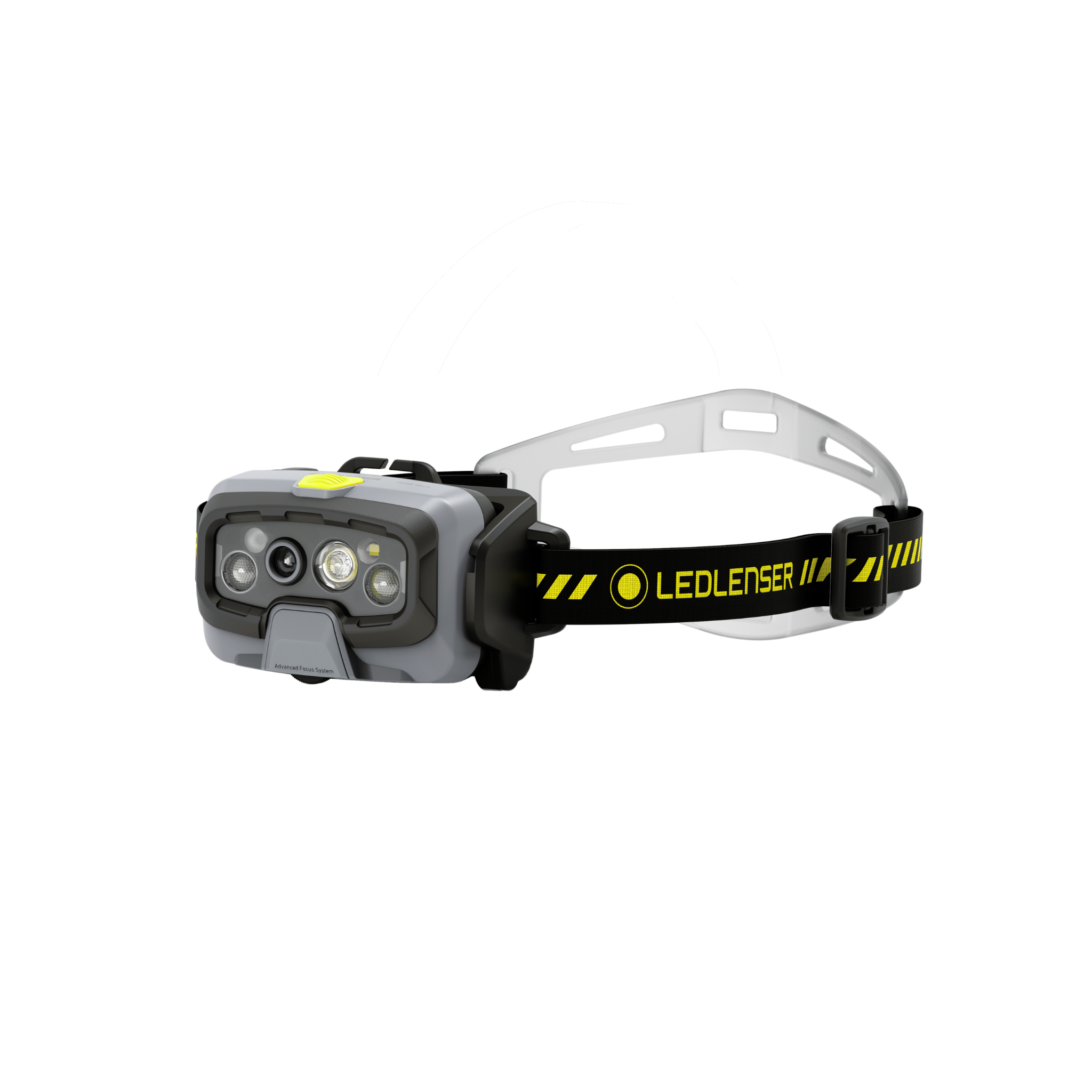
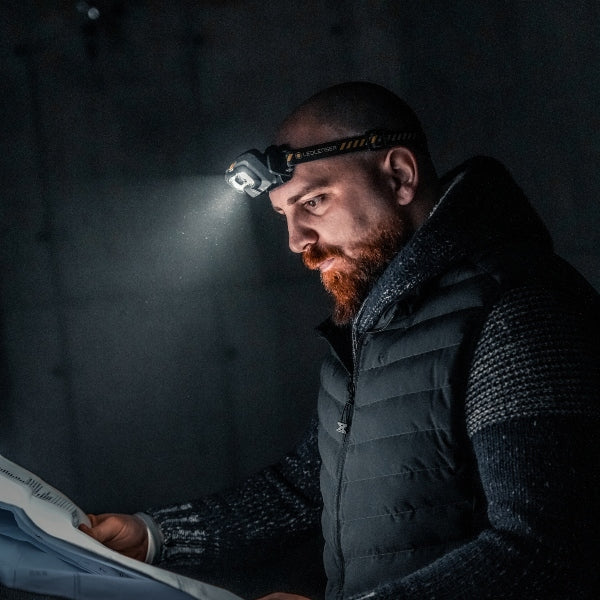
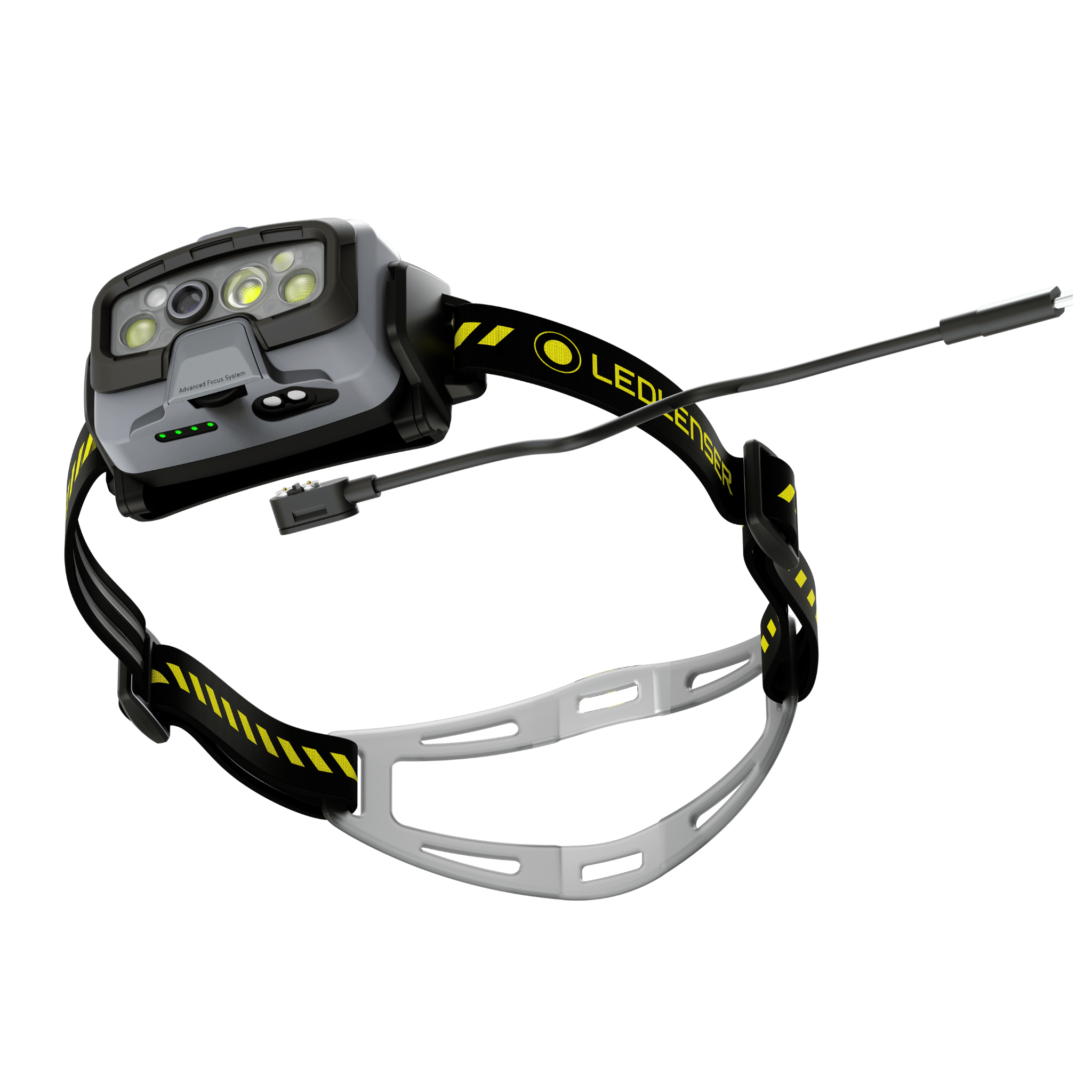
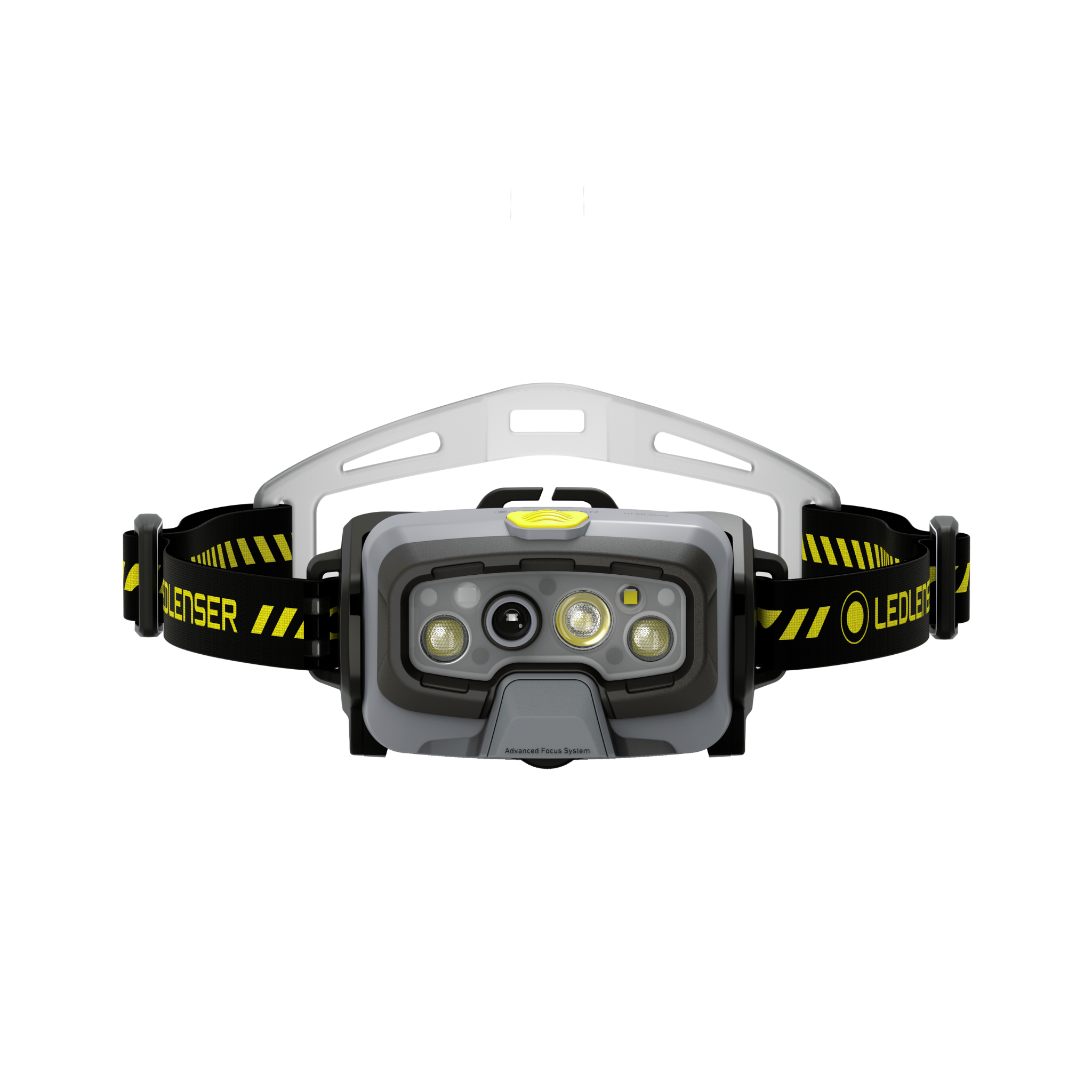
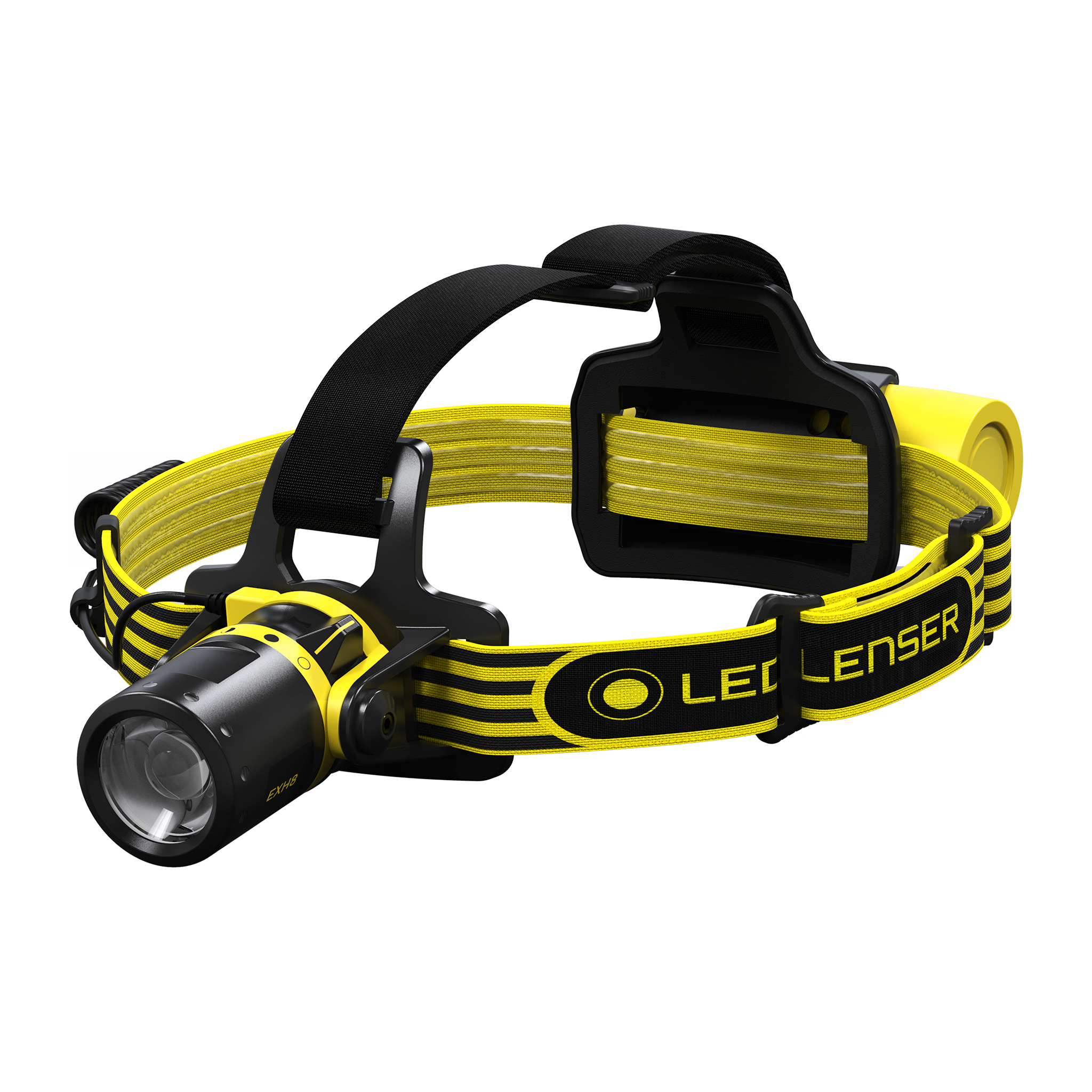
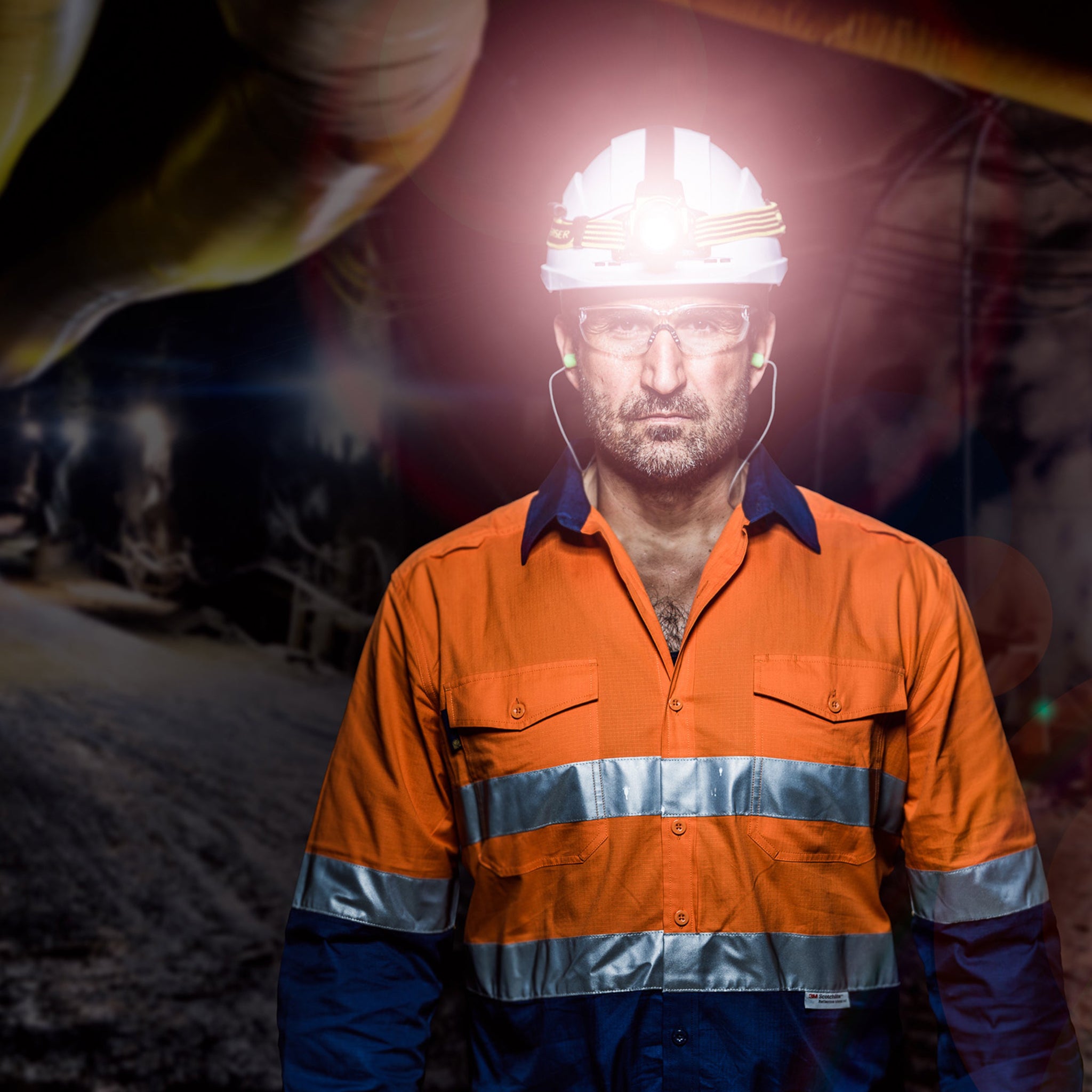
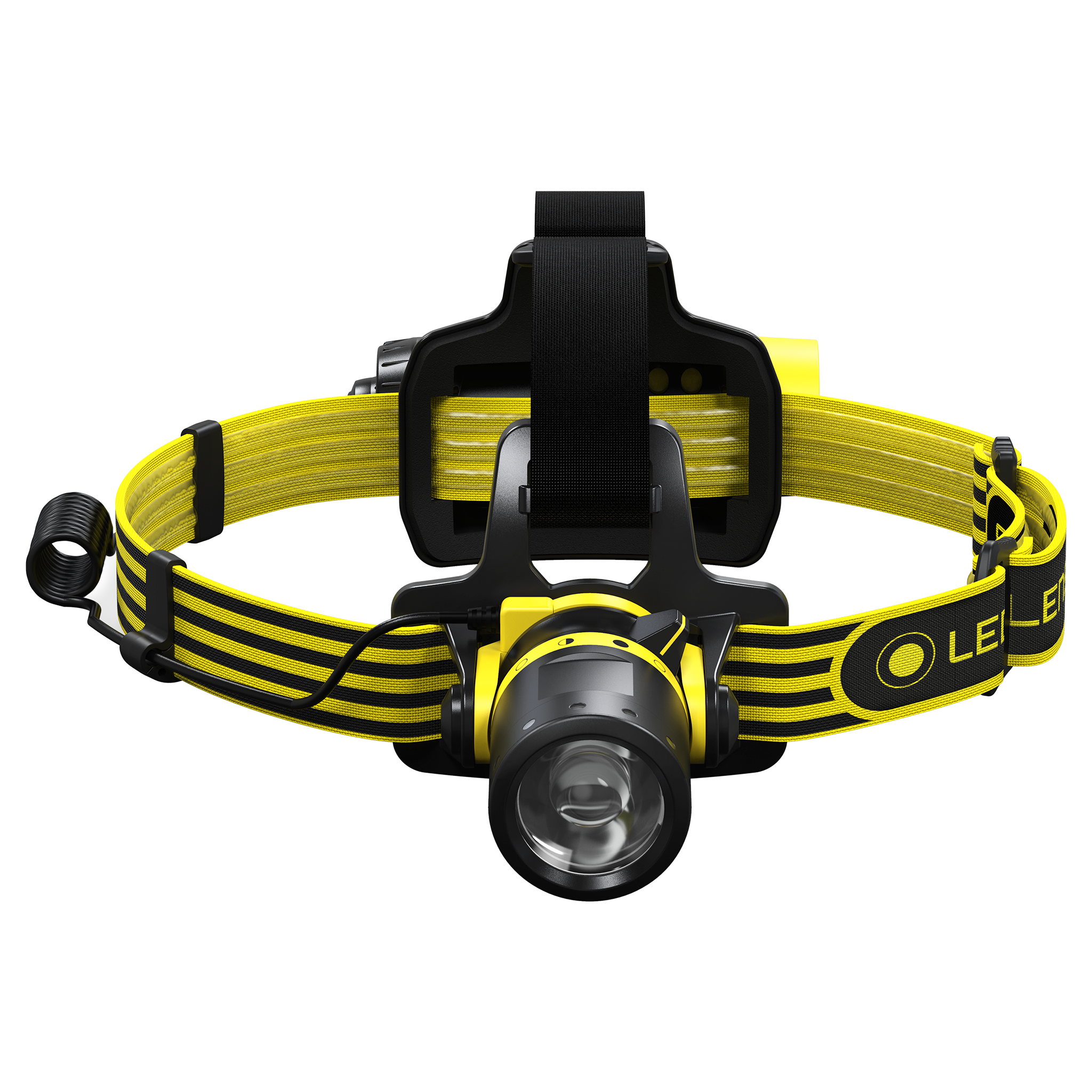
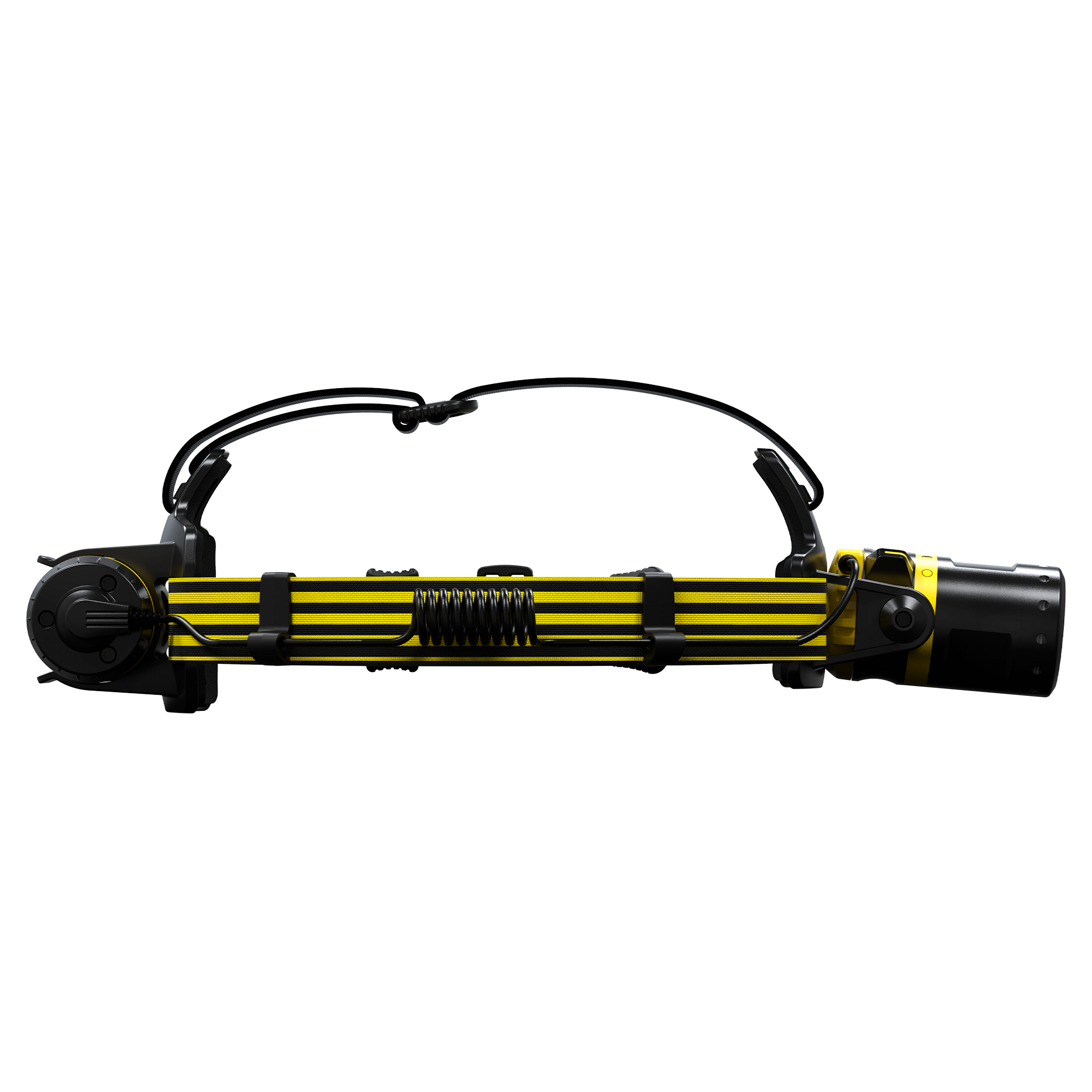
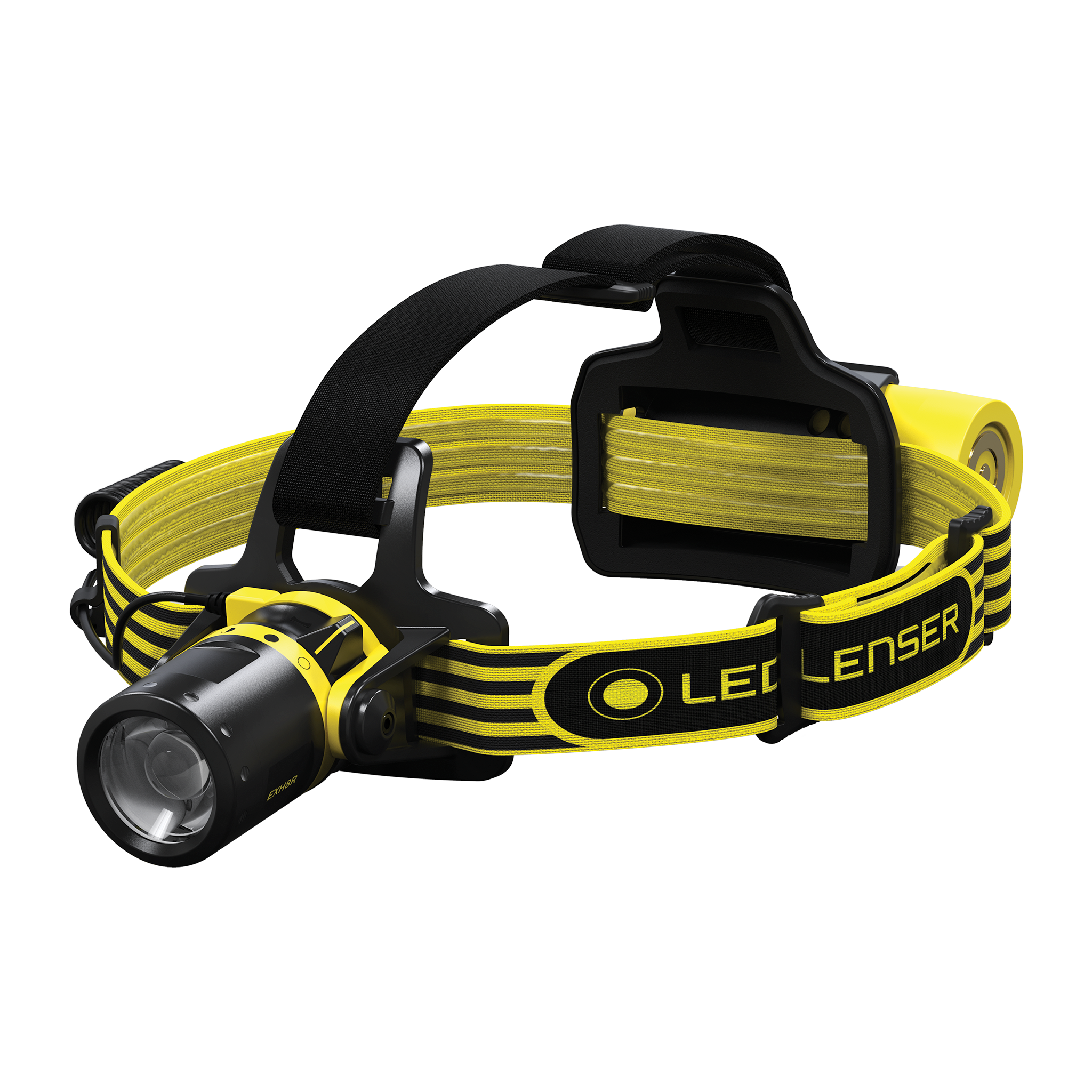
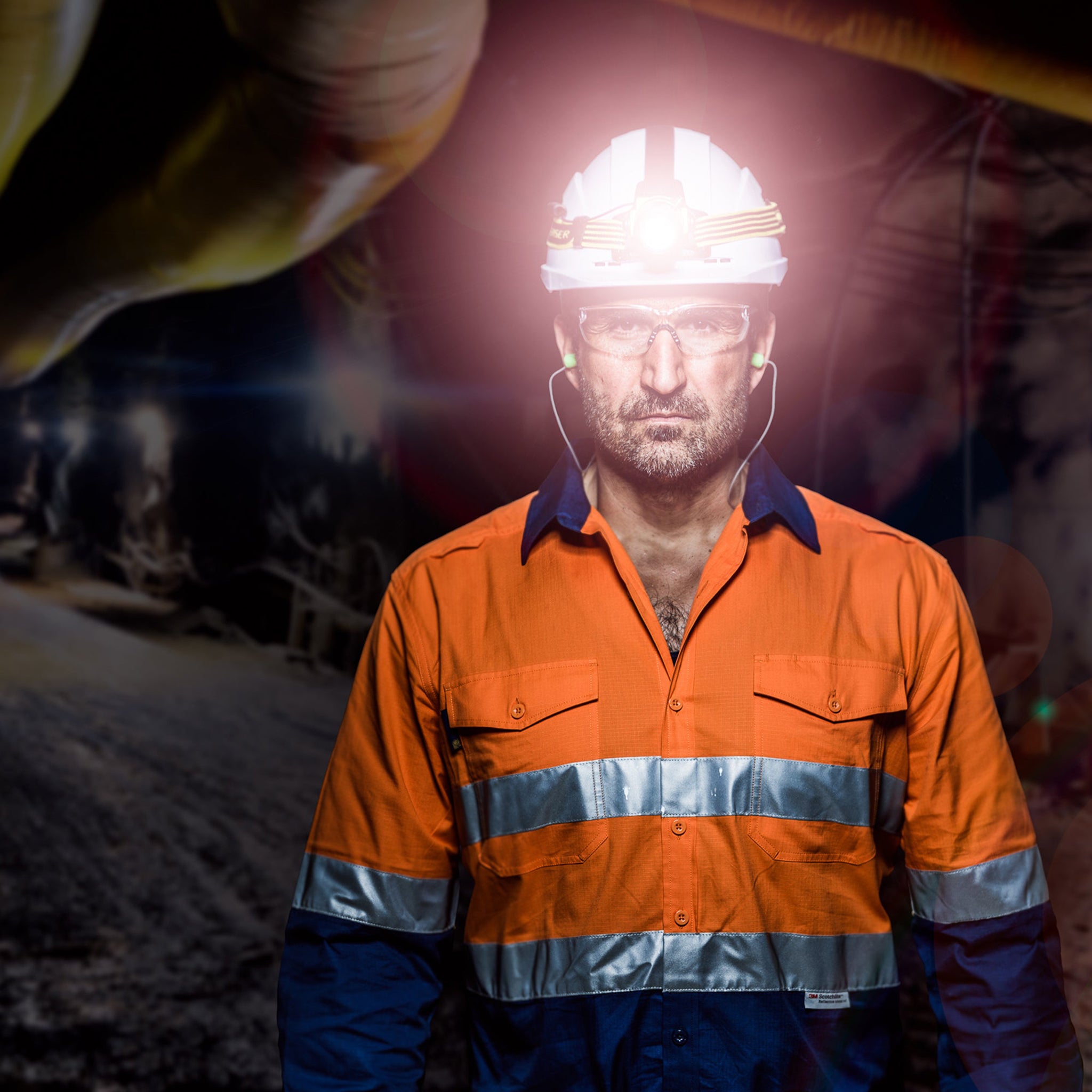
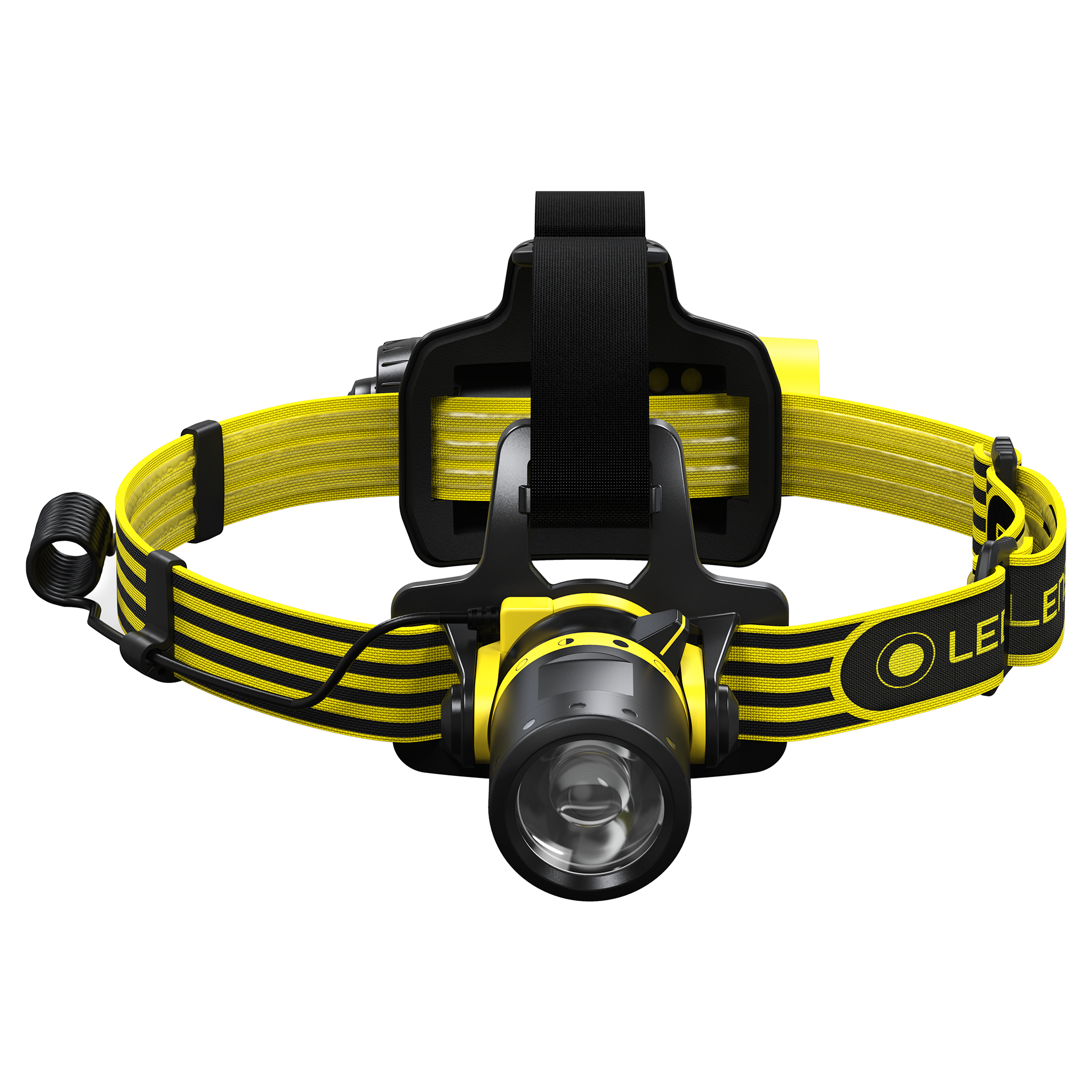
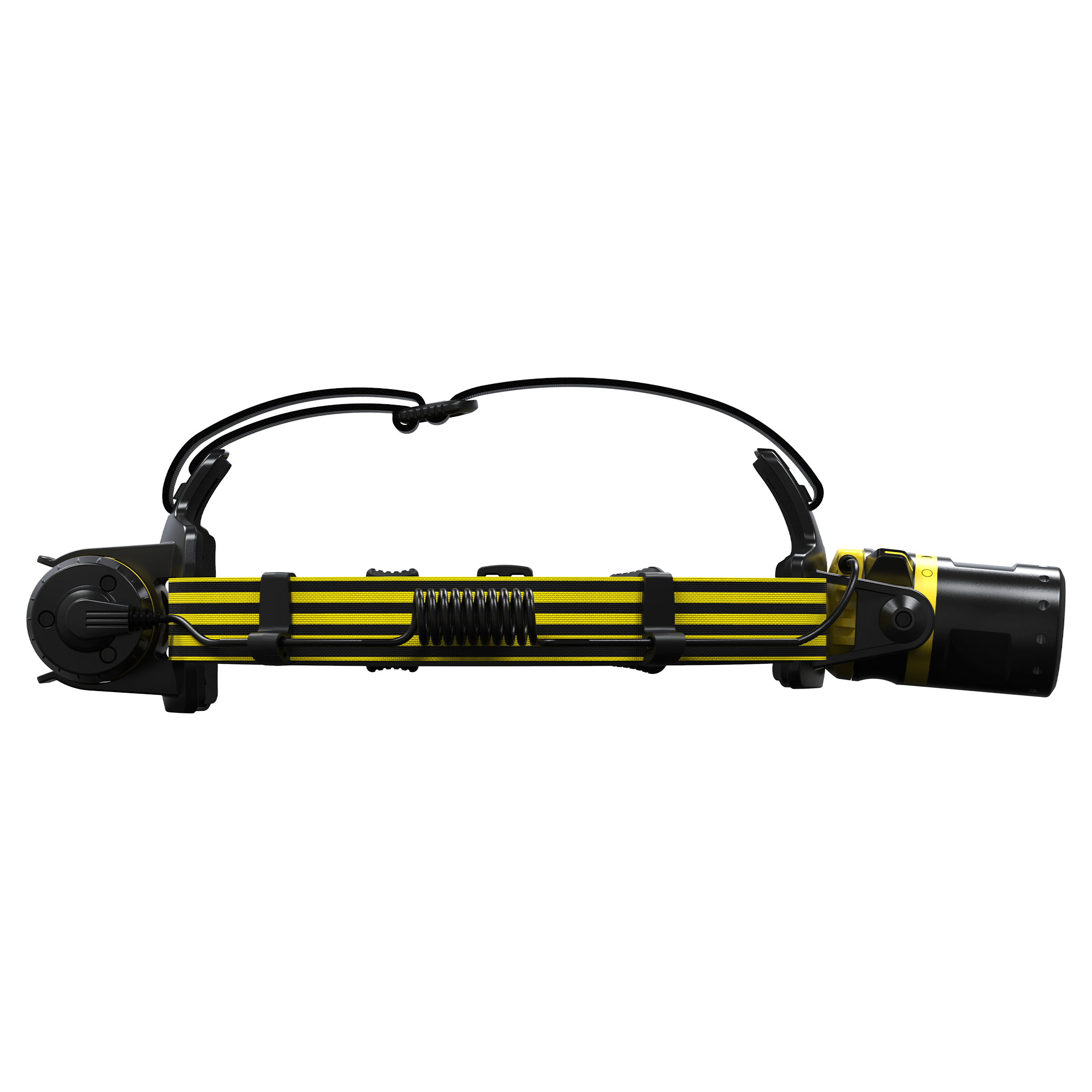
When the job depends on clear sight in low light, first responder headlamps need to do more than simply turn on. They need to deliver usable output, controlled beams and reliable runtime in a format that leaves both hands free. Ledlenser headlamps are built for exactly that kind of work. The collection combines high lumen output, precise beam control and rugged construction for emergency headlamps Australia wide, with models suited to paramedic headlamp use, firefighter headlamp Australia requirements and rescue lighting in changing conditions.
Across the range, the H-Series and HF-Series cover a wide spread of outputs and runtimes. The H-Series runs from 120 to 4,000 lumens with beam distances up to 330 metres and runtimes up to 65 hours. The HF-Series delivers 500 to 2,000 lumens with beam distances from 130 to 220 metres and runtimes up to 90 hours. That gives emergency services professionals the choice between high output for scene lighting and extended runtime for long shifts.
For buyers comparing rechargeable headlamp for first responders options, the key advantage is practical consistency. Ledlenser uses advanced optical engineering and adjustable beam focus so the light can be set for close work or wider area visibility. That matters during patient care, search tasks and scene management where a single fixed beam is often not enough.
Explore the full headlamps collection, torches or accessories.
Performance
What defines a strong first responder headlamp is not just brightness. It is how the light performs under pressure. In emergency work, lumen output must be paired with beam control, runtime and durability. A high lumen headlamp for work can help with scene assessment, vehicle incidents, search tasks and low light triage, but too much uncontrolled light can make close work harder. That is why Ledlenser’s Advanced Focus System matters. It allows the beam to move from a broad flood to a focused spot with precision, so users can adapt the light to the task.
For most emergency headlamp applications, output between 500 and 2,000 lumens will cover general response work, while higher output models are better for wide area searches and exposed environments. The H19R Core reaches 3,500 lumens with a beam distance of 300 metres and IP68 protection, which makes it a strong option for demanding rescue lighting. The H7R Core delivers 1,000 lumens, a beam distance of 250 metres and IP67 protection, which suits responders who want a versatile, rechargeable headlamp with a reliable balance of power and runtime.
Water and dust resistance also matter. A waterproof headlamp for rescue operations needs to cope with rain, mud and unpredictable conditions. IP67 and IP68 ratings mean the light is sealed against dust and protected against immersion to defined depths and times. For field teams, that translates to more confidence when the conditions are rough and the work cannot pause.
Use Cases
First responder headlamps are used in situations where a handheld light simply gets in the way. Paramedics need hands free emergency lighting for patient assessment, equipment handling and treatment in low light. Firefighters and SES volunteers need dependable illumination during structure entry, flood response and roadside incidents. Search and rescue teams rely on a search and rescue headlamp with long beam distance and runtime to support navigation and victim location in remote areas. Police and security personnel often need a tactical headlamp Australia option that is easy to deploy, comfortable to wear and durable enough for repeat use.
For paramedics, the H7R Core is a practical choice because it offers focused performance in a compact rechargeable format. For broader and more demanding rescue work, the H19R Core provides more output and stronger environmental protection. If your team needs a premium rechargeable headlamp with extended runtime, the HF-Series is worth close attention. It is built for longer shifts where reliable illumination matters more than chasing the highest lumen number.
For organisations comparing options across roles, the Ledlenser range is flexible enough to support multiple tasks from one supplier. A single procurement may include headlamps for frontline response, torches for backup and a work light like the W7R Work Light for vehicle checks, inspection tasks and temporary task lighting. That makes it easier to standardise equipment across teams without compromising on performance.
Battery & Charging
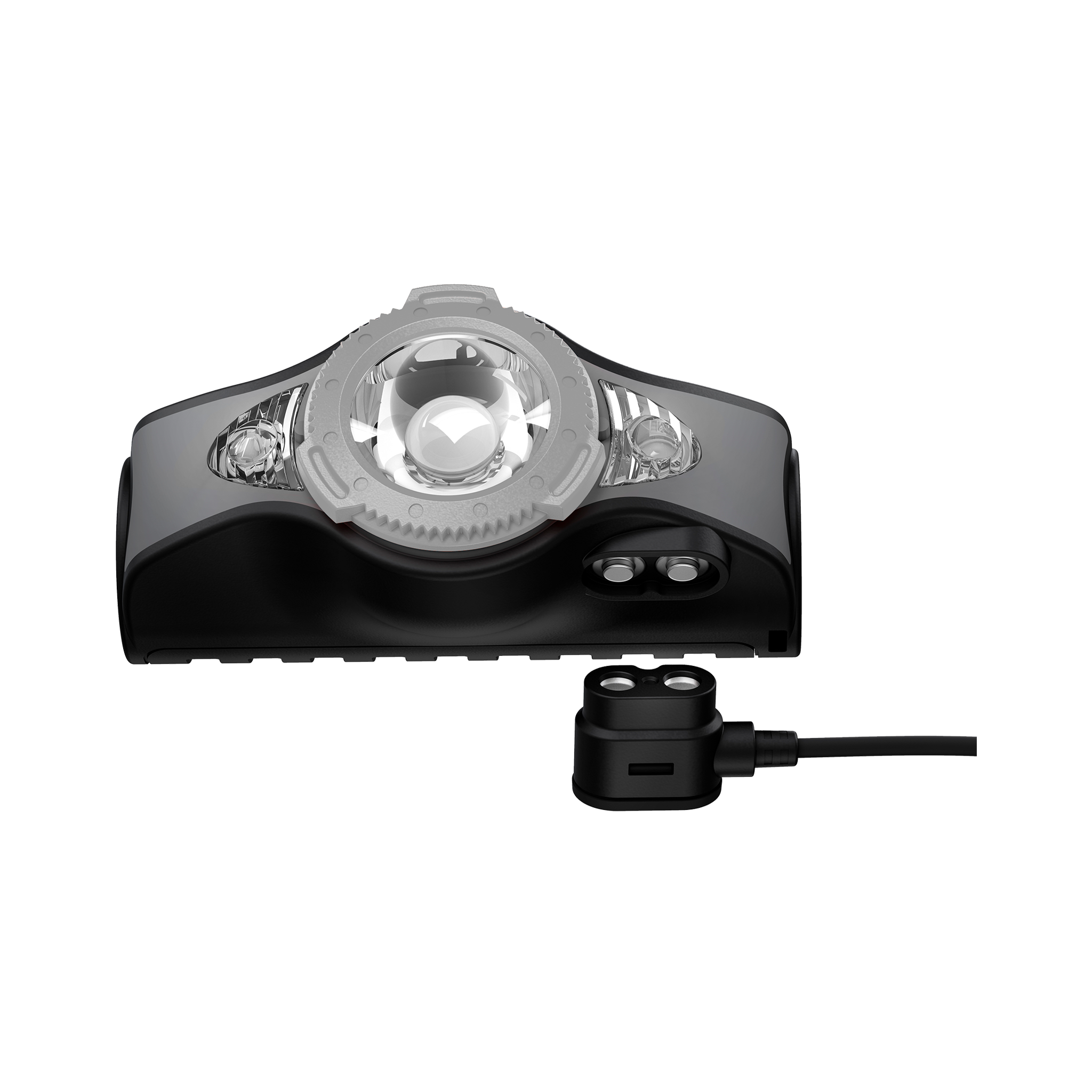
A rechargeable headlamp for emergency services needs to be easy to charge, quick to redeploy and dependable across long shifts. Ledlenser rechargeable models are designed with practical charging systems that suit daily professional use. USB-C charging is available across key models, which keeps charging simple and compatible with common power setups. Some Ledlenser products also use magnetic charging or replaceable battery cells, which can support longer service life and easier battery management depending on the model.
Runtime is one of the most important factors for shift work. The HF-Series delivers up to 90 hours runtime, which makes it a strong option for teams who need steady performance over long periods. The H-Series offers runtimes up to 65 hours, giving users a useful range of options from short tactical tasks to full shift use. For first responders, that means less interruption and fewer battery concerns when every minute matters.
When choosing the right model, it helps to consider your typical use pattern. If the light is part of daily uniform kit, rechargeability and runtime become a priority. If the light is held as backup equipment, a battery operated model may still be suitable. For most emergency services professionals, rechargeable headlamp options offer the best balance of convenience and operational readiness. You can also pair your setup with charging accessories to keep equipment ready between deployments.
Design & Build
Ledlenser headlamps are engineered in Germany with a clear focus on durability, comfort and beam performance. That matters in emergency work because the light needs to stay secure, remain comfortable over long wear times and perform reliably in difficult conditions. The design approach is practical rather than decorative. Every detail is aimed at making the product easier to use under pressure.
A strong first responder headlamp also needs to fit properly. Weight distribution, strap stability and easy controls all affect how the light performs during a long callout or a full shift. Ledlenser headlamps are built to stay in place and remain usable with gloved hands, which is important for emergency services professionals and industrial users alike. IP ratings add another layer of confidence. Models such as the H7R Core with IP67 and H19R Core with IP68 are built for dust and water resistance in demanding environments.
The 7 year warranty also reflects Ledlenser’s focus on longevity. For professional users, that is not just a reassurance. It is a sign that the product is designed for sustained use. If you are comparing a professional headlamp rechargeable option for a team, that level of warranty support is valuable. It also aligns with the practical side of procurement where durability and service life matter as much as initial output.
Buying Guide / Tips
Choosing the right first responder headlamp starts with the job. If your work is close range and hands on, focus on comfort, beam control and moderate output. If you need to cover larger scenes or remote ground, look for higher lumen output and longer beam distance.
- Output
- Runtime
- Weather resistance
- Charging method
If you want a balanced option for ambulance work, general response and shift use, the H7R Core is a strong starting point. If you need more output and higher protection for rescue or field use, the H19R Core is better suited. If runtime is the main priority, the HF-Series gives you a premium rechargeable range with up to 90 hours of operation. For organisations standardising emergency headlamps Australia wide, that spread makes it easier to match the light to the role.
It is also worth looking at the broader kit. A headlamp gives you hands free visibility, but a compact torch can still be useful for backup or longer reach. See the full torches collection if your team needs a handheld option as well. For charging and support items, the accessories collection is a practical place to start. With free shipping over $149 and a 7 year warranty, Ledlenser makes it straightforward to equip a team with lighting that is built for real work.
FAQ
What headlamp do first responders use?
First responders usually need a headlamp that is rechargeable, durable, IP rated and easy to use with gloves. Models in the Ledlenser H-Series and HF-Series suit these needs well because they combine strong output, beam control and long runtime. The H7R Core and H19R Core are practical examples for emergency services work where reliable hands free lighting matters.
How many lumens does a first responder headlamp need?
It depends on the task. For close work like patient assessment, 500 to 1,000 lumens is often enough. For scene lighting, search work or outdoor rescue, higher output is useful. Ledlenser headlamps range from 120 to 4,000 lumens in the H-Series and 500 to 2,000 lumens in the HF-Series, so there are options for different roles and environments.
Are Ledlenser headlamps waterproof?
Many Ledlenser headlamps are water resistant to defined IP standards. For example, the H7R Core is IP67 rated and the H19R Core is IP68 rated. That means they are built for dust protection and strong water resistance, which is important for rescue work, wet weather and outdoor emergency use.
What is the best rechargeable headlamp for emergency services?
The best choice depends on the role. For long runtime, the HF-Series is a strong option with up to 90 hours runtime. For higher output and stronger protection, the H19R Core is a solid option at 3,500 lumens with IP68 protection. For many emergency services users, the H7R Core offers a practical balance of output, runtime and portability.
How long does a Ledlenser headlamp battery last on a shift?
Runtime varies by model and output setting. Some Ledlenser headlamps offer up to 65 hours in the H-Series and up to 90 hours in the HF-Series. In real use, runtime depends on brightness level, beam pattern and conditions. For shift work, rechargeability is a major advantage because it keeps the light ready for the next callout.
Can paramedics use a headlamp with red light mode?
Some headlamps include additional light functions depending on the model, but features vary across the Ledlenser range. For paramedics, the key factors are still output, comfort, beam control and runtime. If red light or other specialised modes are important, check the individual product specifications before choosing a model.
What IP rating do I need for a professional headlamp?
For professional emergency use, IP67 or IP68 are strong ratings to look for. IP67 means the light is dust tight and can handle temporary immersion. IP68 offers an even higher level of water protection depending on the model specification. For responders working in wet, dirty or unpredictable environments, these ratings help improve confidence in the gear.